Milford Sound / Piopiotahi
Milford Sound carries two names on official maps, and the older one is the more interesting. Piopiotahi means a single piopio, a bird that no longer exists, and the story attached to it is about the moment humans were denied immortality. The pounamu trade explains why Māori came here long before any European ship did.
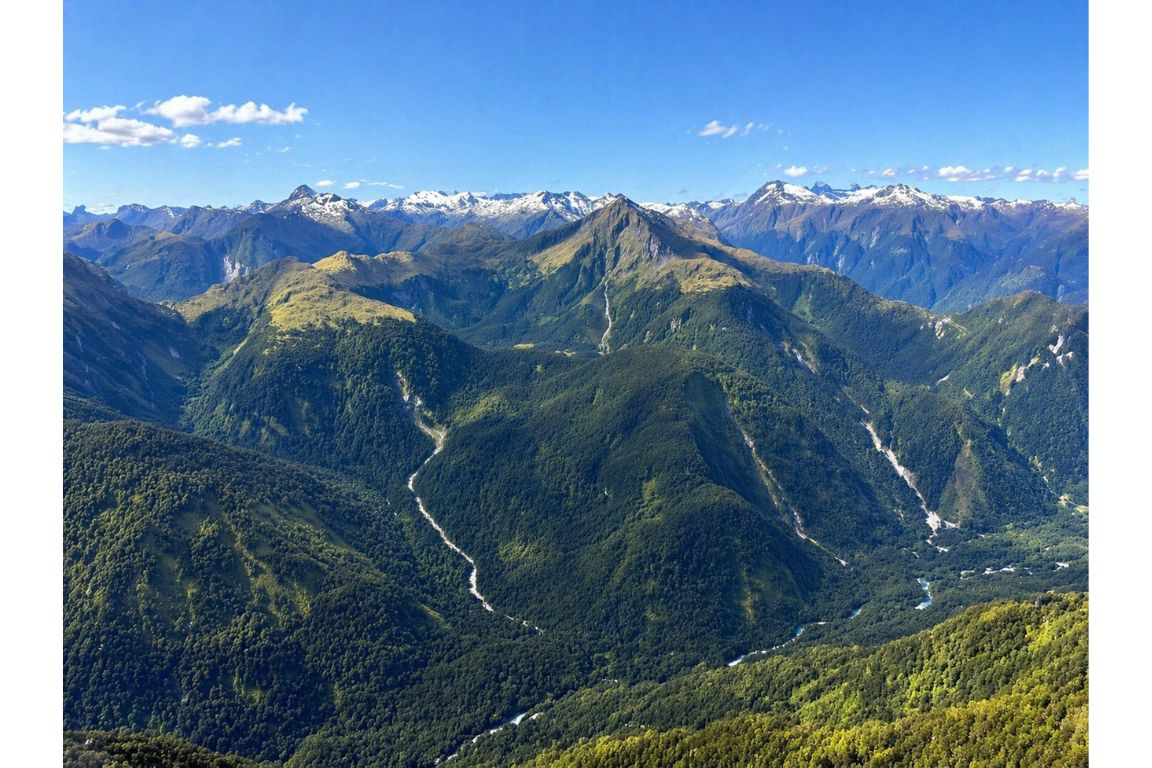
Piopiotahi is the Māori name for Milford Sound and translates as a single piopio, referring to a native thrush that is now extinct. The official name of the fiord is the dual form Milford Sound / Piopiotahi, recognised in New Zealand law, and both halves are correct.
Turn that deeper understanding of Piopiotahi into a visit with enough guiding, walking or time on the water to notice more than the scenery.
Your Milford Plan
- Choose the Te Anau guided day if you want Milford Road stops, nature walks and a small-vessel cruise together.
- Choose the 105-minute boutique cruise if you already have transport to Milford Sound and want a compact visit.
- Ask the operator directly how far commentary goes into Piopiotahi, pounamu and Ngāi Tahu, because that depth is not the same on every trip.
Dual names are common across the South Island, where Ngāi Tahu, the iwi holding mana whenua over most of the island, negotiated formal recognition of original place names. The dual form is not decoration. It is the legal name of the place.
What Does Piopiotahi Mean?
It means one piopio. The piopio was a native thrush, once widespread across New Zealand and now extinct, and the name marks a single bird arriving here in mourning after the death of Māui, the demigod who tried and failed to win immortality for humankind.
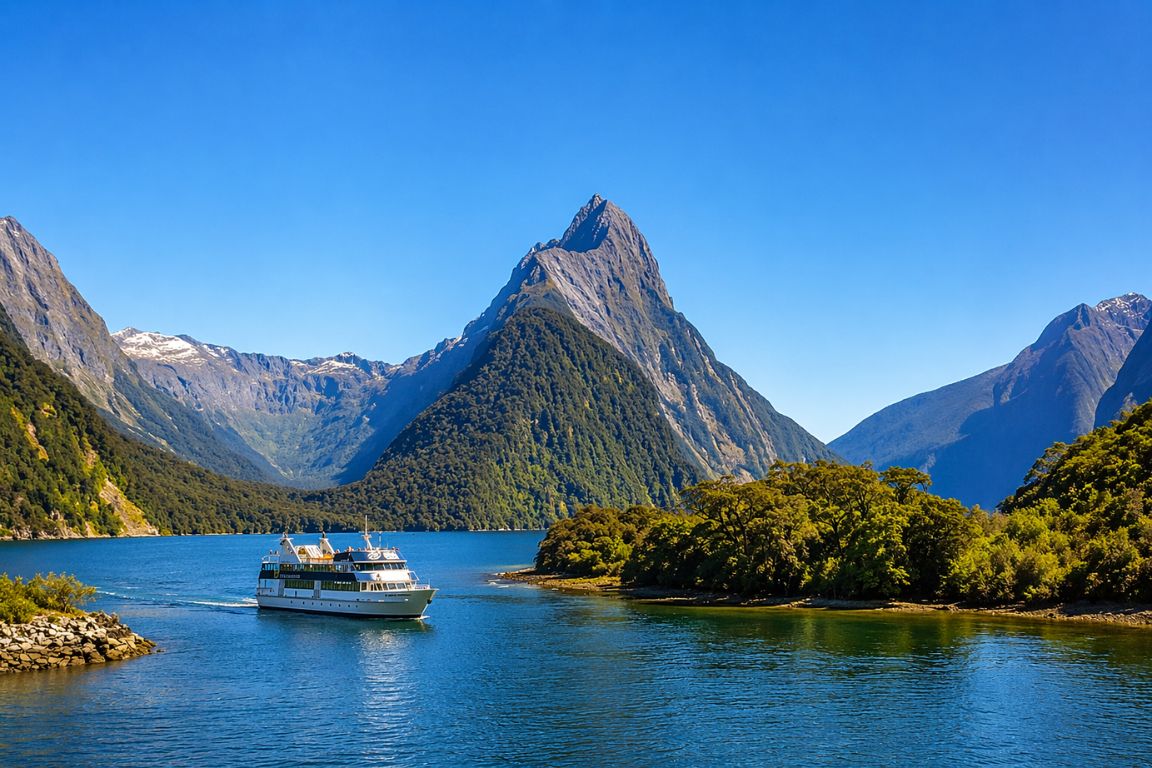
The story is one of the best known in Māori tradition. Māui attempted to reverse death by entering the body of Hine-nui-te-pō, the goddess of night, and was killed in the attempt. In the tradition attached to this fiord, a piopio flew here grieving, and the place carries the memory of that single bird.
The layer that gives the name its weight is that the bird itself is gone. The piopio was last reliably recorded more than a century ago. A name meaning one piopio now refers to a species with none left, which is a coincidence of history rather than intent, and it is not lost on people who know the story.
Why Does The Fiord Have Two Names?
Piopiotahi is the original Māori name. Milford Sound was applied in the 1800s by the Welsh sealer John Grono, who named it after Milford Haven in Pembrokeshire. The dual name recognises both, and it became official through the Ngāi Tahu settlement process in the late 1990s.
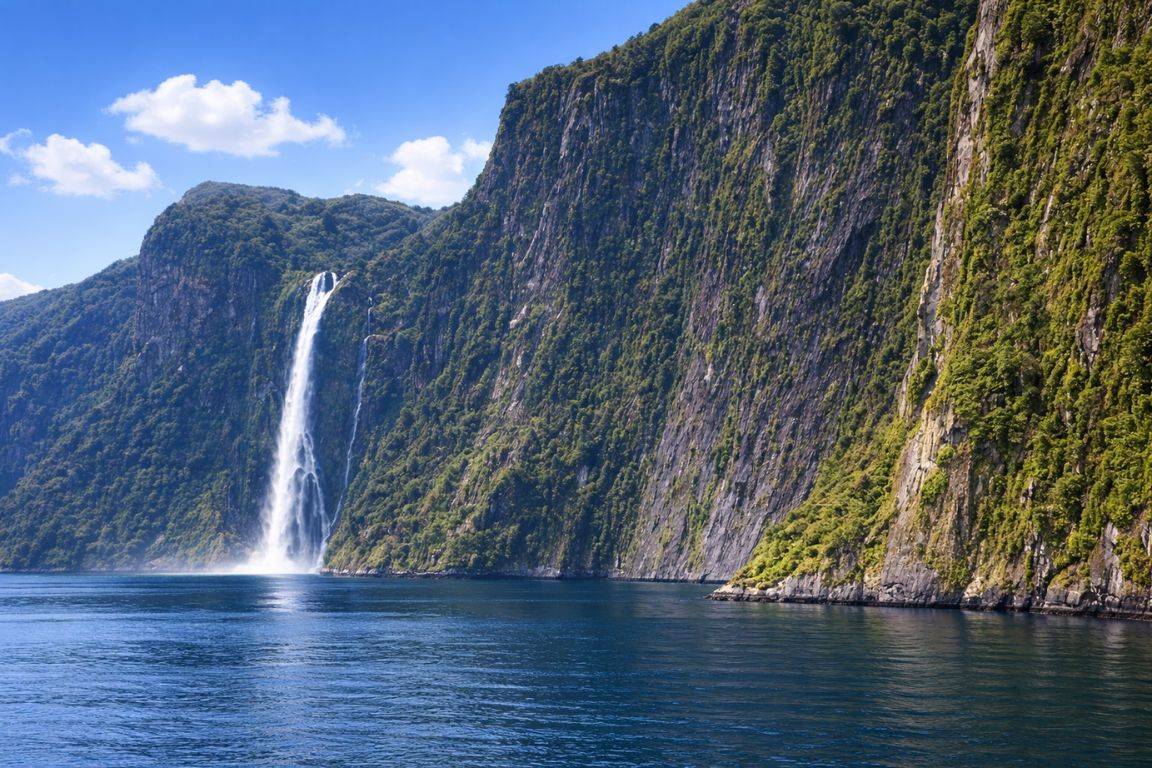
Grono was working the Fiordland coast for seals when he entered the fiord, and the name he chose reflected a harbour he knew at home. That is the whole origin. There is no deeper connection between Wales and Fiordland than one sealer's memory of a safe anchorage.
The dual naming is applied consistently across the region. Aoraki / Mount Cook follows the same pattern, and so do many lakes and peaks. Where you see a slash on a New Zealand map, it usually marks this kind of settlement.
| Name | Origin | Meaning |
|---|---|---|
| Piopiotahi | Māori, long predating European contact | A single piopio, a now-extinct native thrush |
| Milford Sound | Named by the sealer John Grono in the 1800s | After Milford Haven in Wales |
| Te Wahipounamu | Māori, the wider World Heritage Area | The place of greenstone |
Why Did Māori Come To This Fiord?
For pounamu, the greenstone that gave the whole region its name. A variety found near the mouth of the fiord was valued highly, and Māori made seasonal journeys here to collect it, working routes over the mountains that later became the basis for the Milford Track.
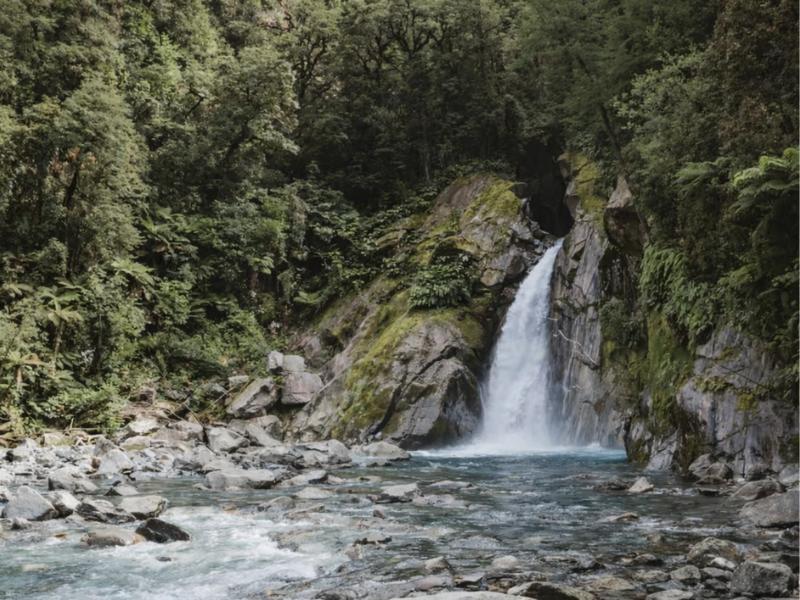
Pounamu was the most valuable material in pre-European New Zealand, used for tools, weapons and ornaments, and traded the length of the country. Te Wahipounamu, the name of the World Heritage Area that contains Fiordland, translates as the place of greenstone for exactly this reason.
This reframes the fiord's history usefully. Milford Sound was not discovered in the 1800s. It was a known destination reached by demanding overland routes, visited for a specific resource, long before any ship arrived. The trails that got people here were later reworked for a different purpose.
How Is The Name Pronounced?
Roughly pee-oh-pee-oh-tah-hee, with every vowel sounded and even stress across the word. Māori vowels are consistent: a as in car, e as in egg, i as in machine, o as in port, u as in flute.
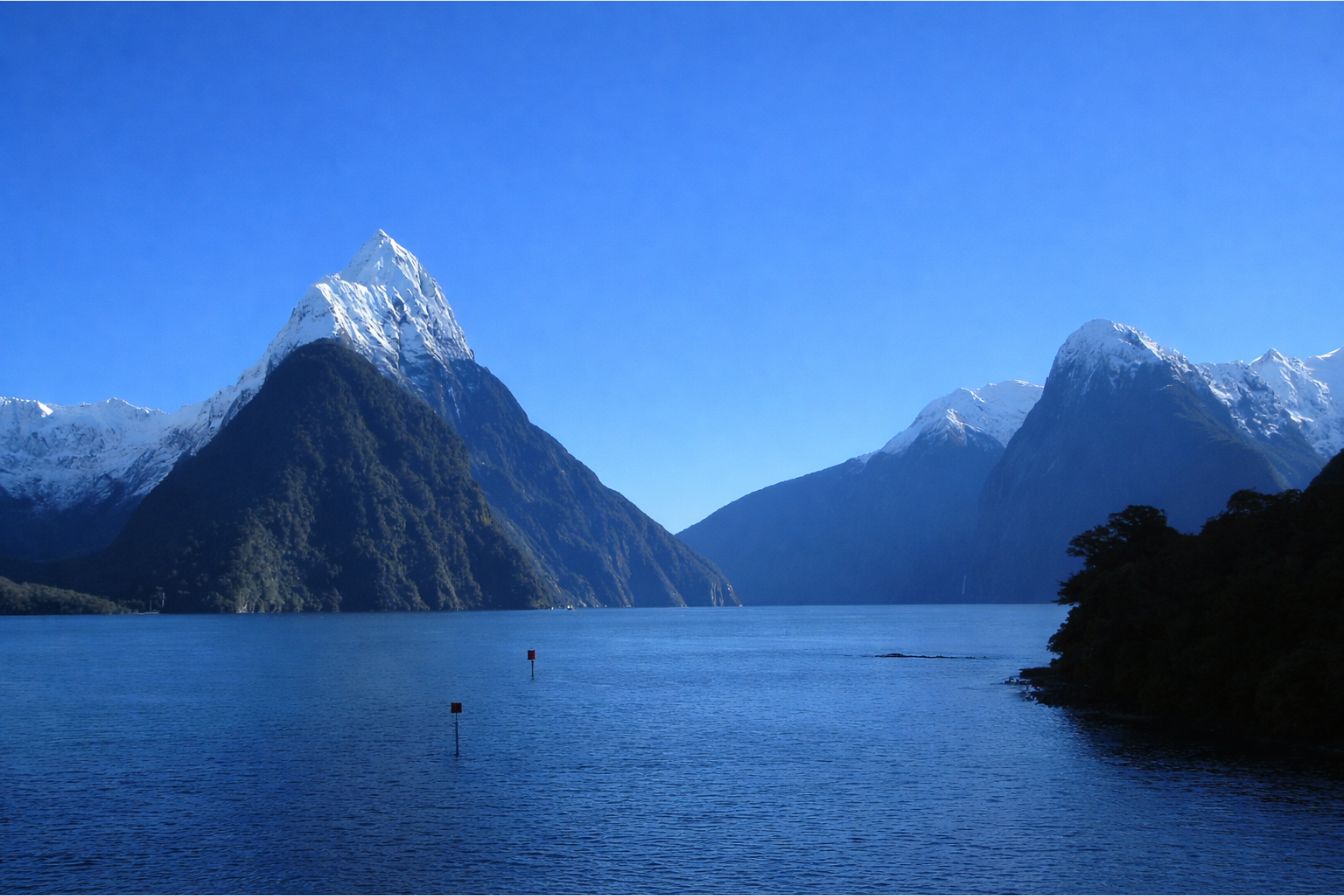
The common mistake is compressing it into three syllables. It has six, and each vowel gets its full value. Getting it approximately right is appreciated and easy, because Māori pronunciation is regular in a way English is not.
Do Local Operators Use The Māori Name?
Increasingly, yes. Signage, official documents and Department of Conservation material commonly use the dual form. Commercial operators vary, though many now open with a mihi or acknowledgement and use Piopiotahi alongside the English name during commentary.
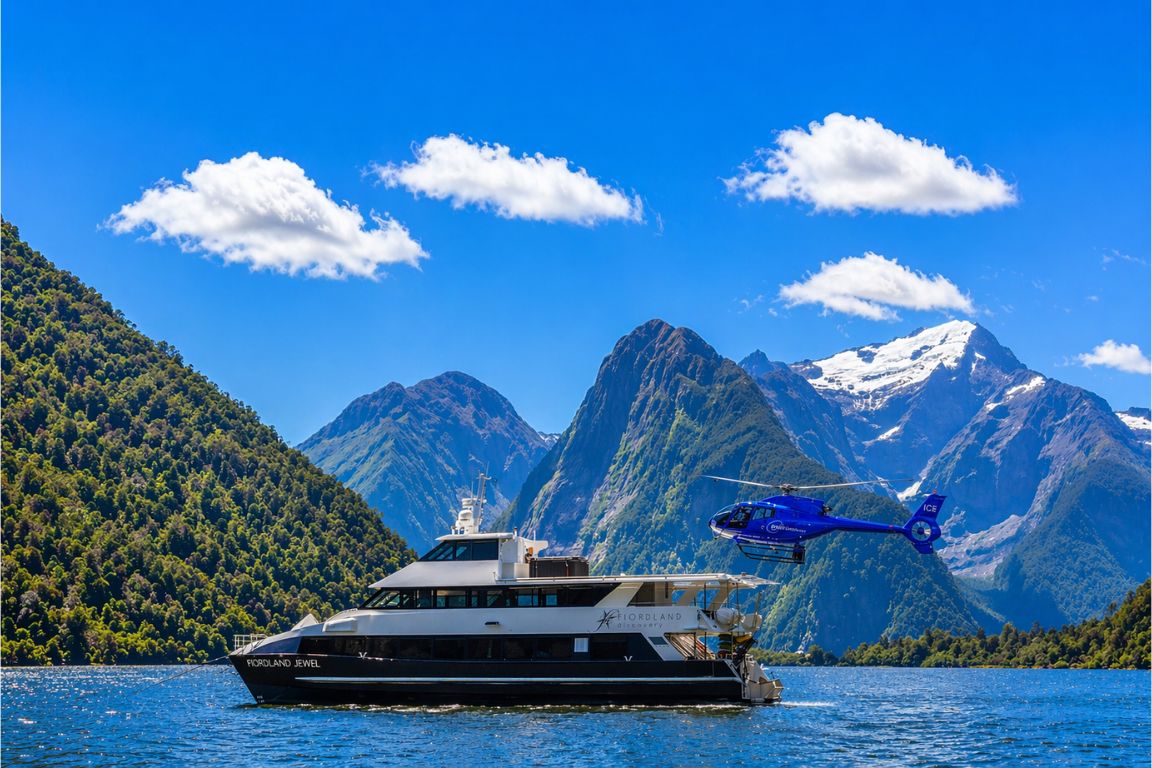
Guides on nature-focused cruises tend to go further, covering the pounamu history and the traditions attached to specific features. That commentary is one of the practical differences between a cruise with a dedicated nature guide and one where the skipper narrates over a public address system.
What Other Māori Names Will You Hear?
Te Wahipounamu for the World Heritage Area, Aoraki for Mount Cook to the northeast, and a range of feature names within Fiordland itself. Mitre Peak is an English descriptive name, from its resemblance to a bishop's headwear, and it is also known as Rahotu.
Learning two or three of these changes how the landscape reads. English names here are mostly descriptive or commemorative, applied by surveyors and sailors. Māori names tend to carry a story, a resource or an event, which is a different kind of information about the same place.
| Feature | English name | Māori name |
|---|---|---|
| The fiord | Milford Sound | Piopiotahi |
| The World Heritage Area | South West New Zealand | Te Wahipounamu |
| The peak at the fiord | Mitre Peak | Rahotu |
| The neighbouring fiord | Doubtful Sound | Patea |
Does Any Of This Change How You Should Visit?
It changes what you notice rather than what you do. Knowing that the route to the fiord was walked for pounamu, and that the name commemorates a bird that no longer exists, gives the cruise a second layer beyond the scenery.
It also sets expectations for the commentary. Operators with a genuine cultural component say so, and if that matters to you it is worth checking before booking rather than hoping. Nature cruises and small-group trips are more likely to include it than large scenic vessels running to a tight schedule.
Is Fiordland Spelled With An I Or A J?
With an i, in New Zealand. Fiordland, the fiords, the region. The Norwegian spelling fjord is more familiar internationally, but New Zealand settled on the anglicised form and uses it consistently in official names.
The landform is identical to a Norwegian fjord: a glacially carved valley flooded by the sea. Only the spelling differs. If you are searching for information about the region, both spellings will find it, but local sources will use the i.
Who Are Ngāi Tahu?
Ngāi Tahu are the iwi holding mana whenua over most of the South Island, including Fiordland. Their 1998 settlement with the Crown restored a set of place names to their original or dual form, which is how Milford Sound / Piopiotahi became the fiord's legal name.
The settlement covered far more than naming, but the names are the part visitors encounter directly. Every slashed name you see on a South Island map or road sign traces back to it, and they are not alternatives offered for flavour. Both halves are official.
Ngāi Tahu also hold a formal role in how the region is managed and have commercial interests across South Island tourism. Some of the operators working in Fiordland have iwi ownership or partnership behind them, which is worth knowing if supporting that matters to your booking.
What Is Takiwai And Why Was This Fiord Valuable?
Takiwai is a translucent variety of pounamu found near the entrance to the fiord. It was prized for ornaments rather than tools, and collecting it was the reason Māori made the demanding journey here long before any European ship arrived.
Pounamu was the most valuable material in pre-European New Zealand. It held an edge, it lasted, and it carried status, so it moved along trading routes the length of both islands. A source of a rare variety justified an expedition over the mountains on foot.
This reframes the Milford Track. The route did not begin as a scenic walk. It follows the logic of people crossing a range for a specific resource, and the modern track was later cut along corridors that had been used for exactly that purpose.
| Term | What it refers to |
|---|---|
| Pounamu | Greenstone or nephrite jade, the most valued material in pre-European New Zealand |
| Takiwai | A translucent variety found near the mouth of the fiord, used for ornaments |
| Te Wahipounamu | The place of greenstone, the World Heritage Area containing Fiordland |
| Mana whenua | Authority and customary rights over a territory |
How Did People Reach The Fiord Before The Road?
On foot over the passes, or by sea. There was no road until the Homer Tunnel was driven through the rock in the twentieth century, so for most of the fiord's human history arriving meant either a long overland crossing or a boat up an exposed coast.
Both routes were serious undertakings. The overland crossings ran through the same country the Great Walks now follow, without tracks, bridges or huts. The sea approach meant working one of the more dangerous coastlines in the region.
Knowing that changes how the drive reads. What is now a two-hour trip from Te Anau, complete with roadside stops and a coffee, represents a journey that used to cost days and real risk.
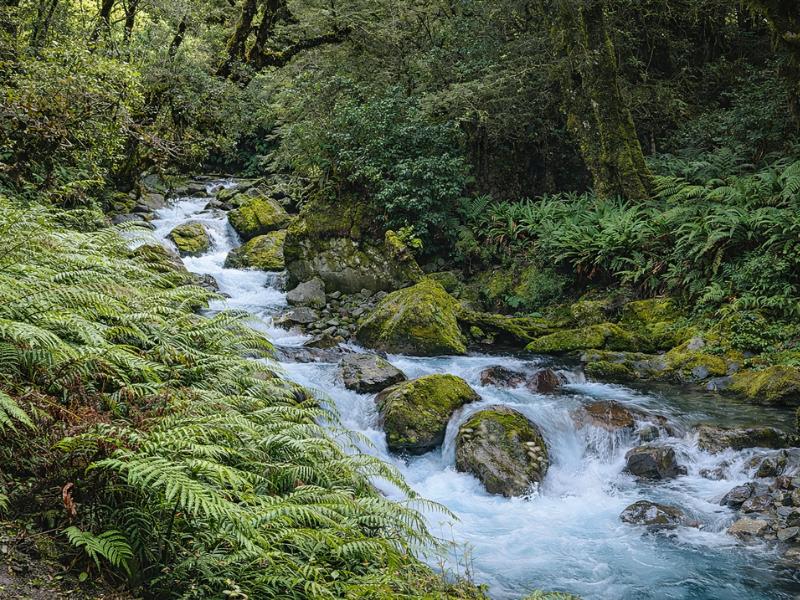
Today's Te Anau drive replaces a crossing that once took days. The nine-hour small-group day includes Te Anau pickup, Milford Road nature walks, picnic lunch and a small-vessel cruise.
Scheduled dates load here. Confirm availability and final price on Viator.
Viator scheduled departures, not confirmed inventory for your party. Select the same date on Viator to confirm availability and final price.
This recommendation does not fit your selected itinerary. Adjust your choices at the end to see other options.
Why Does An Extinct Bird Matter To The Name?
Because it turns the name into a record. Piopiotahi means one piopio, and the piopio is gone: a native thrush once found across the country, last reliably recorded more than a century ago. The name now refers to a species with none left.
Fiordland is where several of those stories went differently. The park is remote and steep enough to have kept species that vanished from easier country, and it produced one of the most striking rediscoveries in conservation history when takahē, a large flightless bird believed extinct, were found in the Murchison Mountains inside this park in 1948.
That contrast is the useful thing to carry onto a cruise. The isolation that made this fiord hard to reach, and that made a journey here worth days of effort, is the same isolation that let birds survive here which did not survive anywhere else. The name commemorates one that did not make it.
None of which asks for solemnity from a visitor. It means the place has a longer memory than the tourism around it suggests, and knowing a little of it makes two hours on the water read differently.
What Other Names In Fiordland Carry Meaning?
Most of them. English names here are mainly descriptive or commemorative, applied by surveyors and sailors in the 1800s. Māori names generally record a resource, an event or a tradition, which is a different kind of information about the same rock and water.
| Place | Name origin | What it tells you |
|---|---|---|
| Piopiotahi | Māori | A single piopio, tied to the death of Māui |
| Te Wahipounamu | Māori | The place of greenstone: a resource, not a description |
| Patea (Doubtful Sound) | Māori | The neighbouring fiord's own name |
| Mitre Peak | English, descriptive | Resembles a bishop's mitre; also known as Rahotu |
| Doubtful Sound | English, navigational | Cook thought entry doubtful under sail, and did not enter |
| The Chasm | English, descriptive | Exactly what it is |
Doubtful Sound is the most quietly revealing of these. Cook named it from offshore because he was unsure he could sail back out against the wind, so the name records a decision not to enter rather than anything about the place itself. That is how a lot of this coastline got labelled.
What Was The Greenstone Trail Actually Like?
A serious mountain crossing on foot, made seasonally, to reach a specific resource. Parties came over the passes from the east, collected takiwai near the fiord entrance, and carried it back. There were no huts, no bridges and no track in the modern sense.
The scale of that effort is the part worth sitting with. Pounamu was worked into adzes, weapons and ornaments and traded the length of the country, so a journey of days through Fiordland weather for a load of stone was economically rational rather than ceremonial.
The modern Milford Track follows corridors that make sense for the same reason they made sense then: they are the routes the terrain allows. Walking it is not retracing a specific historic path, but it is moving through the same passes for far less reason.
How Does Ngāi Tahu Involvement Show Up Today?
In the dual names on every official map and sign, in co-management arrangements for conservation land, in ownership of pounamu across the South Island, and in tourism businesses with iwi ownership or partnership. It is present rather than historical.
For a visitor the most visible parts are the names and the commentary. Operators with a genuine cultural component tend to say so, and guides on nature-focused trips often open with an acknowledgement and work the traditions into the narration rather than treating them as a preamble.
The pounamu point has a practical edge worth repeating: greenstone in the South Island is owned by Ngāi Tahu under the settlement legislation. Picking up a promising green stone at a river mouth and taking it home is not a grey area.
Why Do Some Maps Show Only One Name?
Because dual naming is recent in cartographic terms and international map data lags. New Zealand's official register carries the dual form; foreign mapping services, older signage and most overseas guidebooks still default to Milford Sound alone.
Both halves are correct and neither is a translation of the other. Using Milford Sound in conversation is not a faux pas, and using Piopiotahi is not an affectation. Official documents and Department of Conservation material increasingly use both.
Is There Anything Visitors Should Know About Respect?
Nothing burdensome. Do not remove pounamu or any natural material, follow the guidance at any site identified as culturally significant, and treat the commentary as information rather than performance. Ordinary courtesy covers the rest.
The one thing worth a moment's thought is photography of people and of marae or similar sites, where asking first is the norm. Nothing about a Milford cruise puts you in that position, but it is the standard that applies elsewhere in the country.