What Clothes Should You Pack For Milford Sound?
The single most common mistake at Milford Sound is dressing for the weather in Queenstown. Four hours away, at the head of a fiord, in the wettest inhabited region of the country, conditions are frequently nothing like the ones you left.

A genuinely waterproof jacket, warm mid-layers, closed shoes with grip and insect repellent, in every season. Milford Sound receives around seven metres of rain a year, the deck of a moving boat is colder and windier than the shore, and the spray under Stirling Falls soaks anyone standing outside.
Use the packing list to choose an itinerary that matches how long you will be outside, whether you need transport, and whether walking or paddling is included.
Your Milford Plan
- Pack a waterproof hooded shell, warm mid-layer, quick-drying trousers and closed shoes with grip.
- Carry repellent, sun protection and a waterproof phone case, with spare clothes available after wet activities.
- Choose your cruise, transport and walking plan for your actual travel date before arranging the rest of the trip.
Nothing on that list is seasonal. Summer at Milford still delivers rain, wind on the water and temperatures that drop the moment the boat moves.
Is It Cold On A Milford Sound Cruise?
Colder than the air temperature suggests. The fiord is enclosed by rock walls that block the sun for much of the day, the vessel generates its own wind, and meltwater keeps the water temperature low. Expect the deck to feel several degrees below the shore.
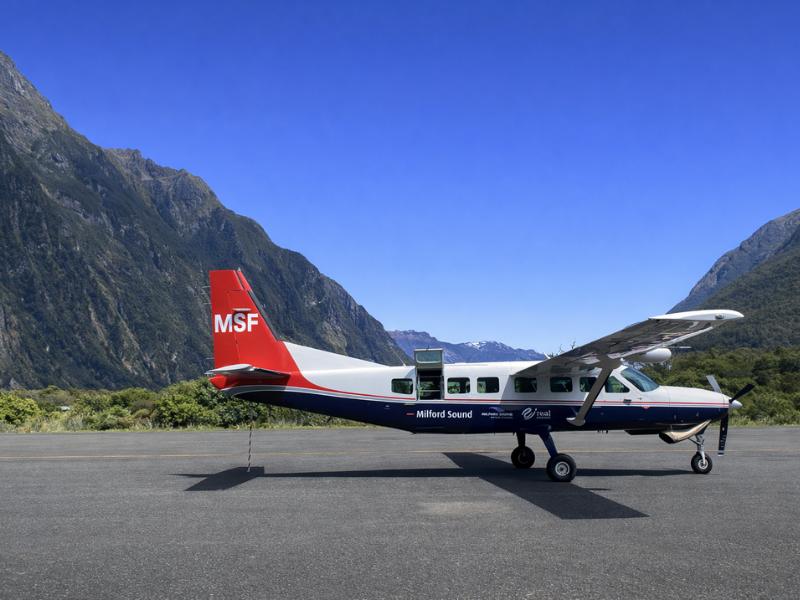
Cabins are heated and enclosed, so you can retreat. The problem is that the best parts of the trip, the falls approach and the seal haul-outs, happen outside. People who dressed for the cabin end up watching the highlights through glass.
| Season | On shore | On deck | What to bring |
|---|---|---|---|
| Summer, Dec to Feb | Mild, up to around 19°C | Cool and breezy, wet in spray | Waterproof shell, one warm layer |
| Autumn, Mar to May | Cooling, settled spells | Cold in wind | Shell, fleece, hat |
| Winter, Jun to Aug | Cold, often clear | Genuinely cold | Shell, insulation, gloves, hat |
| Spring, Sep to Nov | Variable, high water flow | Cold and wet | Full waterproofs, warm layers |
What Should You Actually Wear On The Boat?
Three layers: a synthetic or wool base, a fleece or light insulated mid-layer, and a waterproof shell with a hood. Add a hat that will not blow off and closed shoes with grip, because decks get wet and slippery.
The hood matters more than an umbrella, which is unusable in the wind on a moving boat. A shell with a hood that stays up in wind is the difference between standing outside at Stirling Falls and giving up.
Why Is Cotton The Wrong Choice?
Because it holds water and stops insulating once wet, and in Fiordland something will get wet. Jeans are the worst offender: heavy, cold and slow to dry, with a two-hour drive back afterwards.
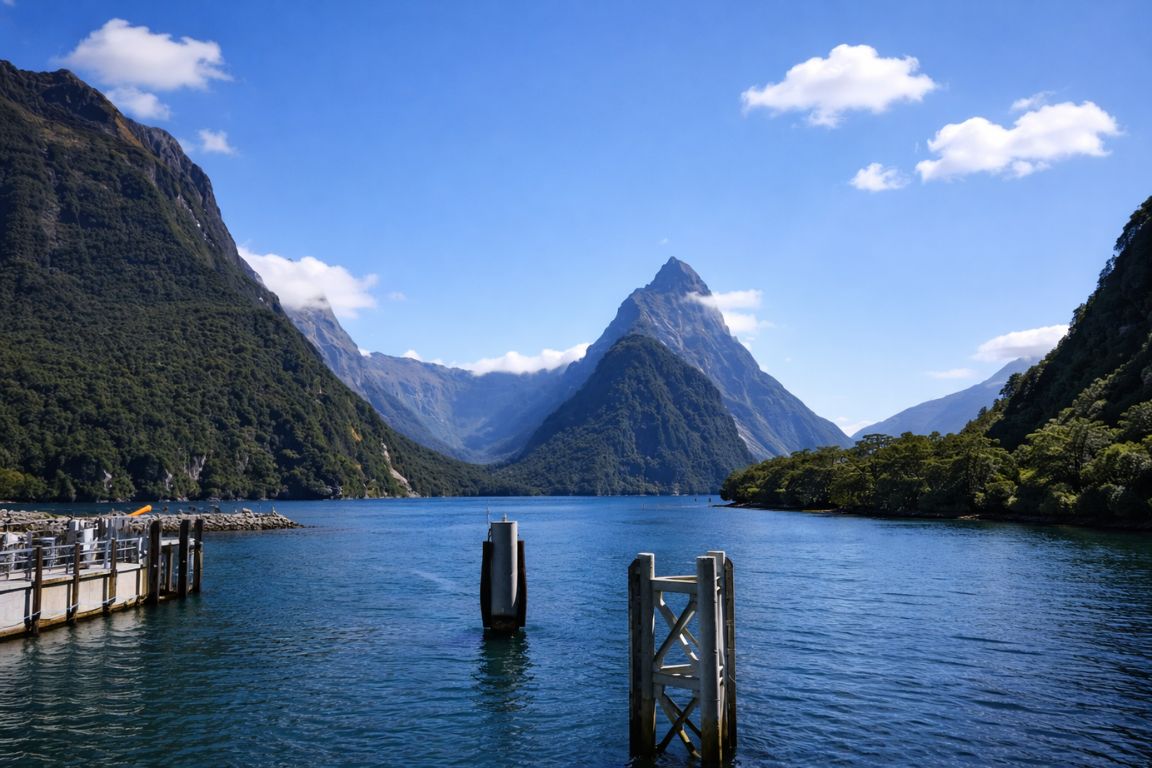
Synthetic or wool for anything against the skin, and quick-drying trousers rather than denim. This is standard outdoor advice, and Milford Sound is one of the places where it stops being theoretical.
What About Sandflies?
Bring repellent. Sandflies are a permanent feature of Fiordland, they concentrate on shore rather than on the water, and they are most active in warm, still conditions. They are a nuisance rather than a danger, but an unprepared arrival is unpleasant.
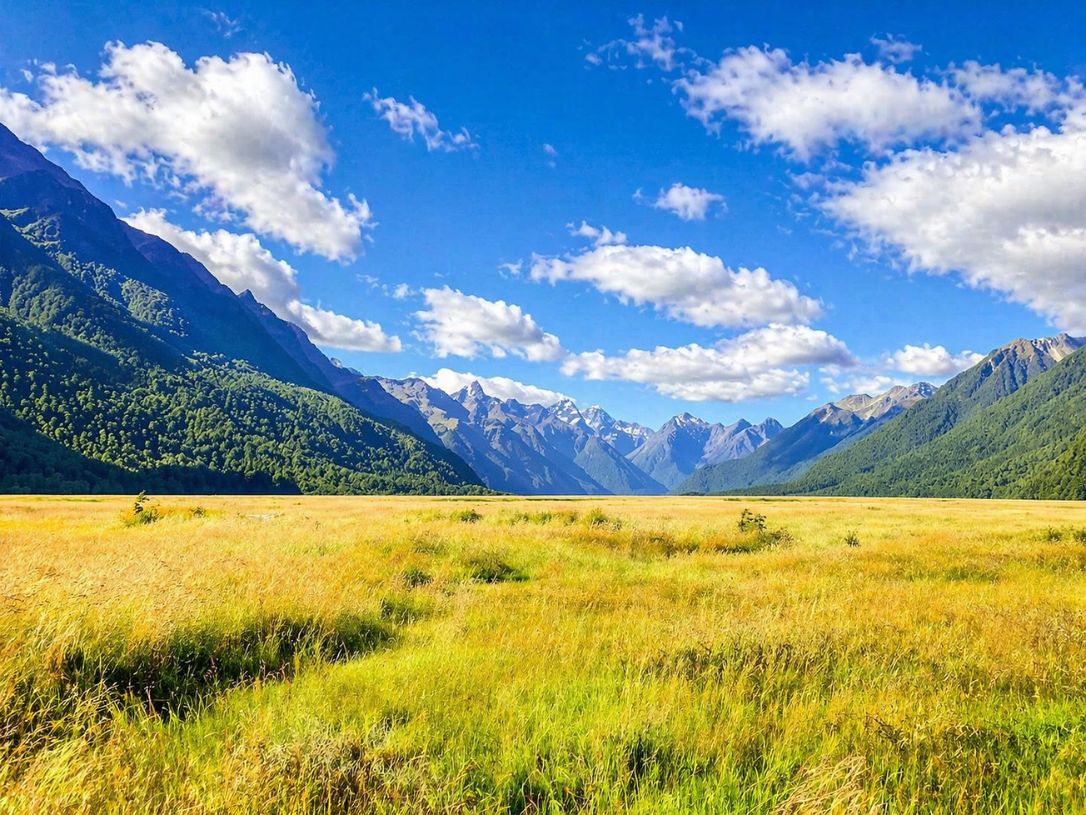
Long sleeves help as much as repellent. They are worst at the terminal, at road stops and at any beach launch point, and they lose interest once you are moving on the water.
What Else Is Worth Having?
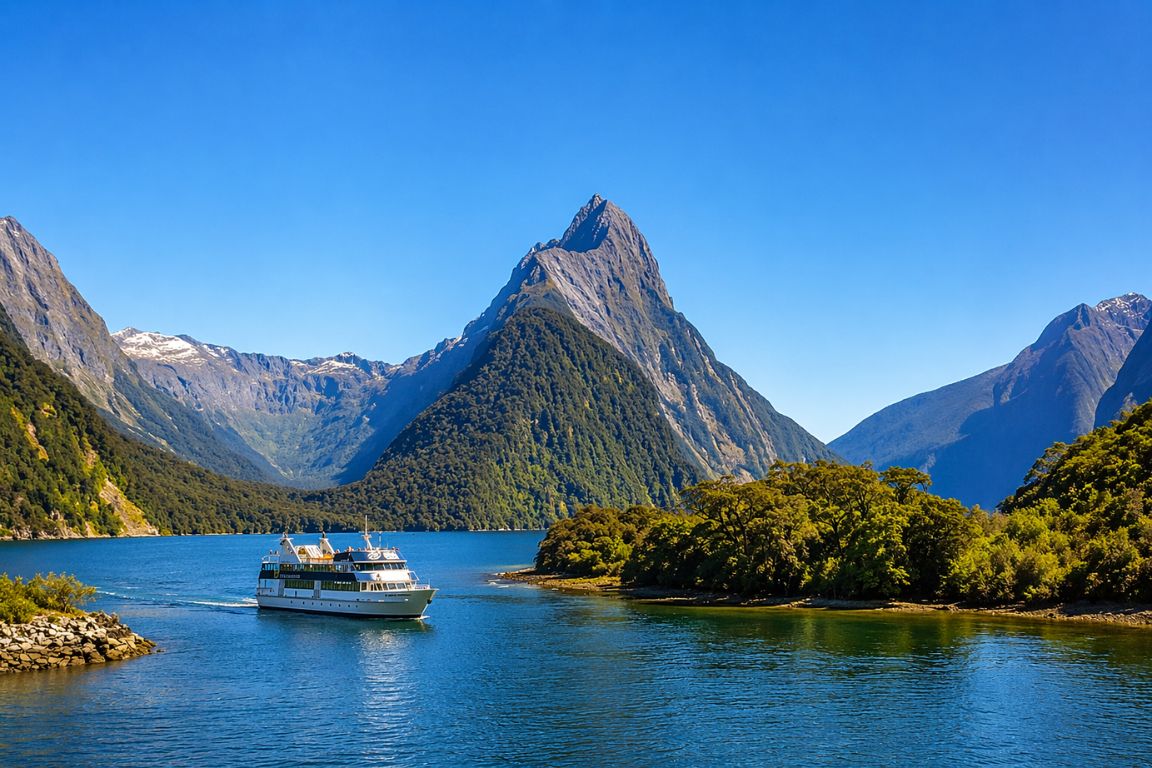
Sunglasses, sunscreen, a dry bag or waterproof phone case, motion sickness tablets if you are prone, and a change of clothes left in the car. The New Zealand sun is strong even under cloud, and glare off water and wet rock is significant.
| Item | Why |
|---|---|
| Waterproof shell with hood | Rain and waterfall spray; umbrellas do not work on deck |
| Warm mid-layer | The deck is colder than the shore in every season |
| Closed shoes with grip | Wet decks, and short walks like The Chasm |
| Insect repellent | Sandflies at the terminal and road stops |
| Sunglasses and sunscreen | Strong glare, even in cloud |
| Dry bag or phone case | Spray reaches further than it looks |
| Spare clothes in the car | A long drive back in wet trousers is miserable |
Do You Need Different Gear For Kayaking?
The operator provides the technical kit: wetsuit or dry top, spray skirt and life jacket. What you bring is quick-drying layers to wear underneath, and a complete change of clothes for afterwards.
Leave cotton out entirely for a paddling day. Sunglasses with a retainer are worth having, because losing them over the side is a common and irreversible mistake.
What Should You Wear In Each Season?
The same three layers year-round, with the weight of the middle one changing. Summer needs a shell and one warm layer; winter needs a shell, real insulation, gloves and a hat. The waterproof outer never comes off the list.
| Season | Base | Mid | Outer | Extras |
|---|---|---|---|---|
| Summer, Dec to Feb | Synthetic or merino tee | Light fleece | Waterproof shell | Sun protection, repellent |
| Autumn, Mar to May | Long-sleeve base | Fleece | Waterproof shell | Hat |
| Winter, Jun to Aug | Thermal base | Insulated layer | Waterproof shell | Gloves, warm hat |
| Spring, Sep to Nov | Long-sleeve base | Fleece | Waterproof shell | Full waterproof trousers if walking |
What Footwear Works?
Closed shoes with grip. Decks get wet, the walk at The Chasm is on damp rock and boardwalk, and the terminal apron is exposed. Trainers are fine for a cruise day; walking shoes or light boots if you are adding any track.
What does not work is anything open-toed or smooth-soled. Sandals on a wet deck are a genuinely bad idea, and they leave your feet cold for the whole trip.
What Should You Leave Behind?
Umbrellas, jeans, and anything you would be upset to get wet. An umbrella is unusable in the wind on an open deck, jeans stay cold and wet for the rest of the day, and spray reaches further than people expect.
Large bags are also more nuisance than help on a day trip. Coaches have lockers and boats have limited space, so a small pack with layers, water and a camera covers everything you actually need on the water.
What About Kayaking Or Walking Days?
Operators provide the technical gear for kayaking, so you bring quick-drying layers to wear under it and a complete change for afterwards. For any walking, add proper footwear and treat the waterproof layer as essential rather than optional.
For the Milford Track, even a day section, the list gets stricter: waterproof jacket, spare dry socks, repellent, and no cotton anywhere. Fiordland rain is not a shower you wait out.