Kayaking In Milford Sound
A cruise shows you Milford Sound from ten metres above the water. A kayak puts you at the surface, under walls that go up a kilometre, moving slowly enough to hear the place. It is the single biggest change in perspective available in the fiord, and it needs no previous experience.
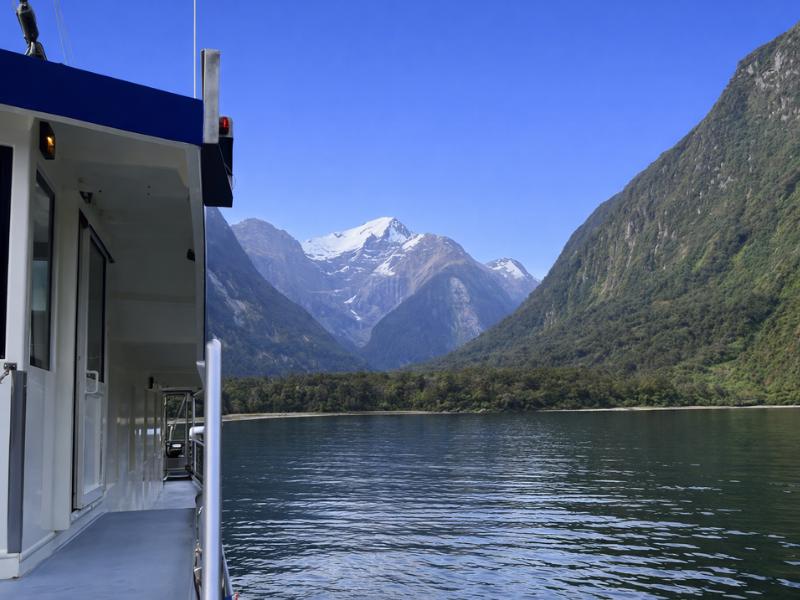
Guided kayaking in Milford Sound runs in small groups, typically ten to twenty paddlers with guides, in stable double or single sea kayaks. Trips usually last two to three hours on the water. No experience is required, and full instruction, wetsuits or dry tops and life jackets are provided.
A beginner-friendly paddle offers Milford Sound's closest perspective, and the clearest booking path here is an overnight cruise with kayaking included rather than independent hire.
Your Milford Plan
- Guided Milford paddling is designed for beginners, but independent kayak hire is not a practical option on the fiord.
- No dedicated daytime sea-kayaking trip appears among these recommendations, so the closest match is an overnight cruise with kayaking included.
- Check your actual travel date before arranging Milford transport, parking or accommodation.
The trips run year-round, weather permitting, which in Fiordland means wind rather than rain. Operators paddle in rain as a matter of course. What cancels a trip is conditions on the water, and that decision is made on the morning rather than in advance.
Do You Need Experience To Kayak In Milford Sound?
No. Guided trips are built for complete beginners. The kayaks used are stable sea kayaks rather than the tippy sprint boats people picture, doubles are available so a stronger paddler can be paired with a weaker one, and the guide sets a pace the whole group can hold.
The instruction happens on the beach before you get in, and it is short because there is not much to learn. Grip, stroke, how to steer, what to do if you need help. Within twenty minutes most groups are moving competently.
Fitness matters more than skill, and only modestly. Two to three hours of gentle paddling with breaks is within reach of most reasonably active adults. Shoulders complain more than arms. If you have a back or shoulder problem, mention it when booking rather than on the beach.
What Do You Actually See From A Kayak?
The scale, properly. From a kayak the walls read at their true height because you have nothing to compare them to except your own boat. You also get closer to the shoreline, the seal haul-outs and the smaller waterfalls than any cruise vessel can go.
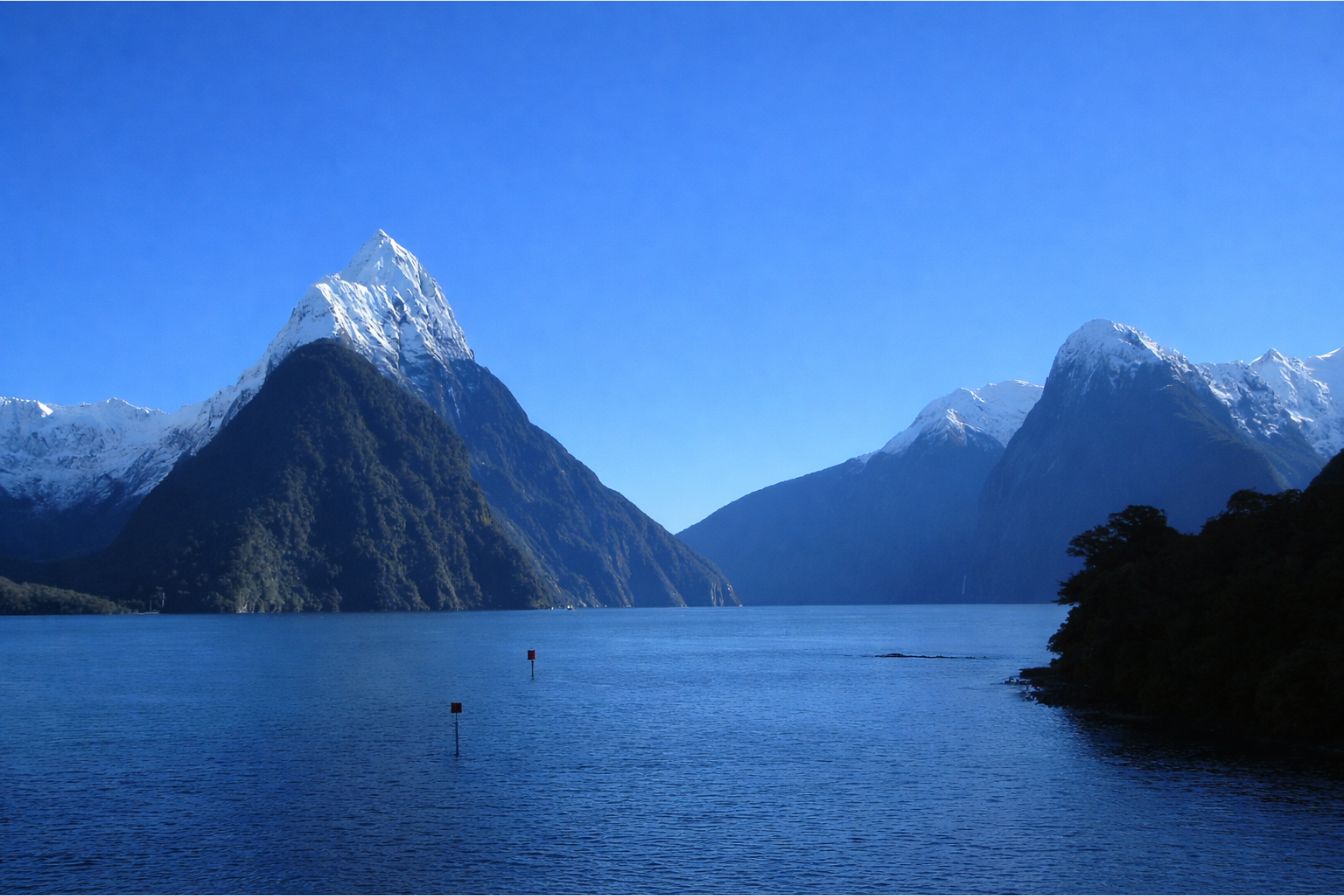
The waterline view is genuinely different rather than a marketing claim. Rock faces that look textured from a boat deck resolve into individual trees clinging to nothing. Waterfalls that read as ribbons become loud. In calm conditions the reflection is at eye level, which is where it works.
Wildlife encounters change character too. Fur seals are used to boats and mostly ignore them. A kayak is quieter and lower, and seals in the water are often curious about them. Bottlenose dolphins pass through the fiord and occasionally investigate paddlers, though that is luck rather than something to expect.
How Does Kayaking Fit Alongside A Cruise?
Most people do both, and the combination works because they are opposite experiences. A cruise covers the full 16 kilometre length of the fiord out to the Tasman Sea. A kayak covers a small area slowly. Doing only one leaves an obvious gap.
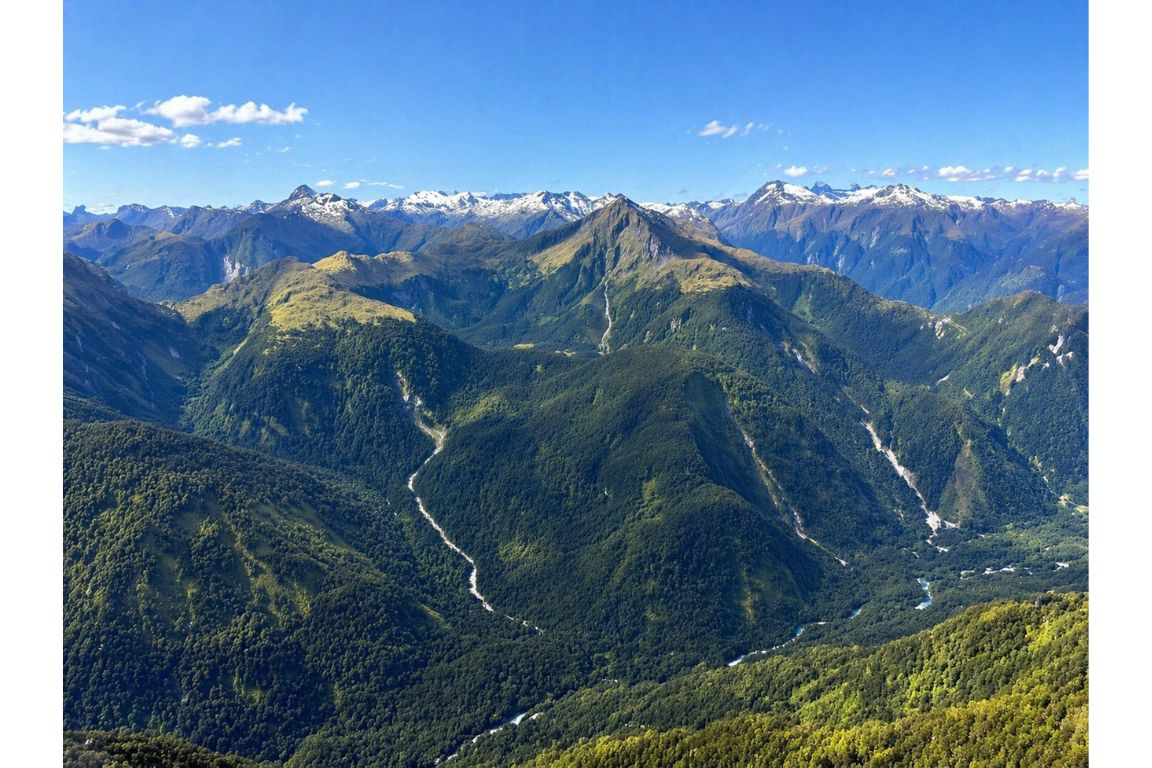
Combination trips exist for exactly this reason: paddle in the morning, cruise afterwards, or the reverse. Overnight cruises often include kayaking from the anchored vessel in the evening or early morning, which is the quietest possible version, with no day traffic on the water at all.
| Cruise | Kayak | |
|---|---|---|
| Coverage | Full fiord, out to the sea | A small area, close in |
| Perspective | Elevated, wide | At the waterline, intimate |
| Effort | None | Two to three hours of paddling |
| Weather sensitivity | Low, runs in most conditions | Higher, wind-dependent |
| Group size | Dozens to well over a hundred | Usually 10 to 20 |
When Is The Best Time Of Year To Kayak?
Late spring through autumn for warmth and daylight, with February and March offering the warmest water and the most settled spells. Winter paddling happens but is colder, darker and more often cancelled for weather.
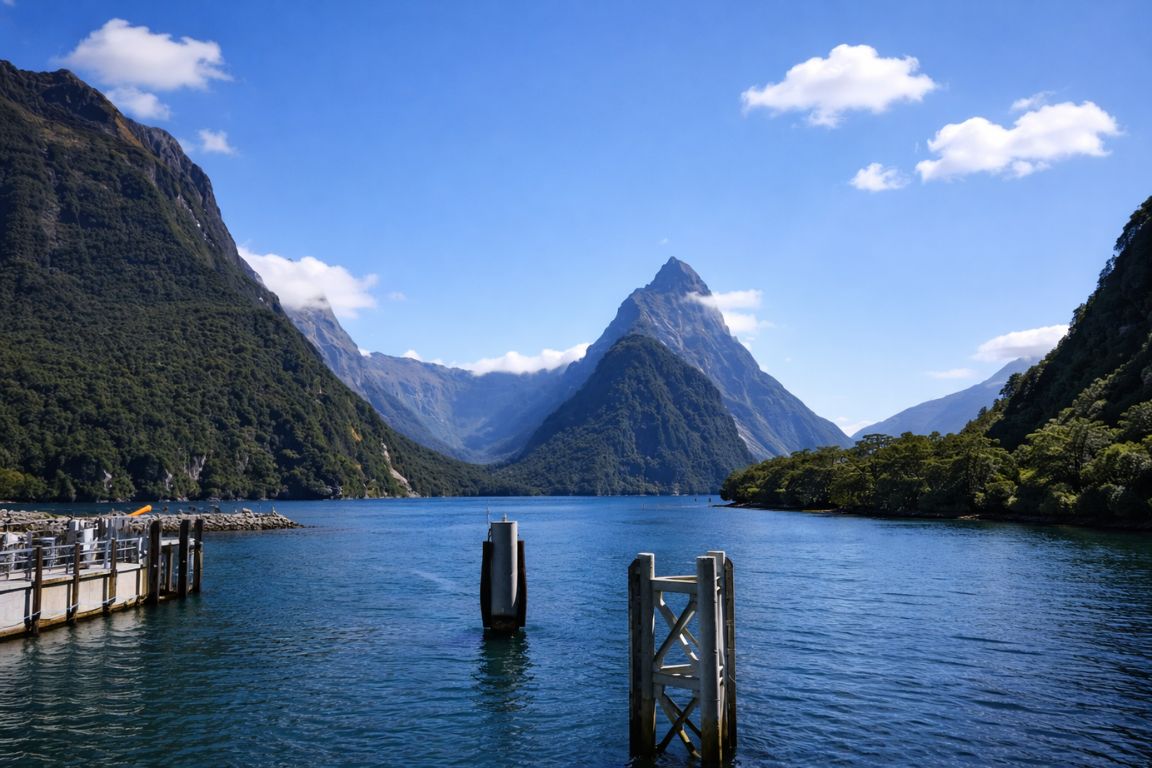
Water temperature in the fiord sits low enough that thermal protection is provided regardless of season. This is not warm-water kayaking, and nobody is swimming. The gear handles it and the paddling keeps you warm.
Morning departures tend to find the calmest water. Wind typically builds through the day in the fiord, so an early trip is more likely to run and more likely to be smooth.
| Season | Conditions | Cancellation risk |
|---|---|---|
| Dec to Feb | Warmest, longest daylight, busiest | Lowest |
| Mar to May | Settled spells, cooling, quieter | Low to moderate |
| Jun to Aug | Cold, short days, dramatic light | Highest |
| Sep to Nov | Snowmelt feeding the falls, variable | Moderate |
What Is The Sandfly Situation?
Real, and worst on shore rather than on the water. Sandflies are a permanent feature of Fiordland, they concentrate at the launch beach, and they lose interest once you are paddling. Repellent before you get on the water is the standard defence.
They are more nuisance than danger, and the bites itch for a day or two. Long sleeves help. Nobody who has paddled the fiord regards them as a reason not to go, but arriving unprepared makes the beach briefing less pleasant than it needs to be.
What Should You Wear And Bring?
Quick-drying layers under the gear the operator provides, something warm for afterwards, and a way to keep your phone dry. You will get wet, from spray if not from rain, and cotton stays wet for the rest of the day.
Operators provide the technical kit: wetsuit or dry top, spray skirt, life jacket, and usually a dry bag for small items. What they cannot provide is dry clothes for the drive back, so pack a change.
Sunglasses with a retainer are worth having even on a grey day, because glare off the water is strong. Sunscreen matters more than the cloud cover suggests.
Is Kayaking Suitable For Children Or Older Travellers?
Operators set minimum ages, commonly in the low teens for the standard fiord trips, and doubles let a child or a less confident adult paddle with someone stronger. Age itself is less of a barrier than mobility getting in and out of the boat.
The entry and exit are the parts that require a bit of flexibility, not the paddling. Anyone unsure should ask the operator directly about the launch arrangement rather than about age, because that is the real constraint.
Where Do The Trips Launch From?
From the Milford Sound area itself, with most trips starting near the terminal or from a nearby beach, so kayaking slots into a day at the fiord without adding a separate journey. Trips departing from Queenstown or Te Anau are day packages that include the transfer.
If you are driving yourself, a kayak trip plus a cruise makes a full and satisfying day at Milford without needing to be anywhere else. If you are coming from Queenstown, a combined package handles the transfer and the timing, which is worth more than it costs given the length of the drive.
Can You Hire A Kayak And Go Out On Your Own?
Not in practice. Kayaking on Milford Sound is run through licensed operators under national park concession, and independent hire on the fiord is not the casual option it is on a lake. If you want to paddle here, you go with a guide.
The reasoning is not commercial. This is tidal water open to the Tasman Sea at one end, with katabatic winds that come down off the walls without much warning, no mobile coverage and no easy shoreline to land on for most of its length. A guide carries the radio, watches the weather and knows where the exits are.
What that means for planning is simple: book the trip rather than assuming you can turn up with your own boat. Groups are small enough that the guided experience is not a coach-tour compromise.
What Is The Water Actually Like?
Cold, dark and stratified. A permanent layer of fresh water sits on top of the seawater, stained brown by tannins washed out of the forest, and it filters the light so heavily that deep-sea species live unusually close to the surface.
You notice the colour first. The top few metres look like weak tea rather than sea water, and the boundary between the fresh layer and the salt water below is sharp enough that divers can see it. From a kayak you are sitting directly on that layer.
The temperature is what the gear is for. Meltwater and constant rain keep the fresh layer cold year-round, so thermal protection is provided in every season and nobody swims. The paddling keeps you warm; sitting still does not.
How Does A Kayak Trip Fit Into The Day?
It slots in either side of a cruise. Morning paddles find the calmest water and the least traffic. Afternoon trips run once the day boats thin out. Overnight cruises include an evening or early-morning paddle, which is the quietest version available.
| When you paddle | Conditions | Works well with |
|---|---|---|
| Early morning | Calmest water, best reflections | An afternoon cruise, or the drive back |
| Midday | Wind often building, most boat traffic | The default slot on a Queenstown day trip |
| Late afternoon | Quieter as day boats leave | Staying at Te Anau or the fiord overnight |
| Evening, from an anchored vessel | No traffic at all | An overnight cruise |
Anyone driving from Queenstown for the day should be honest about the arithmetic. Four hours of driving, a two-hour cruise and a three-hour paddle is a very long day. Pick one water activity and do it properly, or base yourself closer.
Is Kayaking In Milford Sound Safe?
Yes, under guide supervision, which is part of why independent hire is not offered. The fiord is sheltered compared with open coast, the kayaks are stable, and guides carry radios and watch the conditions. The specific hazard is wind rather than waves.
Katabatic wind is what guides actually watch for. Cold air sitting on the tops spills down the walls and accelerates, so flat water can turn choppy quickly with little warning from the sky. That is the usual reason a trip is cut short, and the call belongs to the guide.
Capsizing is uncommon in stable doubles, and guides train for it. You are in thermal gear and a life jacket, the group stays together and recovery is quick. The genuine risks are cold and fatigue rather than drowning, which is why the gear and the group pace matter more than paddling technique.
Tell the operator about medical conditions, shoulder or back problems and swimming confidence when you book. None of these automatically rules you out, and all of them change how a guide will pair you in a double.
What Does A Kayak Trip Look Like Hour By Hour?
Roughly: meet and check in, kit up and get briefed on the beach, twenty minutes of instruction and practice, ninety minutes to two hours of paddling with stops, then back, out of the gear and away. The paddling is the shortest-feeling part of the morning.
| Stage | Roughly | What happens |
|---|---|---|
| Check in and kit up | 30 minutes | Wetsuit or dry top, spray skirt, life jacket, dry bag |
| Beach briefing | 20 minutes | Strokes, steering, signals, what to do if you go over |
| On the water | 1.5 to 2 hours | Paddling with stops to raft up and listen |
| Return and change | 30 minutes | Gear off, warm clothes, sandflies at their most attentive |
The rafting-up stops are the part people remember. The guide brings the group together, everyone stops paddling, and the fiord goes quiet enough to hear water running off rock a few hundred metres away. That silence is difficult to get on any powered vessel.
What Trip Formats Exist?
Morning and afternoon day paddles, combination trips that add a cruise, and the evening or dawn paddles run from an anchored overnight vessel. The overnight version is the quietest, because there is no day traffic on the water at all.
| Format | Water conditions | Traffic | Suits |
|---|---|---|---|
| Early morning day paddle | Usually calmest | Low | Photography, nervous first-timers |
| Midday or afternoon | Wind often building | Highest | Queenstown day-trippers |
| Kayak plus cruise combo | Varies | Moderate | Seeing the whole fiord and the waterline |
| From an overnight vessel | Usually settled | None | The quietest experience available |
How Fit Do You Need To Be, Honestly?
Moderately. If you can walk briskly for an hour without difficulty you will manage a guided paddle. The limiting factors are shoulder endurance and the ability to get in and out of a low boat, not cardiovascular fitness.
Doubles solve most fitness mismatches. A stronger paddler in the back can carry a good share of the work while the person in front sets a comfortable rhythm, and guides pair people deliberately once they have watched the group for ten minutes.
What genuinely makes it harder is wind. Paddling into a headwind on the return leg is the part that tires people, and it is the reason guides watch the forecast and often plan to go out against the wind and come back with it.
What Is Under The Water?
An unusual ecosystem created by the freshwater layer. Rain washes tannin-stained fresh water into the fiord, it floats on the denser seawater, and it filters so much light that deep-sea species live within a few metres of the surface, including black coral.
Black coral is normally a deep-ocean organism, found here at depths recreational divers can reach, which is why Milford Sound has a reputation among divers out of proportion to its size. The colonies are white when alive; the black refers to the skeleton.
You do not need to dive to see it. The underwater observatory at Harrison Cove is built into the fiord wall specifically to show this world to people who will never put on a tank, and it is offered as an add-on with some cruises.
Can You Kayak Doubtful Sound Instead?
Yes, and it is a genuinely different trip: larger, quieter, and reached only by a lake crossing and a coach over Wilmot Pass. It is a full-day or overnight commitment rather than a morning, and it is not a substitute if your time is already committed to Milford.
The choice is mostly about time rather than quality. Milford kayaking slots into a day you were spending at the fiord anyway. Doubtful is its own day and needs to be planned as one.
What Do Guides Wish People Knew?
Three things: book the morning slot, bring genuinely warm dry clothes for afterwards, and say something early if you are struggling. Guides can adjust the route, swap you into a double or shorten the loop, but only if they know.
The second most common regret is camera-related. People bring a good camera, discover there is nowhere dry to put it, and spend the paddle worrying. A small waterproof case or an agreement to leave it in the guide's dry barrel solves an afternoon of anxiety.
The last one is sandfly preparation. Repellent applied in the car park before you get kitted up is far more effective than the frantic version applied on the beach while wearing a spray skirt.