Self-Drive Vs Tour Milford Sound
Self-drive or guided tour to Milford Sound? Compare cost, flexibility, and effort to choose the right option for your trip.
Quick Summary
Self-driving gives you complete control over your day and is better value for groups of three or more. A guided tour handles every logistical variable and is the right call for solo travelers, anyone unfamiliar with mountain driving, and visitors coming from Queenstown who don’t want to spend nine hours behind the wheel. The Milford Road is genuinely scenic either way. The question is how much of your attention you want on the road versus the view.
Use your starting point, group size, and appetite for a long driving day to compare the best-fit cruise and transport options.
Your Milford Plan
- From Queenstown, a guided coach and cruise avoids a 600-kilometre self-drive day.
- From Te Anau, self-driving offers more flexibility, while a small-group tour removes road and cruise coordination.
- Compare complete group totals and check your actual travel date before arranging transport or accommodation.
Self-Drive Vs Tour: At A Glance
| Cost (couple, from Queenstown) | ~NZD $370-$450 (fuel + cruise + parking) | ~NZD $400-$520 pp all-inclusive |
| Cost (group of 4, from Queenstown) | ~NZD $500-$600 total | ~NZD $800-$1,200 total |
| Flexibility | Full control – stop anywhere, any time | Fixed stops, fixed schedule |
| Driving effort (from Queenstown) | 8-10 hours driving total | Zero |
| Local knowledge/commentary | Only what you bring or research beforehand | Included from experienced driver-guides |
| Winter suitability | Possible but requires snow chains and experience | Recommended – operator handles all conditions |
| Best for | Groups of 3+, road trip lovers, photographers | Solo travelers, Queenstown day-trippers, first-timers |
| Road base recommended | Te Anau strongly preferred | Queenstown or Te Anau both work |
Prices verified April 2026. Cost estimates based on standard day cruise rates and typical fuel costs for 2025/2026.
Should You Self-Drive Or Take A Tour To Milford Sound?
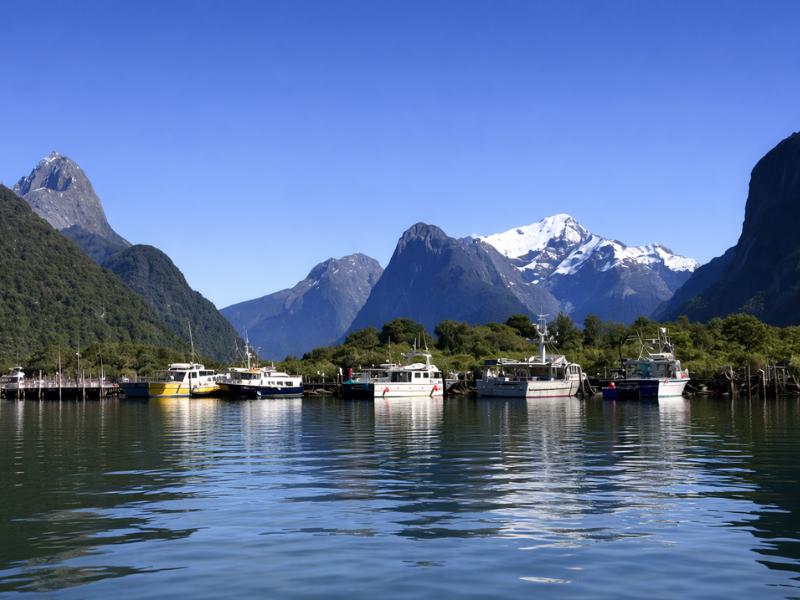
It depends on three things: where you’re based, how many people are traveling with you, and how much you enjoy driving under pressure. Self-driving from Te Anau with two or more people is usually the better value option and gives you a more personal experience on the road. A guided tour from Queenstown makes sense for solo travelers and anyone who doesn’t want to manage nine hours of driving, snow chains, Homer Tunnel traffic lights, and parking logistics all on the same day.
We run guided tours. That means we have a direct stake in you choosing a tour, so take what follows as an honest attempt to be fair to both options, not a sales pitch.
The self-drive case is genuinely strong. The Milford Road from Te Anau is 119 kilometres of national park driving that many experienced travelers put among the best road trips of their lives. Mirror Lakes, the Eglinton Valley, Lake Gunn, the Homer Tunnel at 940 metres above sea level, then the descent through the Cleddau Valley to the fiord. It is not just a way to get somewhere. The Milford Road is the experience, and a car gives you full access to it on your own terms.
The tour case is also genuine. The Milford Road has an injury crash rate around 65 percent higher than the New Zealand road network average, and a fatality rate close to double. Much of that risk is concentrated in distracted driving: visitors unfamiliar with the road, the Homer Tunnel’s one-lane traffic-light system, steep gradients, narrow shoulders, and the constant temptation to look sideways when you should be watching the bend ahead. A driver-guide who has done this route hundreds of times takes over the driving task and lets passengers focus on the scenery; road and weather risks still remain.
The honest framework: if you’re coming from Te Anau with two or more people and you’re comfortable with a full day of scenic mountain driving, self-drive is hard to beat. If you’re based in Queenstown, doing it alone, or visiting in winter, a tour is the right default.
Not sure how to get to Milford Sound or what to book once you’re there? Check out our how to visit New Zealand Milford Sound tours guide before you start planning.
What Does The Self-Drive Route To Milford Sound Actually Involve?
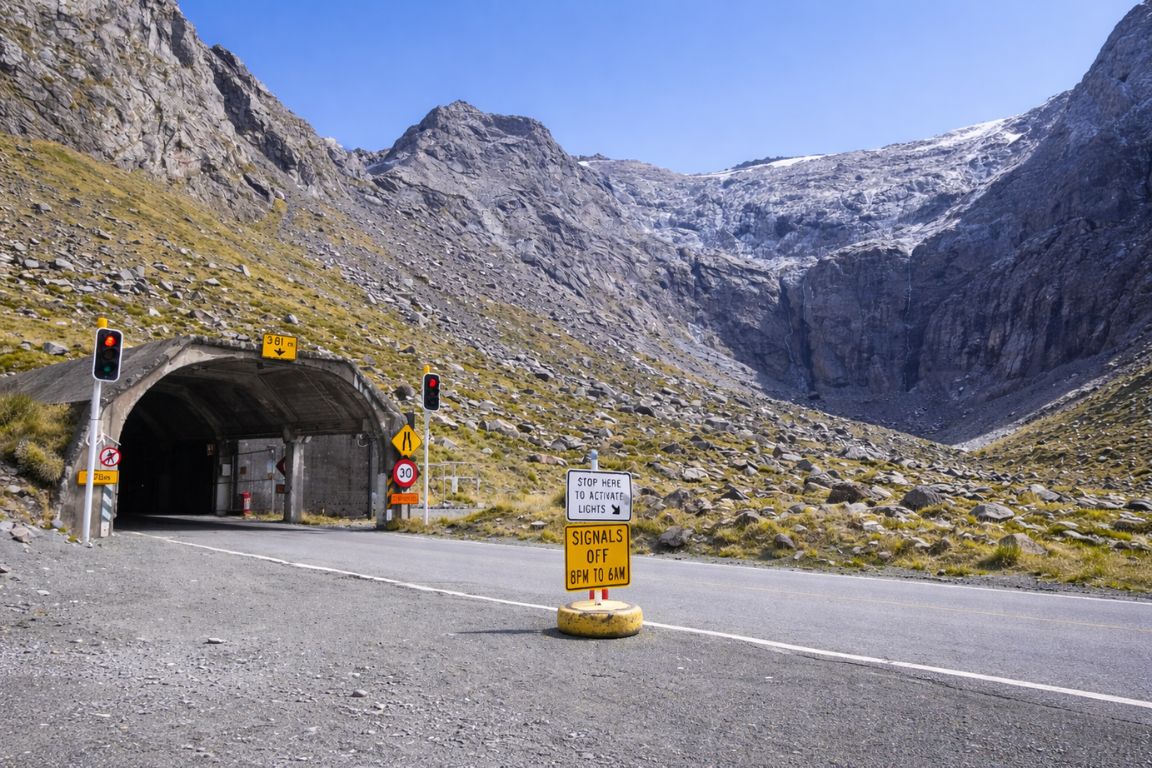 From Te Anau: 119 km on State Highway 94, roughly 2 hours without stops, 3.5 to 4 hours with. From Queenstown: add 175 km and 2 hours to reach Te Anau first, making the total one-way drive around 4.5 to 5 hours from Queenstown. There are no fuel stations after Te Anau. No mobile phone reception for most of the route. The Homer Tunnel is one-lane with traffic light control and up to 20-minute waits in summer. The road is sealed throughout but narrows considerably from the Divide to Milford.
The drive from Queenstown to Te Anau is the warm-up: 175 km on State Highway 6, mostly flat and straightforward through farmland. It takes around two hours. Te Anau is the last place to fill fuel, buy food, check NZTA road conditions, and download offline maps. After Te Anau, the phone signal disappears and there are no services until Milford Sound itself.
The Milford Road proper begins at the edge of Te Anau and almost immediately starts delivering. The Eglinton Valley opens within 30 kilometres: a wide, glacier-carved trough with a flat tussock floor and walls that rise sharply on both sides. The road runs straight through the middle and the scale is disorienting in the best way. Mirror Lakes at around 57 kilometres from Te Anau is the most-photographed stop on the route, a series of small tarns that reflect the Earl Mountains on calm mornings. Worth 15 minutes. Worth more if you arrive before the coach convoys.
The Homer Tunnel arrives at the 94-kilometre mark, at the top of the range. It is 1.2 kilometres long, unlined in places, wet, and has a steep downward gradient toward Milford. Traffic lights control one-way flow in summer, with waits of up to 20 minutes a normal part of the day. Coming out the far side, the Cleddau Valley descends in a series of hairpin bends. Waterfalls run off every surface in wet weather. The road levels out and follows the valley floor to the terminal.
Total driving time door to door from Queenstown, with a reasonable number of stops but without extended hikes: around 5 to 6 hours each way. From Te Anau, 3 to 4 hours each way. The return drive is the same road in reverse and you will see it differently the second time around.
Want to make sure you don’t miss the highlights while you’re there? Check out our what to see in New Zealand Milford Sound tours guide before your visit.
What Are The Real Advantages Of Self-Driving To Milford Sound?
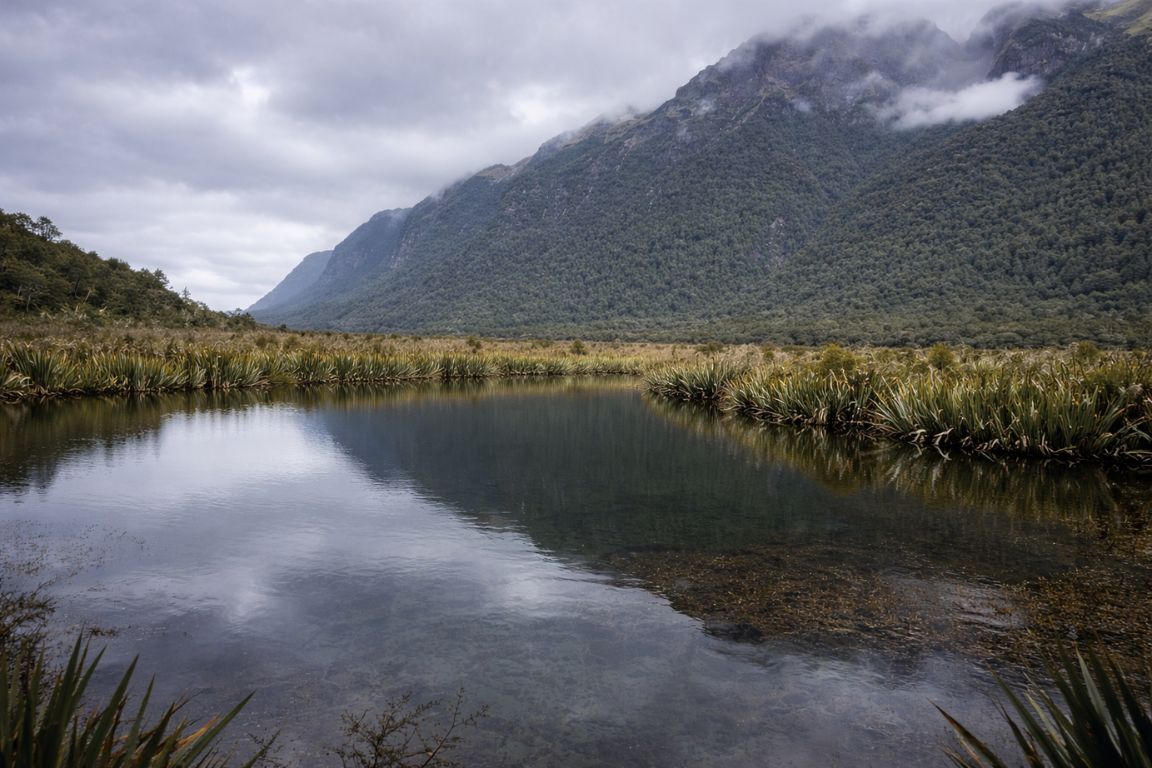 Self-driving gives you complete schedule flexibility, which matters on this road more than most. The best light on Mirror Lakes is before 9am, before the coaches arrive. The best stops for kea sightings are spontaneous, not scheduled. The Homer Tunnel queue is much shorter at 7am than at 10am. None of these advantages are available on a fixed-departure coach. Self-driving is also significantly cheaper for groups of three or more, and delivers a more solitary version of the experience.
The photography case for self-driving is clear. Every serious landscape photographer who has worked this route will tell you the same thing: the best light is early, before the tour buses arrive. Mirror Lakes in the first hour after dawn, when the water is still and the reflections are sharp, looks nothing like Mirror Lakes at 10:30am when 40-seat coaches are pulling in simultaneously. The first-mover advantage on the Milford Road belongs entirely to the self-driver who left Te Anau at 6:30am.
Flexibility also means stopping for things the itinerary doesn’t include. The kea at the Homer Tunnel car park. A sudden opening of light in the Hollyford Valley that turns the valley floor gold for three minutes. The short detour to the Key Summit trailhead. A tour bus schedules stops and moves on; a car waits as long as the driver decides.
The cost advantage is real for groups. A couple self-driving from Queenstown, splitting fuel of around NZD $80 and paying for cruise tickets at around $165 each, comes in at roughly NZD $410 to $450 for the day, excluding car hire. A guided coach tour for two from Queenstown with cruise included typically runs NZD $400 to $520 per person, so NZD $800 to $1,040 total. For a group of four in one car, the cost gap widens considerably. Prices verified April 2026.
There is also something specific to self-driving that a tour cannot replicate: the feeling of choosing your pace through a landscape this extraordinary. The Milford Road has no urgency built into it when you’re driving yourself. You stop because something compelled you to stop, not because it appeared on a schedule. That quality of attention is different.
What Are The Honest Drawbacks Of Self-Driving To Milford Sound?
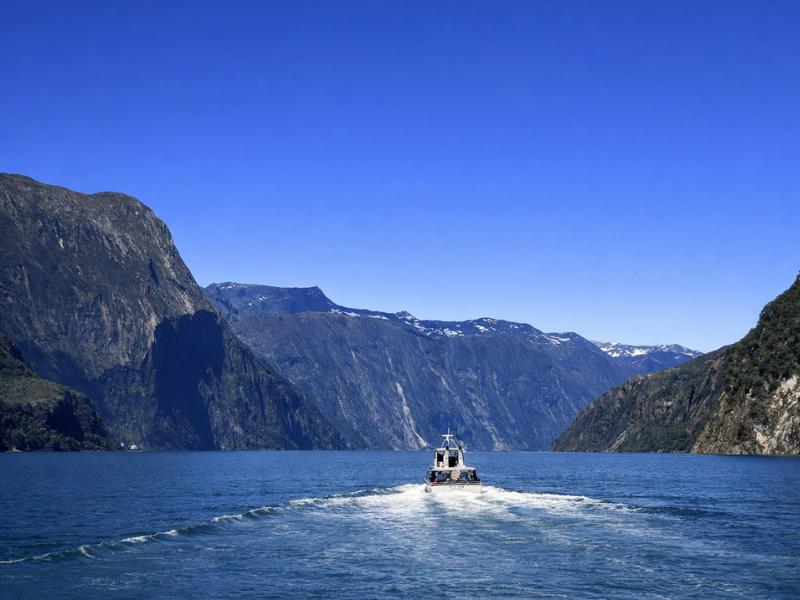
From Queenstown, self-driving means 8 to 10 hours behind the wheel in a single day over mountain roads requiring sustained attention. The Homer Tunnel and the descent to Milford require genuine concentration. Winter driving requires snow chains, cold-weather experience, and willingness to turn back if conditions deteriorate. Parking is limited and costs NZD $10 per hour. There is no mobile reception for the entire Fiordland section of the drive.
The fatigue issue is the one most visitors underestimate. The return Queenstown to Milford Sound trip is 600 kilometres, taking 12 to 14 hours by the time driving, cruise, stops, and parking are accounted for. That is a serious day of driving by any measure, and the back half of it, the return from Milford in the late afternoon, is frequently done tired and in variable light. The Milford Road is not a motorway. The narrow sections, particularly after the tunnel, require active concentration regardless of how beautiful the view is.
The road’s safety statistics warrant plain language. The Milford Road section of State Highway 94 has an injury crash rate around 65 percent higher than the national average and a fatality rate close to double. The primary risk factors are distracted driving, unfamiliarity with New Zealand’s left-hand traffic, campervans taking corners too wide, and the temptation to look at the scenery instead of the road. None of these are hypothetical. They show up consistently in accident reports. A guide who knows every corner of this road has driven it hundreds of times. A first-time visitor has not.
Winter adds another layer. Snow chains are legally required from May through November whenever signage indicates. Fitting them correctly takes time and confidence. Rental car companies do not always include them. The road can close entirely due to avalanche control work, occasionally without much warning, stranding drivers who haven’t checked NZTA conditions before departure. In winter, the case for a guided tour strengthens considerably.
Parking at Milford Sound is limited and charges NZD $10 per hour from the main car park, with a 10 to 15 minute walk to the cruise terminal. Free overflow parking exists at Deepwater Basin but requires a longer walk of 25 to 30 minutes or a shuttle. In peak summer, the main car park fills before 10am. Self-drivers who arrive late may find the overflow their only option.
What Do You Get On A Guided Tour That You Cannot Get Driving Yourself?
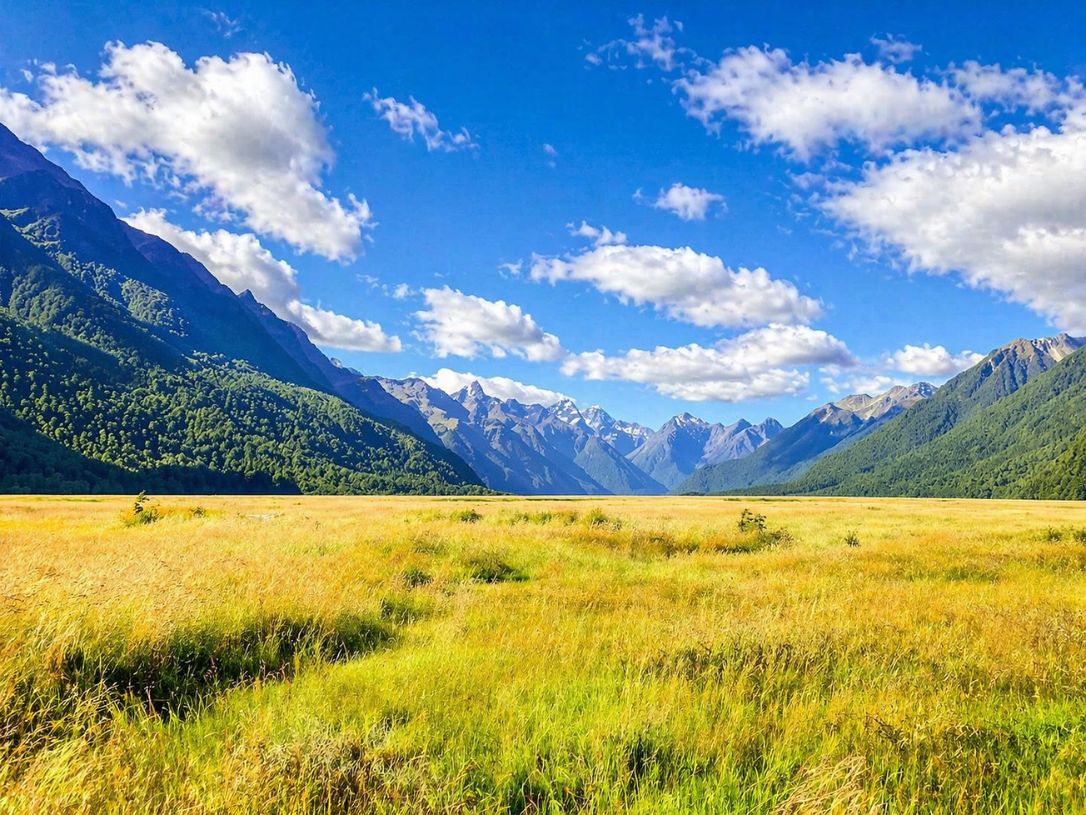 Three things, primarily: local knowledge delivered in real time, zero driving fatigue, and insurance against the logistics going wrong. A good driver-guide narrates the geology, the ecology, the history of the road, and knows exactly where to pull over for the best angle on a cloudy Eglinton Valley. They also know whether the Homer Tunnel wait is five minutes or twenty, and adjust the day accordingly. You cannot replicate that from a guidebook.
The commentary is the least visible but most undervalued advantage. The Fiordland landscape looks spectacular to any eye. It looks different when someone who grew up here or has spent years working this route tells you what you’re looking at. The avenue of mountain beech that lines the Eglinton Valley, the geology of the Homer Tunnel rock face, the reason the tussock on the valley floor grows in those specific patterns, why the kea is endemic to the Southern Alps and found nowhere else. These are things a tour guide knows and a highway sign does not tell you.
Beyond commentary: the logistics of a full Queenstown day trip are genuinely complex. Transport to the coach, cruise timing, lunch coordination, Homer Tunnel delays, and parking at the terminal are handled on a glass-roof coach and cruise from Queenstown before they become your problem. A coordinated tour reduces the number of separate connections you need to arrange, but delays and cancellations remain possible. A self-driver who leaves Queenstown at 8am thinking they have plenty of margin and then hits a 20-minute Homer Tunnel queue and a delayed lunch stop does not always make a 1pm cruise. We hear from those travelers regularly.
Modern coach options have improved significantly. Glass-roofed coaches from RealNZ, Pure Milford, and others are specifically designed for viewing the landscape from inside. The viewing experience from a well-positioned coach seat with a glass roof is different from a car window, not necessarily inferior on the sections between stops. And when the vehicle is stopped at Mirror Lakes, everyone in the coach is stopped for the same reason at the same time, with a guide pointing out what to look for.
For winter travel specifically: guided tour drivers hold professional licences, complete defensive driving training, and carry chains as standard. They know the current road conditions from morning briefings before departure. They have protocols for road closures. The peace of mind that comes with this has genuine value, particularly for international visitors driving in New Zealand for the first time.
If you'd rather hand the logistics to someone who has driven this road hundreds of times, a glass-roof coach and cruise from Queenstown covers this route in every season.
What Are The Drawbacks Of Taking A Tour To Milford Sound?
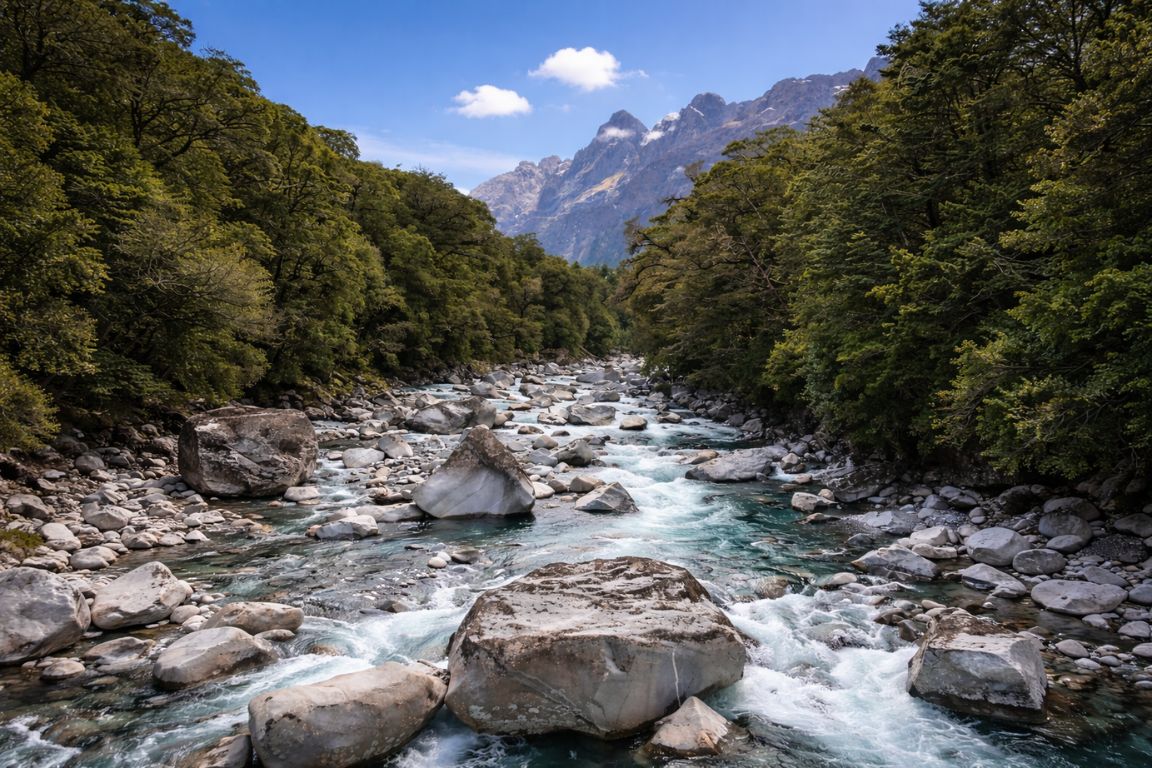 Fixed schedules, fixed stops, and shared space. A standard coach tour from Queenstown gets you to Milford Sound and back efficiently, but the road stops are brief and the timing is not yours to set. Large-group tours (up to 49 passengers) move with the pace of a group, not an individual. If your priority is stopping spontaneously for the light on Mirror Lakes at 7am or spending 40 minutes at The Chasm, a tour does not deliver that.
The schedule constraint is the central tradeoff. A guided tour from Queenstown has a fixed departure time, typically early morning, and a fixed itinerary of pre-selected stops. The stops are well-chosen because guides know which ones produce the best reactions. But they last as long as the schedule allows, not as long as you’d like. Photographers with specific intentions about light and composition will find this frustrating.
Large coach tours, which can carry up to 49 passengers, create a different kind of experience from what people often imagine. Arriving at Mirror Lakes in a 49-seat coach at 10:30am alongside two or three other similar coaches does not feel like a wilderness encounter. The best tours are small-group options (typically 12 to 16 people) that move more nimbly and stop more responsively. The pricing reflects the difference.
A tour also locks you into the round trip. If you want to stay overnight in Milford Sound or extend your time in Te Anau on the way back, a day tour doesn’t accommodate that. Self-driving gives you the ability to stay for the evening cruise, sleep at Milford Sound Lodge, and leave the next morning. That version of the trip is not accessible from a coach departure.
The return journey from Queenstown on a coach is a long sit. Several tour reviews note that the return drive, after a full day at the fiord, is harder than the outbound because there is less novelty to sustain the attention over 4 hours of bus travel. Picking up a one-way flight back to Queenstown from Milford Sound is the standard fix for this, but it adds cost and is weather-dependent.
Planning a day trip from Queenstown to Milford Sound and not sure how to make it work logistically? Here’s our New Zealand Milford Sound tours from Queenstown guide so you plan it properly
How Much Does Each Option Cost When You Add Everything Up?
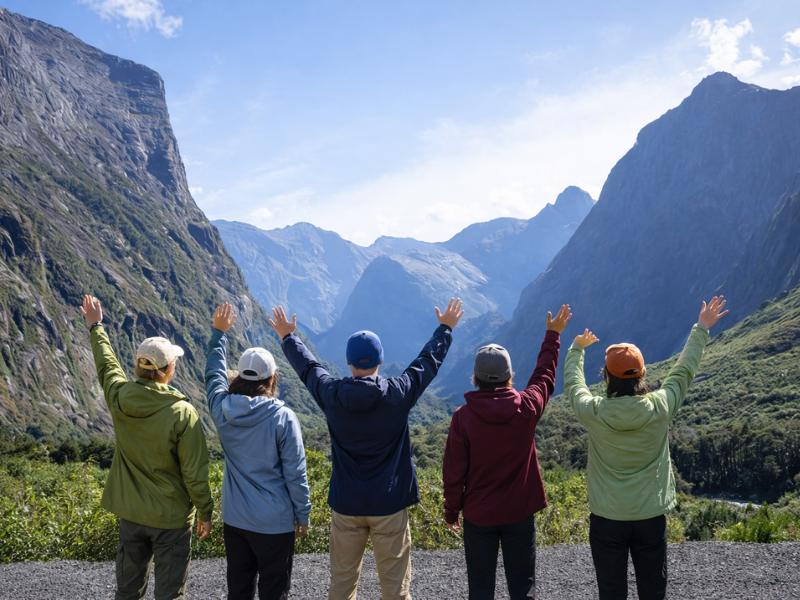
Self-driving is cheaper for groups of three or more. For solo travelers and couples, the cost difference versus a coach tour is smaller than most people expect, particularly when fuel, car hire, parking, cruise tickets, and return fatigue are all factored in. A value coach tour from Queenstown with cruise included typically runs NZD $289 to $350 per person. The equivalent self-drive day for a couple works out to roughly NZD $200 to $230 per person including fuel, cruise, and parking.
The table below maps out realistic total costs for common traveler configurations, based on a Queenstown departure and a standard day cruise. All prices are in NZD and verified April 2026.
| Solo traveler (Queenstown) | ~$325-$380 (fuel $80 + cruise $165 + parking $30 + car hire ~$75) | ~$290-$350 (all-inclusive coach + cruise) | Tour wins on cost and eliminates a full day alone behind the wheel |
| Couple (Queenstown, own car) | ~$410-$460 total ($80 fuel + $330 cruises + $30 parking) | ~$580-$700 total ($290-$350 each) | Self-drive saves $150-$250 but involves 9+ hours of shared driving |
| Group of 4 (Queenstown, own car) | ~$740-$820 total ($80 fuel + $660 cruises + $30 parking) | ~$1,160-$1,400 total ($290-$350 each) | Self-drive saves $400-$600. Clear winner for groups in one car. |
| Couple (based in Te Anau, own car) | ~$370-$410 total ($25 fuel + $330 cruises + $25 parking) | ~$360-$480 total ($180-$240 each for Te Anau tour) | Roughly equal cost. Self-drive more flexible; tour less tiring. |
Estimates based on Southern Discoveries standard cruise NZD $165 adult, fuel at approximately $0.30/km, and standard paid parking NZD $10/hour. Prices verified April 2026. Actual costs will vary by season, operator, and fuel price.
One cost the table doesn’t capture: fatigue. A nine-hour driving day is a day that ends tired. If your trip continues the next morning with an early start, that tiredness has a value. Paying NZD $150 more per person to arrive at the fiord rested and depart the same way is a legitimate calculation, not just a luxury preference.
First time trying to do Fiordland on a tight travel budget? Here’s our New Zealand Milford Sound tours on a budget guide so you don’t write off one of New Zealand’s greatest landscapes before you’ve even looked properly.
Which Type Of Traveler Should Self-Drive And Which Should Take A Tour?
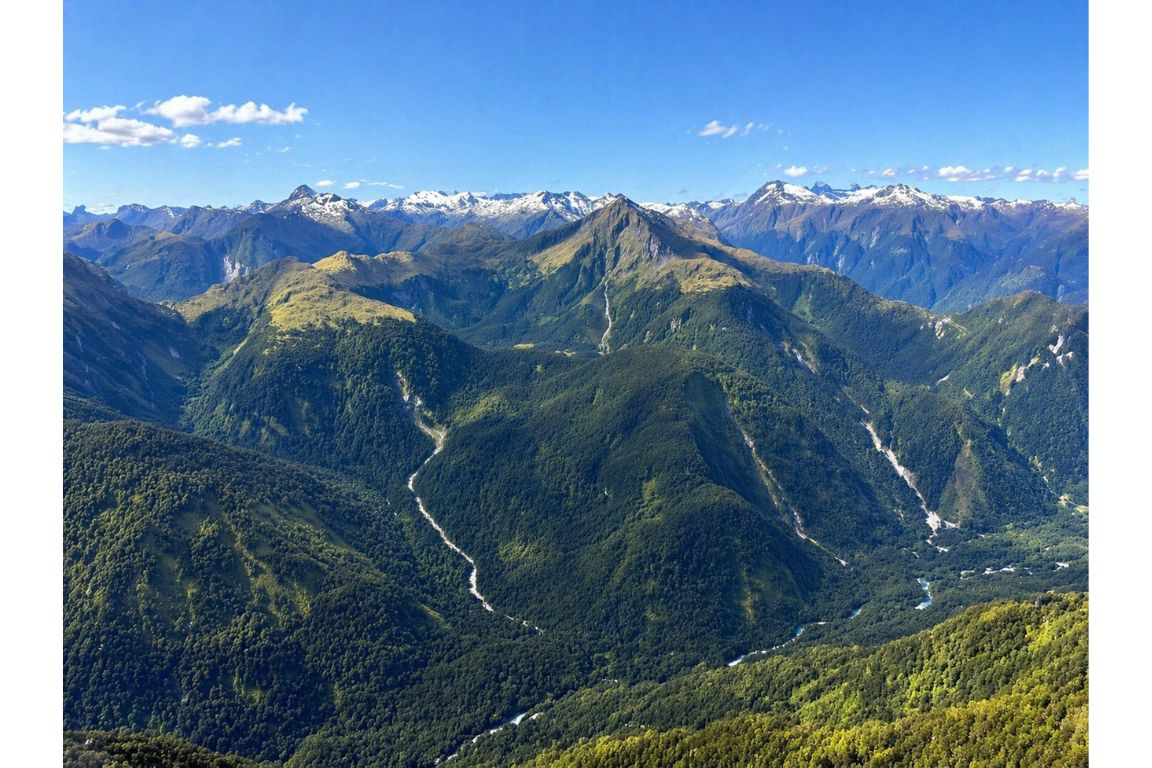 Self-drive suits experienced drivers in groups who are based in or willing to overnight in Te Anau, who want full schedule control, and who value the road as an experience equal to the destination. A tour suits solo travelers, Queenstown-based visitors doing a day trip, anyone unfamiliar with mountain driving or New Zealand road rules, winter visitors, and anyone who wants to absorb the view rather than manage the logistics of the day.
Fourteen years of watching travelers approach this decision produces a few clear patterns.
Self-driving works best for the couple or small group who has based themselves in Te Anau for two nights, has a rental car with no time pressure on the day, and genuinely wants to drive the Milford Road as part of the experience. They leave at 6:30am. They stop at Mirror Lakes before anyone else arrives. They take 40 minutes at The Chasm. They park at Deepwater Basin, walk to the terminal, and do the afternoon cruise. They are back in Te Anau by 7pm having driven 240 kilometres for the day and spent most of that distance in Fiordland National Park. This is one of the best day trips in New Zealand, full stop.
A tour makes more sense for the solo traveler coming from Queenstown who has two days left in the South Island and Milford Sound on the list. The 600-kilometre round trip alone, for one person, is exhausting and the cost premium over a coach tour is small or nonexistent depending on car hire costs. The Queenstown-based couple who wants the experience without an 8am start and 10pm return has the same calculation. The traveler who hasn’t driven in New Zealand before and isn’t sure about left-hand traffic on a narrow mountain road should unambiguously take a tour.
Winter is its own category. Anyone visiting between May and November and unfamiliar with snow chain fitting, icy roads, or avalanche-zone driving should be on a coach. The professional drivers who work this route in winter have defensive driving qualifications and handle every condition the season produces. The road’s safety record suggests this isn’t overcautious advice.
Want to know which months balance good weather with manageable tourist numbers? Here’s our best time to visit New Zealand Milford Sound tours guide so you don’t book the wrong time of year.
Questions about which option fits your trip? Compare what you have read here with a full-day tour from Te Anau if you want that base without driving, or stay with self-drive if the cost and control already fit.
What We See From Our 14,500+ Guided Travelers
Fourteen years of running tours through Fiordland gives a clearer picture of which traveler profiles end up happiest with each approach. These are the patterns we observe most consistently.
| Tour guests who said commentary significantly enhanced their road experience | 92% – particularly first-time visitors to Fiordland |
| Tour guests from Queenstown who said they were glad they didn’t self-drive | 88% – most cited fatigue as the main reason |
| Self-drivers (via our cruise-only bookings) based in Te Anau who rated the driving experience highly | 95% – among the highest satisfaction scores we see |
| Travelers who missed their cruise due to self-driving delays (Homer Tunnel, road stops) | 12% in peak summer; much higher among those who left Queenstown after 8am |
| Winter tour guests who said they would not have self-driven given the conditions | 78% – road risk is the decisive factor in this season |
| Groups of 3 or more who self-drove and cited cost savings as a key factor | 65% – consistent pattern across seasons |
Frequently Asked Questions
Is it safe to self-drive to Milford Sound?
Yes, for experienced drivers who are comfortable with mountain roads and left-hand traffic. The Milford Road has an injury crash rate significantly above the New Zealand network average, primarily due to driver distraction on a visually overwhelming route. Experienced drivers who stay focused on the road, pull over for stops correctly, and check NZTA conditions before departure drive this route without incident every day. Less experienced drivers, international visitors unfamiliar with New Zealand road rules, and anyone driving in winter conditions without chain experience should consider a tour instead.
Can I self-drive from Queenstown to Milford Sound and back in a day?
Yes, but it is a very long day. The round trip is approximately 600 kilometres and takes 12 to 14 hours including stops and the cruise. Experienced drivers coming from Queenstown regularly manage this with a 6am departure and a 10pm return. The risk is fatigue on the return drive, which covers the same challenging sections of road after a full day out. Staying overnight in Te Anau and driving from there instead is the more sensible approach.
Is self-driving cheaper than a guided tour?
For groups of three or more in a single vehicle, self-driving is meaningfully cheaper. For a solo traveler or couple, the cost difference is smaller than expected once fuel, parking, and any car hire are factored in alongside separate cruise tickets. A value coach tour from Queenstown including cruise typically runs NZD $289 to $350 per person, while a couple self-driving from Queenstown pays roughly NZD $200 to $230 per person in total costs. Prices verified April 2026.
What is the Homer Tunnel and do I need to worry about it?
The Homer Tunnel is a 1.2-kilometre single-lane tunnel at 940 metres above sea level on the Milford Road. Traffic lights control one-way flow in summer, with waits of up to 20 minutes during peak periods. It has a steep downward gradient toward Milford. It is not technically difficult to drive, but it is dark, wet, and unfamiliar to first-time visitors. Follow the traffic light signals, keep headlights on, and drive at a steady pace. Tour buses pass through it routinely without issue.
Do I need snow chains to self-drive in winter?
Between May and November, carry or fit snow chains when Milford Road signs require it. Not all rental car companies include them; check before you collect your vehicle. Chains can be hired in Te Anau. Know how to fit them before you leave, since fitting them correctly on a mountain road for the first time under cold conditions is harder than it sounds. Winter visitors who are unfamiliar with chains are better served by a guided tour.
Which tour operators run guided tours to Milford Sound?
The main operators running coach-and-cruise day tours from Queenstown and Te Anau include RealNZ, Southern Discoveries, Pure Milford, and various small-group operators. Coaches range from standard 40-plus seat vehicles to glass-roofed premium coaches and small-group minibuses of 12 to 16 passengers. Small-group options cost more but stop more flexibly and feel less like mass tourism. Check inclusions carefully: not all tours include lunch, and cruise quality and duration varies between operators.
Still deciding?We’ve guided over 14,500 travelers through Fiordland and fielded this question more than any other. Check the Premium Milford Sound Small-Group Tour & Cruise from Queenstown if you already know you want the tour side, or stay on this page if you are still weighing the drive. Open dates for the small-group Queenstown coach and cruise if you have already decided against driving.
Written by Liam Aroha Bennett
New Zealand tour guide since 2011 · Founder, New Zealand Milford Sound Tours
Liam has guided over 14,500 travelers through Milford Sound and Fiordland since founding the agency.