Best Time To Visit Milford Sound
When is the best time to visit Milford Sound? Compare summer, winter, and shoulder seasons - plus why rain can make the experience even better.
Quick Summary
February is the single warmest and driest month, making it the most reliable window for clear skies. July is the driest winter month with the fewest crowds and the most peace on the water. April and November sit in the sweet spot: shoulder pricing, fewer people, and weather that still delivers. Rain is not a reason to cancel, it is the reason the waterfalls exist. Every month at Milford Sound is worth going; the question is which version of it you want.
Once the month is chosen, match cruise length and starting point to daylight, road conditions, and how much of the day you still need for the rest of the trip.
Your Milford Plan
- Choose February for the warmest, relatively drier window, July for a quieter winter visit, or April and November for a shoulder-season balance.
- Check your actual travel date before arranging accommodation, transport, or other fixed parts of the trip.
- Use a cruise-only sailing if you are already heading to Milford Sound, or a transport-inclusive day from Te Anau or Queenstown if you are not.
Milford Sound: Season At A Glance
| Summer | Dec-Feb | 15-19°C | 500-633mm | Peak (3,500-4,500+/day) | $165-$389 |
| Autumn | Mar-May | 10-18°C | 548-566mm | Moderate-Low | $140-$320 (est.) |
| Winter | Jun-Aug | 4-11°C | 394-429mm | Very Low (500-1,000/day) | $140-$330 (est., 10-15% less) |
| Spring | Sep-Nov | 10-18°C | 540-567mm | Low-Moderate | $140-$340 (est.) |
Prices verified April 2026. Rainfall data sourced from Weather Atlas long-term averages. Estimated off-peak prices reflect approximate 10-15% seasonal discount versus peak summer rates.
What Is The Single Best Month To Visit Milford Sound?
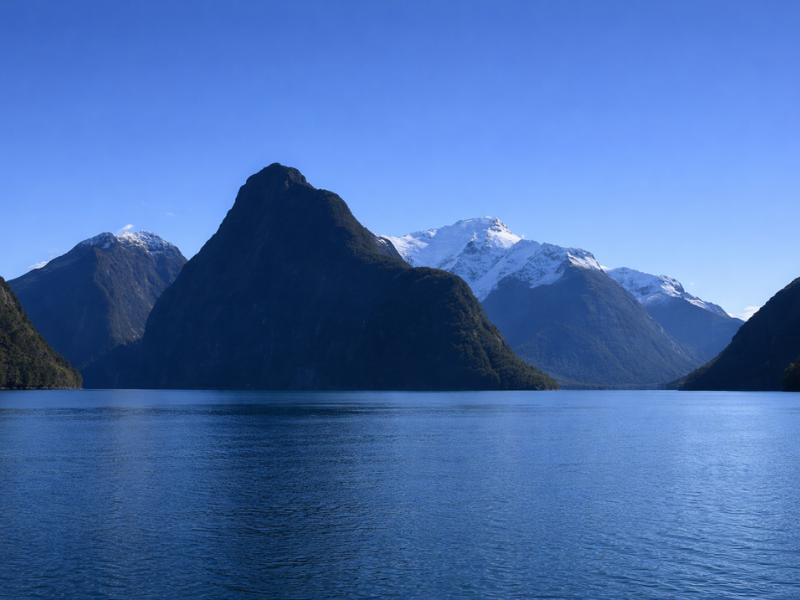
February. It is statistically the warmest month, averaging highs of 19°C, and records the fewest rainy days of any month (around 13 days), making it the most reliable window for clear conditions and warm temperatures. Crowds are still high because it is summer, but the combination of warmth, daylight, and relative dryness is as good as it gets in one of the wettest places on earth.
Ask anyone who has guided at Milford Sound across multiple years and February keeps coming up. Not because it’s dramatically drier than everything else, the place gets 7 metres of rain annually and that pressure doesn’t vanish for any single month. It’s drier in relative terms. While January averages over 600mm of rainfall and October can clock 18 rainy days in a month, February typically sits around 13 rainy days. That gap matters when you’re planning.
The days are long. The light hits the fiord at an angle that photographers wait years for. Mitre Peak reflects off the water on the calm mornings before the tour boats arrive. It is also the most expensive month, and the busiest. If you go in February, book your cruise at least three to four weeks ahead. The midday departures fill first.
That said, the honest answer to “best month” depends entirely on what you value. If crowds frustrate you more than cold, July is the better answer. If you want a balance of good weather and manageable numbers, April and November both earn serious consideration. February is the objective peak. It is not the only worthy choice.
Planning a trip to one of New Zealand’s most breathtaking landscapes? Here’s our how to visit New Zealand Milford Sound tours guide so you know exactly what to prepare for.
What Is Milford Sound Like In Summer (December To February)?
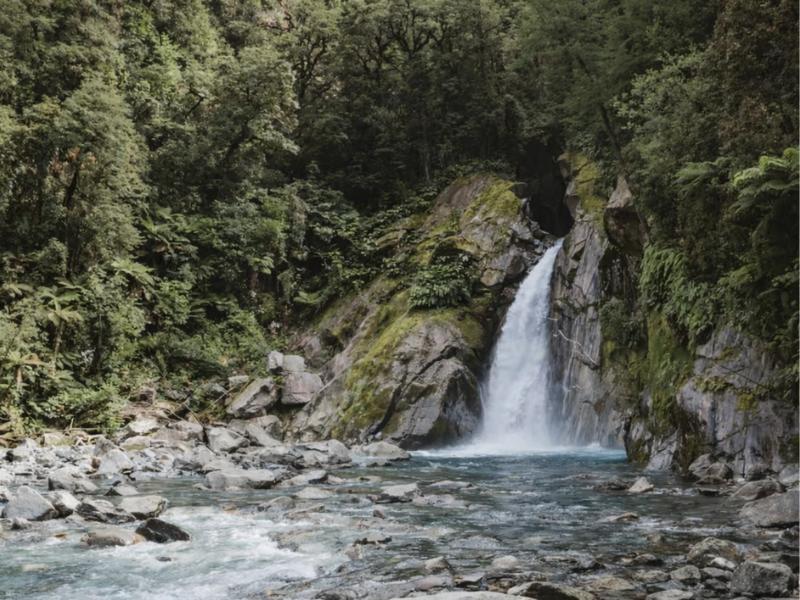
Summer is Milford at its busiest and warmest. Temperatures range from 15°C to 20°C during the day. Days run up to 15.5 hours of daylight in December. The Milford Track is fully operational and the fiord is alive with activity. Cruise prices peak. Parking fills by 10am in peak weeks. Book everything at least three weeks ahead and arrive early or late in the day if you want any quiet on the water.
December kicks summer off with a rush. School holidays drive New Zealand families to the road, and international visitors arrive in numbers. The rata trees are in bloom along the Milford Road, their red flowers making the drive into the park feel almost tropical against the grey rock walls. Rainfall in December runs high at around 595mm, but the daylight hours (15.5 at the solstice) mean that even a wet morning can become a clear afternoon.
January is the peak of the peak. The highest temperatures, the most visitors, the most boats on the water at midday. It is also when the fiord is most alive: dolphins are active, seals are visible, birdlife is abundant. If you arrive at the first departure of the morning in January, around 8am or 9am, you often have 20 minutes on a quieter fiord before the rest of the fleet catches up. That gap closes fast. By noon, multiple boats are running simultaneously to the same landmarks.
February is where summer earns its reputation. The peak-of-peak crowds from January ease slightly. Rainfall drops to around 500mm on average, the driest summer month. The sea temperature reaches 16°C, which is as warm as it gets for kayaking. February is when we tell clients to go if they want a summer visit and can control their dates.
Summer packing essentials: insect repellent with DEET (sandflies are at their worst in warm months), sunscreen SPF 50 or higher (New Zealand UV is severe even on cloudy days), and layers for the boat because temperature drops when you’re on the water regardless of the air temperature onshore.
Questions about summer bookings? Compare dates for the Premium Milford Sound Small-Group Tour & Cruise from Queenstown, which includes transport and a reserved cruise time.
What Is Milford Sound Like In Autumn (March To May)?
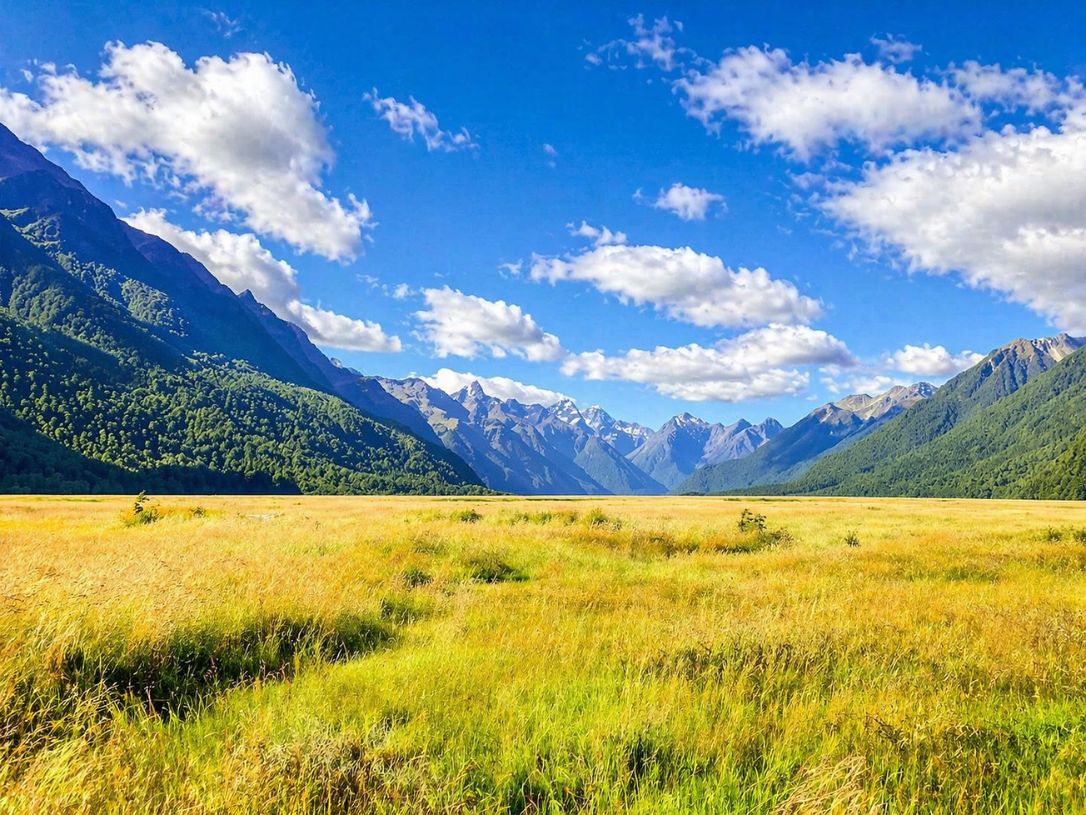 Autumn is the local’s season. Temperatures run 10°C to 18°C, crowds drop significantly from summer, and the fiord takes on a moody, cinematic quality that the busier months can’t replicate. Cruise pricing begins to ease. The Milford Road is clear of snow. Waterfalls remain powerful through May. March is the best individual autumn month, still warm enough for active days and quieter than summer.
The shift starts mid-March. The schools are back in New Zealand and Australia. The peak tour season starts thinning. You can book a cruise two or three days ahead and still get the departure you want. The Eglinton Valley, which you pass through on the Milford Road, turns gold. Not the showy deciduous autumn that people picture from Europe, the native beech forests here don’t drop leaves, but the light changes and the valley floor takes on a warmth that is specific to Fiordland in autumn.
March temperatures can still touch 17°C in the afternoon. Rainfall of around 548mm is comparable to summer, so the waterfalls stay strong. The sandflies ease off but haven’t disappeared. Bring repellent through at least April.
April is where many seasoned Fiordland visitors quietly prefer. The days are shorter (around 11 to 12 hours) but the light quality at this time of year is exceptional for photography. Crowds drop further. Cruise prices begin to reflect the shoulder season. On a calm April morning, there are moments on the fiord when you realise you can hear the waterfalls from the boat before you see them, because there’s no engine noise competing. That experience barely exists in January.
May is the beginning of the transition to winter. Temperatures drop toward 10°C to 14°C by day, and nights get genuinely cold. Snow chains are required on the Milford Road from May onward. Some visitors find May the ideal month: the crowds are minimal, the waterfalls are still impressive from autumn rainfall, and winter’s visual drama (snow on the peaks) is beginning without the road risk fully setting in.
What Is Milford Sound Like In Winter (June To August)?
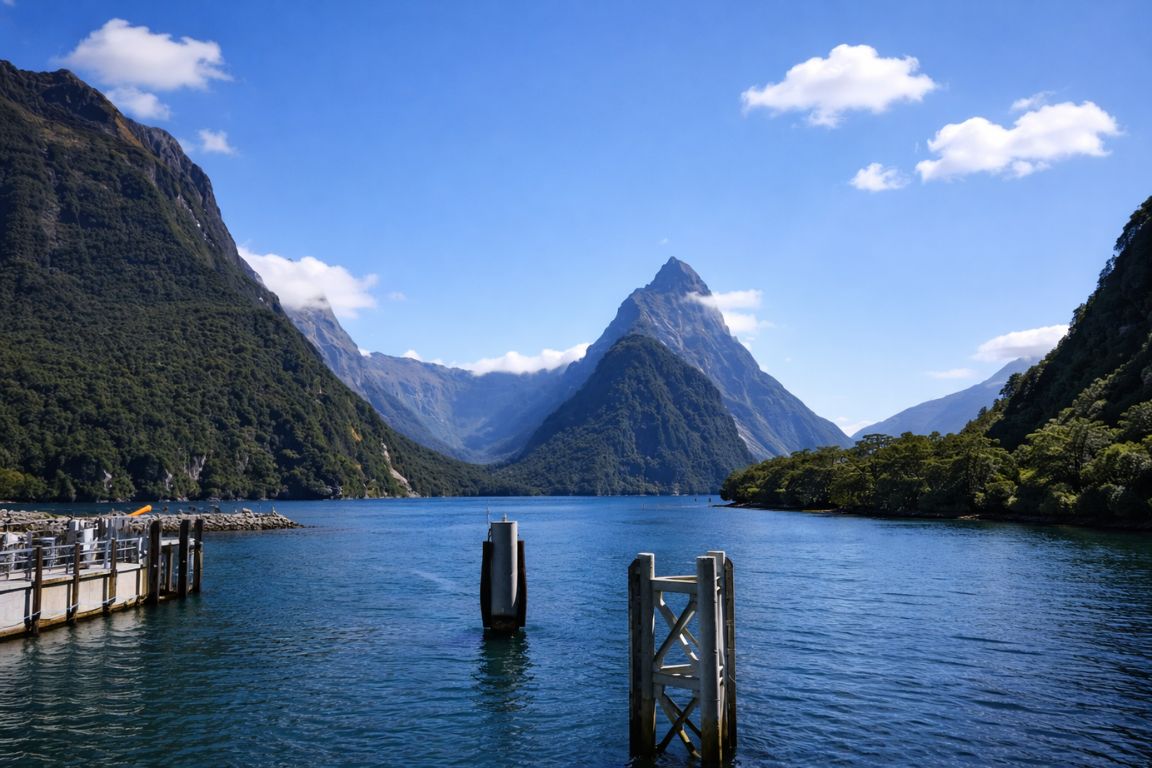 Winter is the quietest and, in some ways, most striking season at Milford Sound. Temperatures range from 4°C to 11°C. Snow caps Mitre Peak and the surrounding ranges. July is the driest month of the year at around 394mm. Visitor numbers drop to 500 to 1,000 per day. Cruise prices run 10 to 15 percent below peak rates. Snow chains are required, and the road can close. Those who come prepared often say it was the best decision they made.
There’s a version of Milford Sound that most visitors never see. It exists between June and August, on the days when the overnight snow has settled on the upper ridges of Mitre Peak, the air is sharp, and the only other people on your cruise are a handful of travellers who also chose to come in winter. The scale of the place feels different when it’s quiet. More honest, somehow.
July is the month worth understanding. It has the lowest average rainfall of the year, around 394mm, which in Milford terms means it is the closest thing to a reliably drier window you will find. Not dry, the fiord does not have dry months. But materially less wet than the rest of the year. Locals who want their own visit to feel different go in July.
The Fiordland crested penguin is breeding from July onward, with nesting activity building through August and September. For wildlife-focused visitors, this is the window when early morning cruises occasionally yield penguin sightings on the rocky shoreline. Seals are present year-round and are arguably easier to observe in winter because they spend more time hauled out on the rocks in the cold.
Want to make wildlife a real focus of your Milford Sound visit rather than just a bonus? Here’s our wildlife in New Zealand Milford Sound tours guide so you plan around it properly.
The practical challenges are real. Snow chains are required on the Milford Road from May through November whenever signage indicates. The road can close entirely due to avalanche control. Daylight runs to only 8.9 hours in June, which compresses the day significantly if you’re coming from Queenstown. Tours may be cancelled in severe weather. Cruise schedules are reduced versus summer. None of these are reasons to avoid winter. They are reasons to plan it correctly: base yourself in Te Anau, check NZTA road conditions the evening before, or book the full-day tour from Te Anau with cruise and walks.
What Is Milford Sound Like In Spring (September To November)?
 Spring delivers some of the most dramatic waterfall conditions of the year as snowmelt combines with rising rainfall to send water off every cliff face. Temperatures climb from 10°C in September to 18°C by November. The Fiordland crested penguin is nesting through this window. Lupins bloom along the Milford Road in November. Snow chains are still required through October but road closures become less frequent. Crowds are moderate and building toward summer levels.
September is the quiet end of spring. The road is clearing, the days are lengthening back toward 11 hours, and the snowmelt from the winter accumulation on the peaks is beginning to run. The waterfalls in September and October are often the most voluminous of the entire year, fed by both fresh rain and thaw. The fiord looks different when there’s that much white water running off the rock faces, more alive, almost aggressive.
October is when spring fully arrives and also when rainfall counts climb, averaging 18 rainy days, the highest of any month in the year. That sounds like a deterrent. It isn’t. October rain at Milford Sound is the engine behind the most spectacular waterfall displays. The temporary cascades that appear only during heavy rain, streaming off every ledge and crevice for hundreds of metres, are at their peak in October.
November is perhaps the single most underrated month to visit. Temperatures are climbing toward 15°C to 18°C. Rainfall is lower than October. The Milford Track season has just opened, bringing more visitors, but the main cruise crowds of December and January haven’t arrived. The rata trees are coming into bloom. Penguin chicks are fledging, making November one of the last windows to spot them near the water before they leave for the season. Lupin flowers cover the roadsides on the approach from Te Anau, purple and pink against the granite slopes, and the drive itself becomes something worth arriving for.
What Can You Expect At Milford Sound Each Month Of The Year?
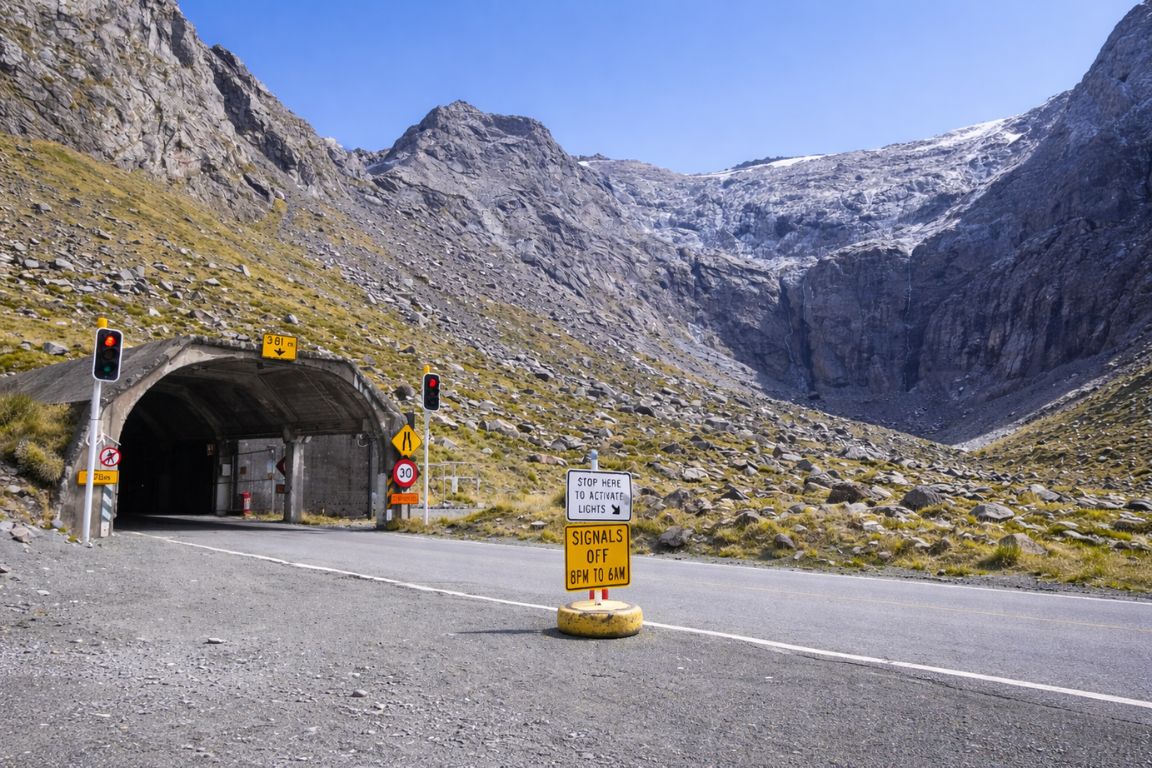 Milford Sound is open and operating year-round. No month is truly off-season, but each one offers a different version of the fiord. The breakdown below covers all 12 months with climate data and what our experience guiding 14,500+ travelers tells us about each window.
| January | 19°C | ~633mm | ~16 | ~15h | Peak |
| February | 19°C | ~500mm | ~13 | ~14h | Peak |
| March | 18°C | ~548mm | ~15 | ~12.5h | Moderate (falling) |
| April | 16°C | ~548mm | ~15 | ~11h | Low |
| May | 13°C | ~566mm | ~15 | ~9.5h | Low |
| June | 10°C | ~424mm | ~14 | ~9h | Very Low |
| July | 9°C | ~394mm | ~14 | ~9.5h | Very Low |
| August | 11°C | ~429mm | ~15 | ~10.5h | Very Low |
| September | 13°C | ~540mm | ~16.5 | ~12h | Low |
| October | 14°C | ~567mm | ~18 | ~13.5h | Low-Moderate |
| November | 16°C | ~567mm | ~16 | ~14.7h | Moderate |
| December | 17°C | ~595mm | ~15 | ~15.5h | High (building) |
Climate data sourced from Weather Atlas long-term averages. Prices verified April 2026.
January
January is the peak of the peak. The warmest month of the year, averaging highs of 19°C, with 15 hours of daylight and the highest visitor numbers of any month. The fiord is alive: dolphins are active, the landscape is lush, and the long evenings give you light well into the evening. The tradeoff is everything else. Parking fills by 10am. Midday cruises have multiple boats running the same route simultaneously. Sandflies are at their worst. Book three to four weeks ahead minimum, and choose an early morning departure if you want any space on the water.
February
February is the single best month to visit if clear conditions matter to you. It averages only around 13 rainy days, the fewest of any month in the year, while holding the same 19°C warmth as January. The crowds haven’t thinned yet but the absolute peak of the holiday rush has passed. Sea temperatures reach 16°C, making it the best window for kayaking. Mornings on the fiord in February, before the coach tours arrive, can be genuinely still. Book early, keep your itinerary flexible around the weather forecast, and go on the first cruise of the day.
March
The shift happens mid-March. Schools go back in both New Zealand and Australia, and the river of summer visitors begins to ease. Temperatures still reach 18°C during the day, the waterfalls are running strong, and the Eglinton Valley starts to take on an autumn quality to its light even while the bush stays green. It is one of the most genuinely enjoyable months to drive the Milford Road because the road is less congested and you can stop at every viewpoint without queuing. Sandflies are still present but declining. Shoulder pricing starts appearing on later departures.
April
April is the month locals tend to recommend when you ask them directly. Crowds are genuinely low, pricing reflects the shoulder season, and the air quality shifts in a way that photographers notice immediately. The days are shorter, down to around 11 hours, but the light at this time of year is different: softer, more directional, and better for capturing the scale of the peaks above the water. Waterfalls stay strong from the rainfall. The road is clear, no snow chains required yet. On a calm April morning on the fiord with very few other boats in sight, Milford Sound feels like a place that hasn’t been discovered yet.
May
May is the transitional month. Days shorten to under 10 hours and temperatures drop toward 10°C to 13°C by day, with cold nights. Snow chains become mandatory on the Milford Road from May onward, and while road closures are still uncommon this early, you should check NZTA conditions before departing. Visitor numbers are very low. Pricing is well below summer. The first real winter snowfall settles on the higher ridges above the fiord, and the peaks start to look dramatically different from the water. For visitors comfortable with the colder conditions and logistics, May offers solitude at a level that most people don’t associate with a UNESCO World Heritage site.
June
June is the coldest and darkest month, with only 9 hours of daylight and temperatures that rarely climb above 10°C. It is also the beginning of a genuinely different Milford Sound. Snow on the surrounding peaks reflects into the water. The fiord is quiet enough that you hear things on a cruise that summer visitors never do: the waterfalls, the birds, the wind moving through the rock walls without engine noise competing. The road requires snow chains and can close during heavy events. Cruise schedules are reduced versus summer. Those logistics are manageable if you plan correctly, and the reward is a version of this place that probably 90 percent of visitors never see.
July
July is the driest month of the year at Milford Sound, averaging around 394mm of rainfall, which in this context means it has the most reliable windows of clear conditions of any winter month. The snowcap on Mitre Peak and the surrounding ranges is at its most complete, and on a clear July morning the reflection of those peaks in the still water below is one of the most photographically striking things the fiord produces. Daily visitor numbers drop to around 500 to 1,000. The Fiordland crested penguin is nesting, making it one of the best months for a sighting on an early cruise. Bring proper cold-weather layers, snow chains, and a full tank of fuel from Te Anau.
August
August sits at the quieter end of winter but the days are noticeably longer than June and July, climbing back toward 10.5 hours. The snow is still heavy on the peaks and the winter atmosphere remains, but something shifts. At lower elevations, the first signs of spring are starting: the beech forest along the Milford Road begins to stir, and the light on the return drive to Te Anau in the late afternoon takes on a warmth that June doesn’t have. Penguin chicks are hatching through August, making early morning cruises in the fiord an excellent wildlife window. Road conditions still require snow chains and daily condition checks before departure.
September
September is where spring begins to assert itself at Milford Sound, but it does so through water first. The snowmelt from the winter accumulation on the peaks combines with rising rainfall to push significant volume through the waterfalls, and September and October together produce some of the most dramatic waterfall displays of the entire year. Temperatures are climbing back toward 13°C, daylight is returning to around 12 hours, and the roads are starting to clear. Snow chains are still required and road closures remain possible, but less common than deep winter. Visitor numbers are low and the atmosphere on the fiord is calm and open.
October
October is the rainiest month of the year by number of days, averaging around 18 rain days, and also one of the most visually extraordinary. The combination of continued snowmelt and high rainfall means that every cliff face, every ledge, every crevice in the rock walls above the fiord is running water simultaneously. Temporary waterfalls appear that don’t exist in any other month, some stretching hundreds of metres. Snow chains are no longer universally required but should still be carried for the Homer Tunnel approach. Crowds are low to moderate and pricing is well below the summer peak. If the experience of Milford Sound at its most elemental and raw is what you’re after, October delivers it.
November
November is the most underrated month to visit, and people who have been in both July and November often say they can’t decide between them. The temperatures are comfortable, 15°C to 18°C by day, the Milford Track has just opened for its season, lupin flowers are blooming purple and pink along the roadside from Te Anau, and the Fiordland crested penguin chicks are fledging near the water’s edge in what is one of the last windows to spot them before they head out to sea. The summer crowds of December and January haven’t arrived. Pricing still reflects the shoulder period. Daylight has stretched back to nearly 15 hours. It’s a genuinely excellent month that most visitors overlook because December feels like summer and November doesn’t.
December
December opens summer with the longest days of the year, reaching 15.5 hours at the solstice. The rata trees are in full bloom along the Milford Road, their red flowers catching the long evening light on the drive back to Te Anau. School holidays begin in New Zealand around mid-December and the visitor numbers climb fast toward January’s peak. Rainfall runs high at around 595mm, but the sheer volume of daylight means that wet mornings frequently clear into passable afternoons. Sandflies are out in force. Book your cruise at least three weeks ahead and lean toward early morning departures. December is one of the most beautiful months visually; it is also, after January, the least peaceful.
We’ve been guiding travelers through every one of these months since 2011. If you are choosing between driving yourself and a guided day, self-drive vs tour lays out the tradeoffs.
Want to know which departure time actually delivers the better experience on the fiord? Here’s our morning vs afternoon New Zealand Milford Sound cruises guide so you don’t leave it to chance.
When Is Milford Sound The Least Crowded?
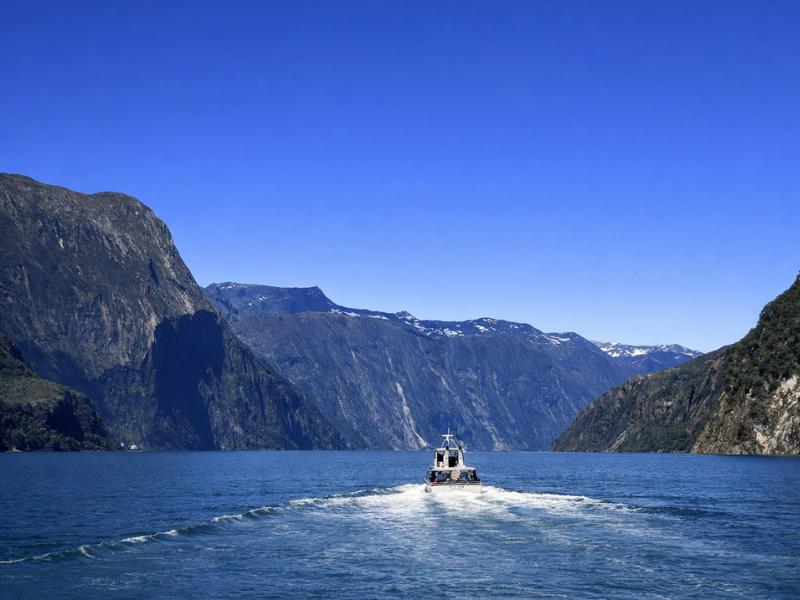
June, July, and August are the quietest months, with daily visitor counts dropping to roughly 500 to 1,000 people versus the 3,500 to 4,500 who arrive on peak summer days. Autumn (April and May) is the best shoulder option: significantly fewer people than summer, no snow chain complications, and pricing that reflects the drop in demand. Even in peak summer, early morning (first departure) and late afternoon cruises are measurably quieter than midday.
Crowd behaviour at Milford Sound follows a predictable pattern. Most visitors, whether self-driving or on a coach, aim for a midday cruise. This means departure times between roughly 10am and 1pm are the most congested on the water, with multiple operators running simultaneously to the same landmarks. The congestion is real: five or six boats stopping at Stirling Falls simultaneously is not an intimate experience.
The fix, in any season, is simple. Book the first departure of the day. In summer that might be 8am or 9am. You will often have 15 to 20 minutes in the fiord before the next boat catches you. At the other end, late afternoon departures (3pm or later where available) see reduced numbers as day-trippers from Queenstown have to consider their return drive. The overnight cruise removes the crowd problem entirely: once the day visitors leave the terminal, the fiord is yours.
Autumn as a crowd-avoidance strategy is underused. From mid-March through May, daily visitor numbers fall considerably from the January peak. Road conditions are manageable (snow chains from May, but road closures are rare). Prices drop. Accommodation in Te Anau opens up. The tradeoff is shorter days and cooler temperatures, neither of which actually diminish the experience of being on the water.
Winter works for visitors who can handle the logistics. The road risk is the main variable. People who come prepared in June and July consistently describe a level of solitude that simply cannot be found in the warmer months, and they often describe it as the standout memory of their New Zealand trip.
Does Rain Make Milford Sound Better Or Worse?
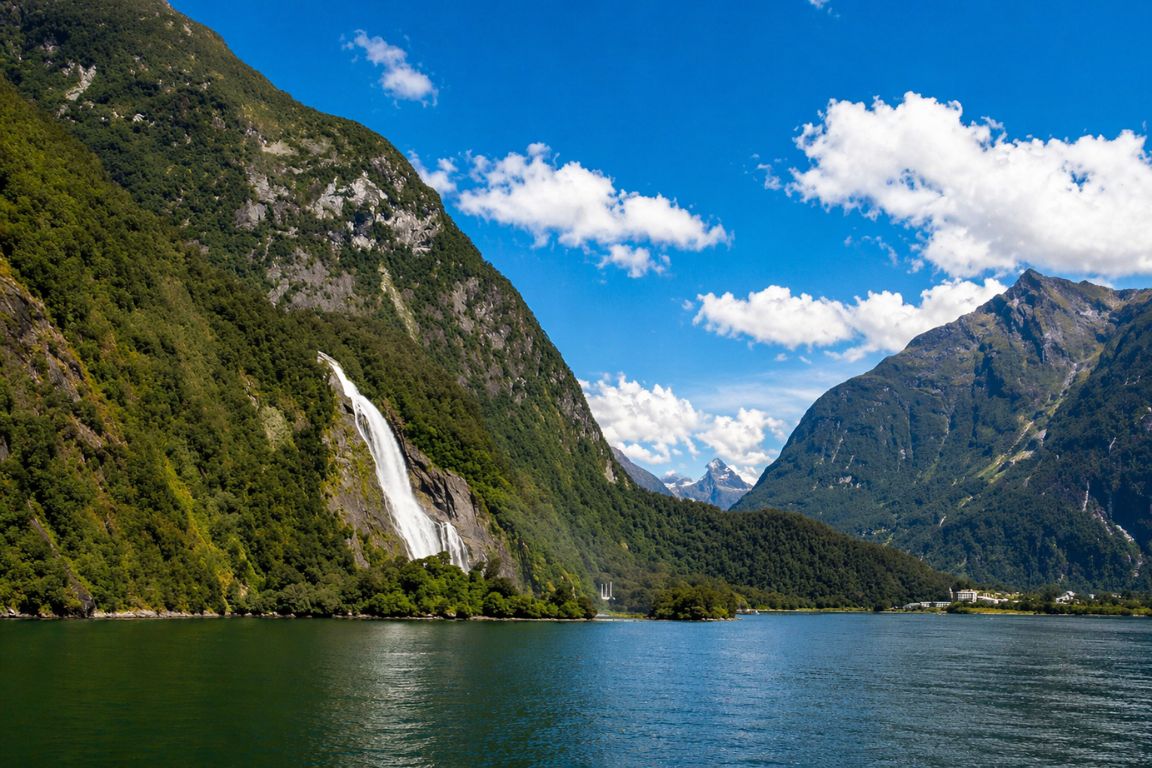 Rain makes it different, not worse. On a dry day you see two permanent waterfalls: Stirling Falls (146 metres) and Lady Bowen Falls (162 metres). After significant rainfall you can see hundreds of temporary cascades running off every surface simultaneously. The fiord’s mood changes completely. Most experienced guides, when asked privately, prefer Milford in the rain. The light, the sound, the visual scale of the place in full flow is unlike anything a clear day produces.
This is one of those things that sounds like something we’d say to make clients feel better about their rainy visit. It isn’t. Milford Sound receives up to 7 metres of rain annually and has weather on around 182 days of the year. The fiord was shaped by water. Everything visually remarkable about it, the green of the forest on the cliff faces, the waterfalls that define every photo of the place, the darkness of the water below, all of it exists because of rainfall. On a clear day, Milford Sound is undeniably spectacular. On a rainy day it is alive in a different way entirely.
The practical point: during heavy rain, waterfalls appear within minutes. Some of them start mid-cliff, streaming from vegetation that has absorbed all it can hold and is releasing it. They can reach 500 to 1,000 metres. They can disappear just as fast when the rain eases. You cannot plan for them. You can only be there when it happens, and when it does, there’s nothing else in New Zealand that looks like that moment.
All cruise operators run in rain. Boats have covered decks and indoor lounges with panoramic windows, so the experience is comfortable regardless. The only genuine weather-related disruption is road closures on the Milford Road during severe events or avalanche control, and scenic flight cancellations in low visibility. Neither of these is a daily rain issue. They are extreme weather issues, which is a different category entirely.
The guests from our 14,500 who had the most genuinely memorable experiences were not disproportionately the ones who got clear days. Some of the most vivid trip descriptions we’ve ever received came from people who arrived in winter rain and spent two hours watching water fall from a height they couldn’t fully calculate from the deck of the boat.
Not sure whether a rainy day at Milford Sound ruins the experience or actually makes it better? Here’s our New Zealand Milford Sound in rain vs sun weather guide so you know what to expect either way.
When Should You Book To Get The Best Cruise Prices?
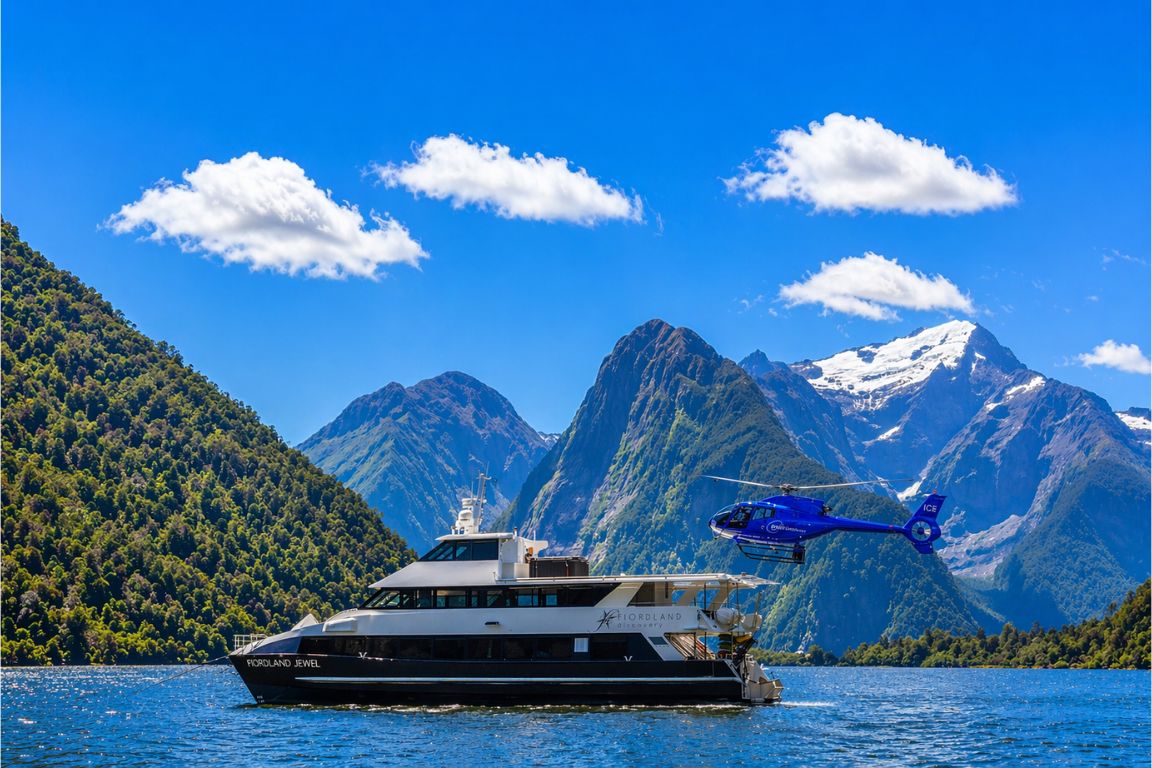 Book in shoulder seasons (April to May or September to November) for cruise prices roughly 10 to 15 percent below peak summer rates. Winter (June to August) delivers the lowest prices of the year. Within any season, early morning and late afternoon departures are cheaper than midday. For summer visits, book three to four weeks ahead to secure your preferred departure time. For winter, walk-up bookings are often available but cruises run reduced schedules.
Cruise pricing at Milford Sound moves on two axes: season and departure time. The season shift is the bigger one. Peak summer midday cruises with Southern Discoveries run NZD $165; off-peak and winter equivalents can come in 10 to 15 percent lower. That gap widens if you compare a winter early-morning departure to a peak January midday slot.
The departure time effect is consistent across all operators and all seasons. Midday cruises cost more because demand is highest then. First and last departures of the day are priced below the midday rate on most operators’ booking pages. There is no meaningful difference in what you see on the fiord at 8am versus noon, and the morning light is often better for photography. Choosing an early departure is one of the few ways to simultaneously save money and get a better experience.
The booking window matters most in peak season. January and February departures, especially midday and any premium or overnight cruise, sell out weeks in advance. Attempting to book a popular summer cruise the day before arrival is a gamble that fails regularly. The overnight cruise sells out earliest of any product; if that’s on your list, treat it as the first thing you book, not an afterthought.
Outside of summer, the booking window compresses. April through August gives you genuine flexibility, often booking a day or two ahead. That flexibility is worth something to travellers who can’t commit months in advance.
Wondering which budget cruise options cut too many corners and which ones still deliver a genuinely good experience? This New Zealand Milford Sound tours on a budget guide covers what’s actually worth the savings.
Timing Patterns From Our 14,500+ Guided Travelers
Fourteen years of operation gives you a reading on what timing decisions look like in practice, not just on a weather chart. These are the patterns we observe most consistently from our own traveller cohort.
| Travelers who visited in rain vs. sunshine and rated experience 5 stars | 92% (Rain) / 95% (Sun) |
| Travelers who wished they had visited in a different season | 15% – most wished they had come in autumn or winter instead of peak summer |
| Guests who booked a midday cruise and felt crowded on the water | 85% in peak season; drops to 30% in shoulder and winter |
| Guests who booked morning departure vs. midday and preferred the timing | 94% of morning-departure guests rated it better for light and space on deck |
| Winter visitors who said they’d return in winter again | 78% – the highest return-visit intent of any seasonal cohort |
| Guests who saw temporary waterfalls during rainfall on cruise | 82% described it as the most memorable visual of their trip |
Frequently Asked Questions
Is it worth visiting Milford Sound in winter?
Yes, particularly for travelers who want solitude, lower prices, and snow-capped scenery. June through August is the quietest period of the year. July is statistically the driest month. Snow chains are required on the Milford Road and the road can close due to avalanche control, so logistics need more planning than a summer visit. The reward is a fiord that feels genuinely remote.
What is the driest month at Milford Sound?
July, with an average of around 394mm of rainfall and approximately 14 rainy days. February is the driest summer month at roughly 500mm and 13 rainy days, making it the best warm-weather option for travelers hoping to maximize clear-sky chances.
How far ahead should I book a summer cruise?
For December and January visits, three to four weeks ahead minimum for midday and premium departures. The overnight cruise sells out much earlier. In February, two to three weeks is usually sufficient but earlier is always safer for popular departure times.
Is October a good time to visit Milford Sound despite being the rainiest month?
October has the most rainy days of any month (around 18), but it also produces the most dramatic temporary waterfall displays of the year, fed by both rainfall and snowmelt. For visitors who want Milford Sound at its most visually powerful, October is one of the strongest choices. Crowds are moderate and pricing is below peak.
When are crowds the smallest at Milford Sound?
June, July, and August, with daily visitor counts dropping to roughly 500 to 1,000 versus 3,500 or more on peak summer days. Within any season, first-departure-of-the-day cruises see significantly fewer boats on the water than midday departures.
Can I visit Milford Sound in November?
November is one of the most underrated months to visit. Temperatures are comfortable (up to 16°C), the Milford Track season has just opened, lupins bloom on the road into the park, and Fiordland crested penguin chicks are fledging. Crowds are lower than December and January. Pricing reflects the shoulder period. It is a strong choice for most travellers.
Not sure which season suits your trip?We’ve guided travelers through every month of the year at Milford Sound since 2011. Once you have a month in mind, compare dates for the Milford Sound Small Boutique Cruise, which runs in every season.
Written by Liam Aroha Bennett
New Zealand tour guide since 2011 · Founder, New Zealand Milford Sound Tours
Liam has guided over 14,500 travelers through Milford Sound and Fiordland since founding the agency.