Is Milford Sound One Of The Wonders Of The World?
The phrase turns up on brochures, road signs and half the search results about the place. It has a traceable origin, it is not an official designation, and the recognition Milford Sound does hold is arguably more meaningful.
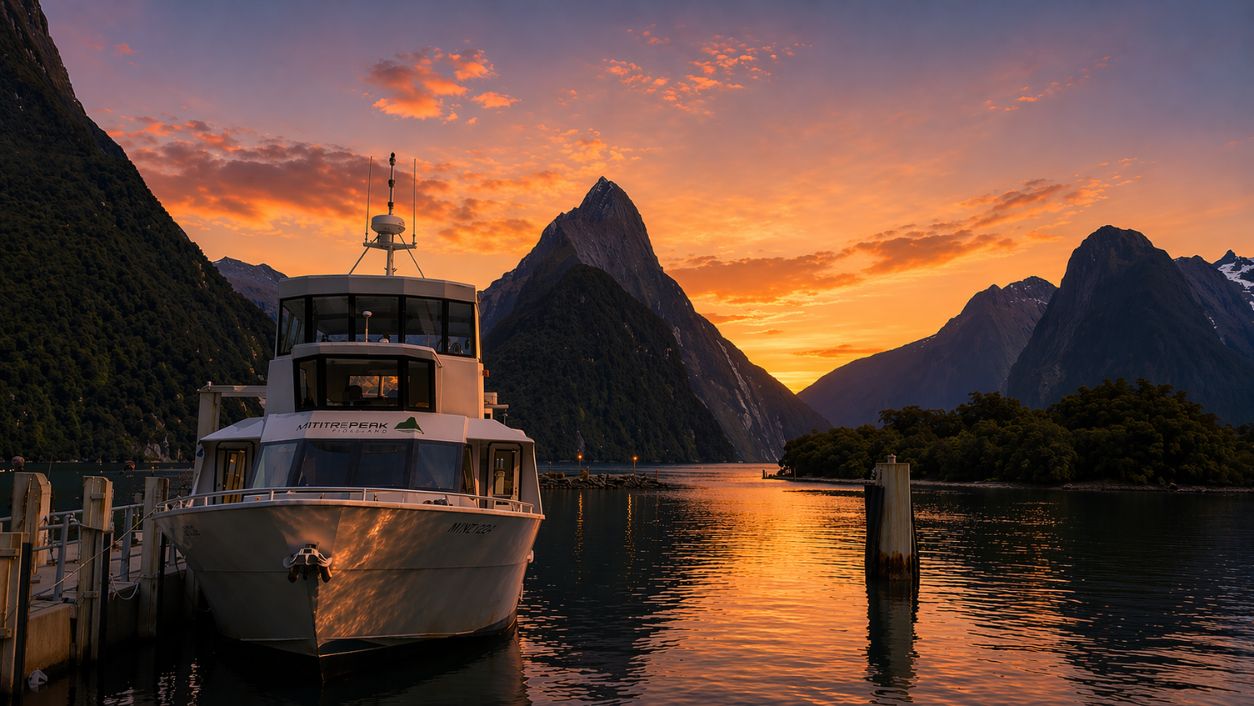
Milford Sound is not on any official list of world wonders, because no such authoritative list exists for natural sites. The eighth wonder description is usually credited to Rudyard Kipling and has been repeated in tourism material for more than a century. It is a compliment, not a designation.
The verified status is the UNESCO World Heritage listing. The useful visit is still from the water, planned as a landscape with changeable weather rather than as a guaranteed spectacle.
Your Milford Plan
- Milford Sound is not on an official wonders list, and no such natural-site list is administered.
- The assessed recognition is Te Wahipounamu, inscribed as a UNESCO World Heritage Area in 1990.
- See the fiord from the water, and check your actual travel date before arranging the rest of the trip.
What the fiord does hold is a formal international listing. Fiordland National Park forms part of Te Wahipounamu, inscribed as a UNESCO World Heritage Area in 1990, which is a real and assessed status rather than a marketing line.
Where Does The Eighth Wonder Phrase Come From?
It is attributed to Rudyard Kipling, who travelled widely and wrote about the places he visited. The attribution is repeated so consistently in New Zealand tourism material that it has become part of the fiord's identity, whatever its exact provenance.
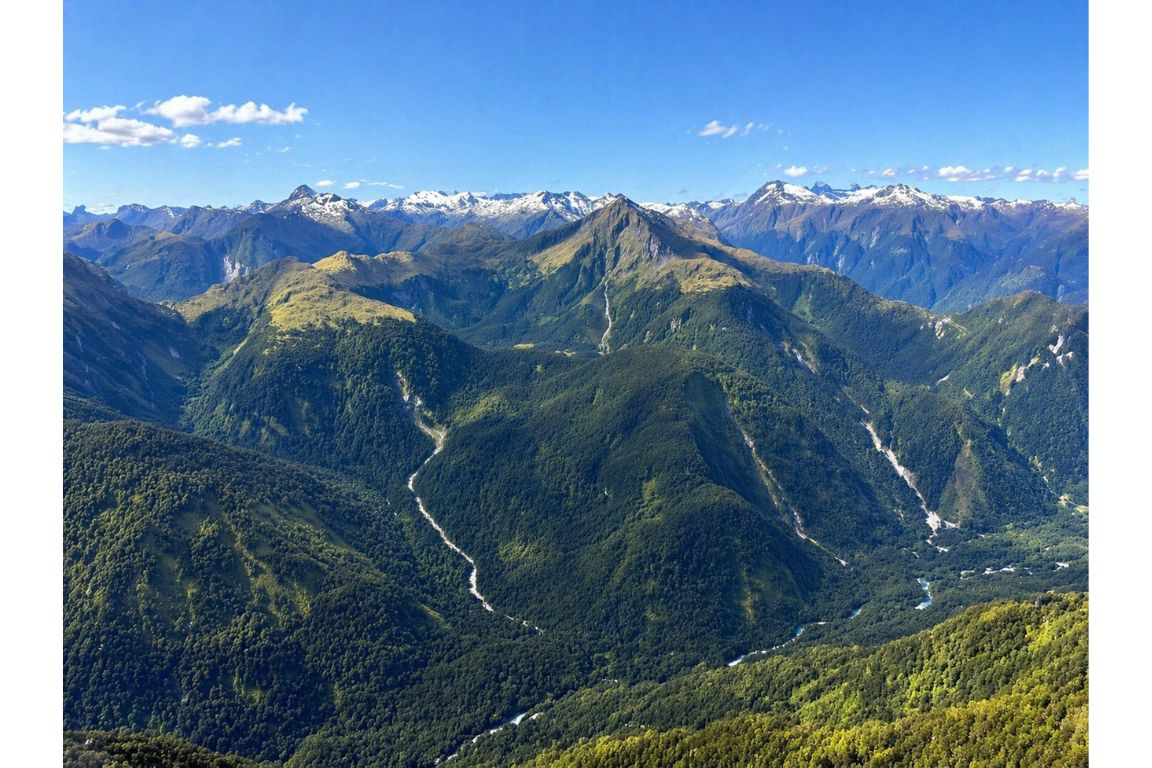
The phrase itself has been applied to dozens of sites worldwide over the last two centuries. It signals enthusiasm rather than membership of anything. Nobody administers it and nothing is required to claim it.
Are There Official Wonders Of The World?
The only classical list is the Seven Wonders of the Ancient World, which covered constructed monuments around the Mediterranean, almost all now destroyed. Modern lists such as the New7Wonders campaigns are privately run public votes, not designations by any international body.
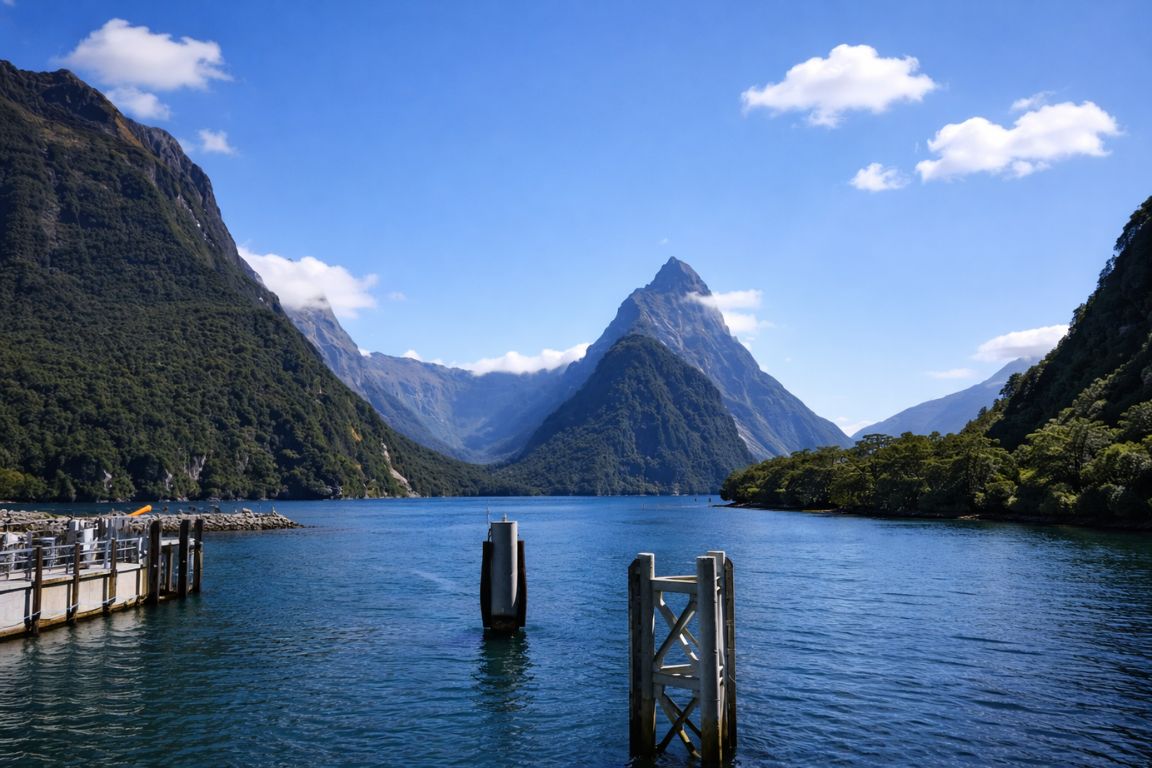
| List | What it is | Does Milford Sound appear? |
|---|---|---|
| Seven Wonders of the Ancient World | Classical list of built monuments | No, it predates any knowledge of New Zealand |
| New7Wonders campaigns | Privately organised global public votes | No |
| UNESCO World Heritage | Assessed international listing under a treaty | Yes, as part of Te Wahipounamu, listed 1990 |
What Does The World Heritage Listing Actually Recognise?
Te Wahipounamu was inscribed for its landforms and its biology: glacial landscapes still being shaped, and plant and animal lineages that trace back to the ancient supercontinent of Gondwana. It covers four national parks across the southwest of the South Island.
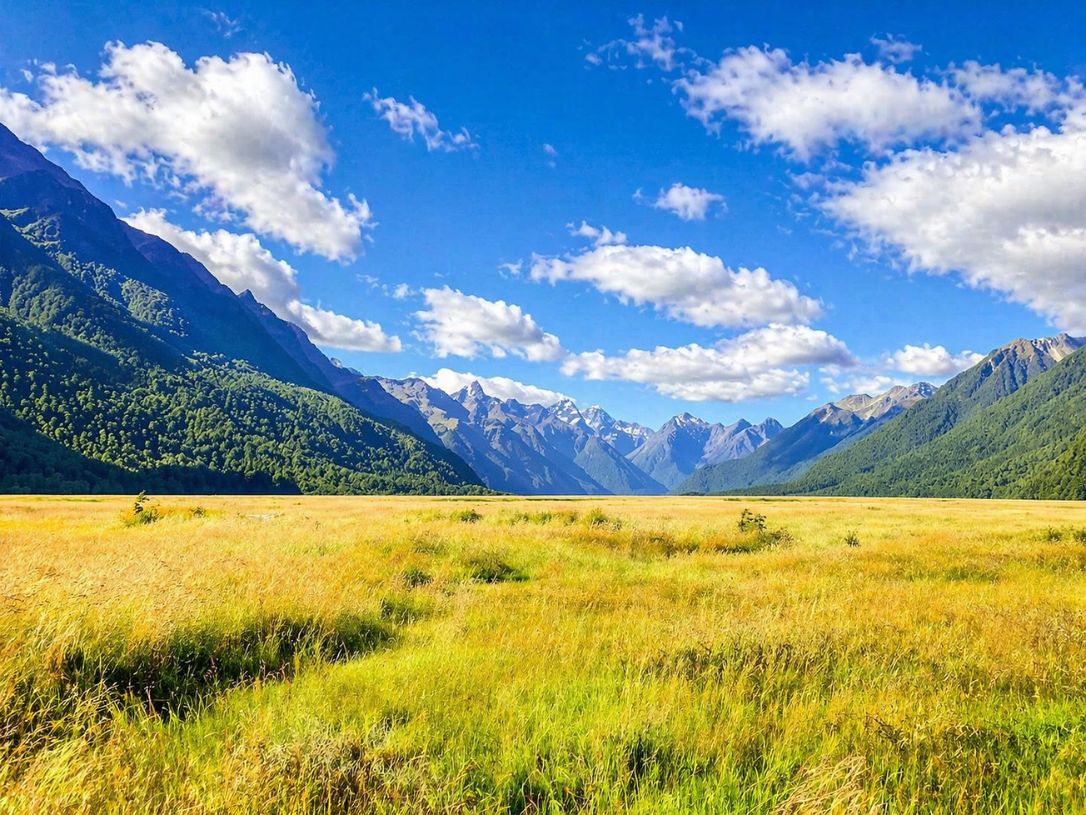
That is a stronger claim than any wonder list, because it was assessed against published criteria rather than voted on. The area is roughly a tenth of New Zealand's land, and Fiordland is the largest part of it.
Does The Hype Set Expectations Too High?
Sometimes. Visitors arriving expecting a wonder occasionally find low cloud, a full car park and a two-hour boat trip, and feel short-changed. The fiord is genuinely remarkable, but it is a landscape rather than a spectacle staged for arrival.
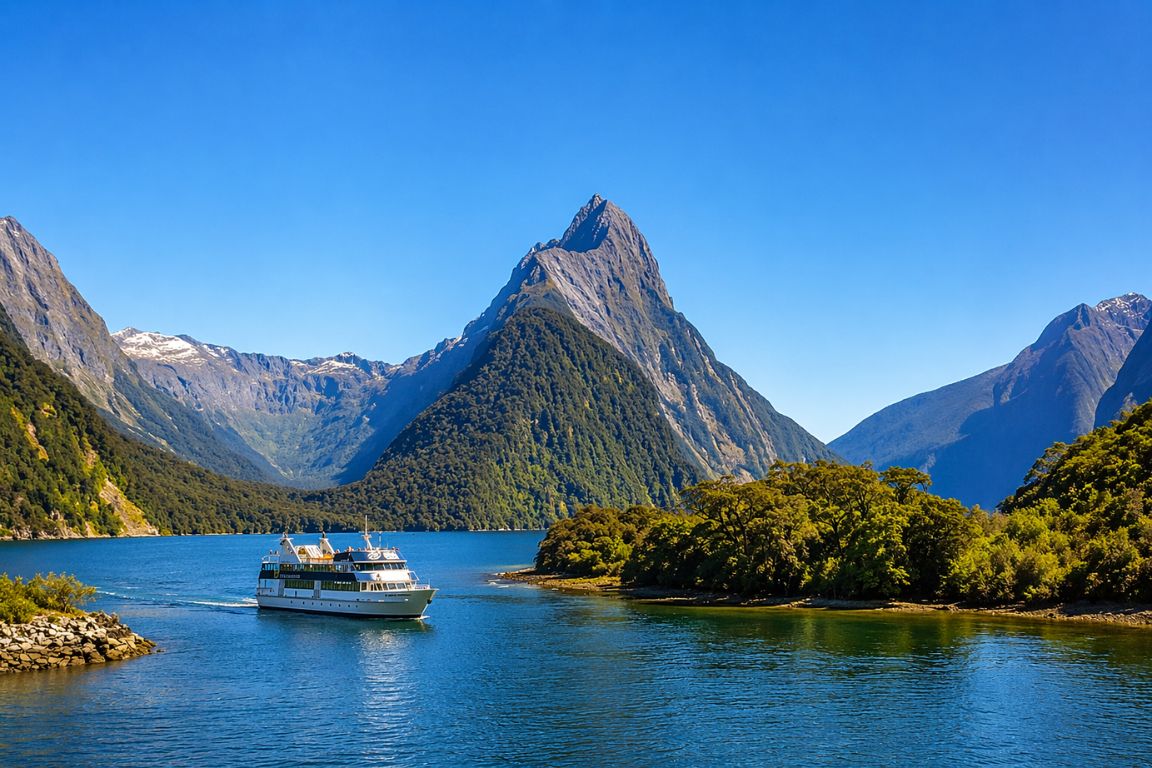
The realistic framing helps. It is a deep glacial fiord with vertical walls and heavy rainfall, best seen from the water, ideally outside the midday rush and ideally with recent rain to bring the waterfalls out. Set up that way, it usually exceeds expectations rather than falling short of them.
Is It The Best Fiord In New Zealand?
The most famous and the most accessible, certainly. Doubtful Sound is larger and quieter, and some visitors prefer it for exactly that reason. Milford wins on drama and on the fact that you can drive to it.
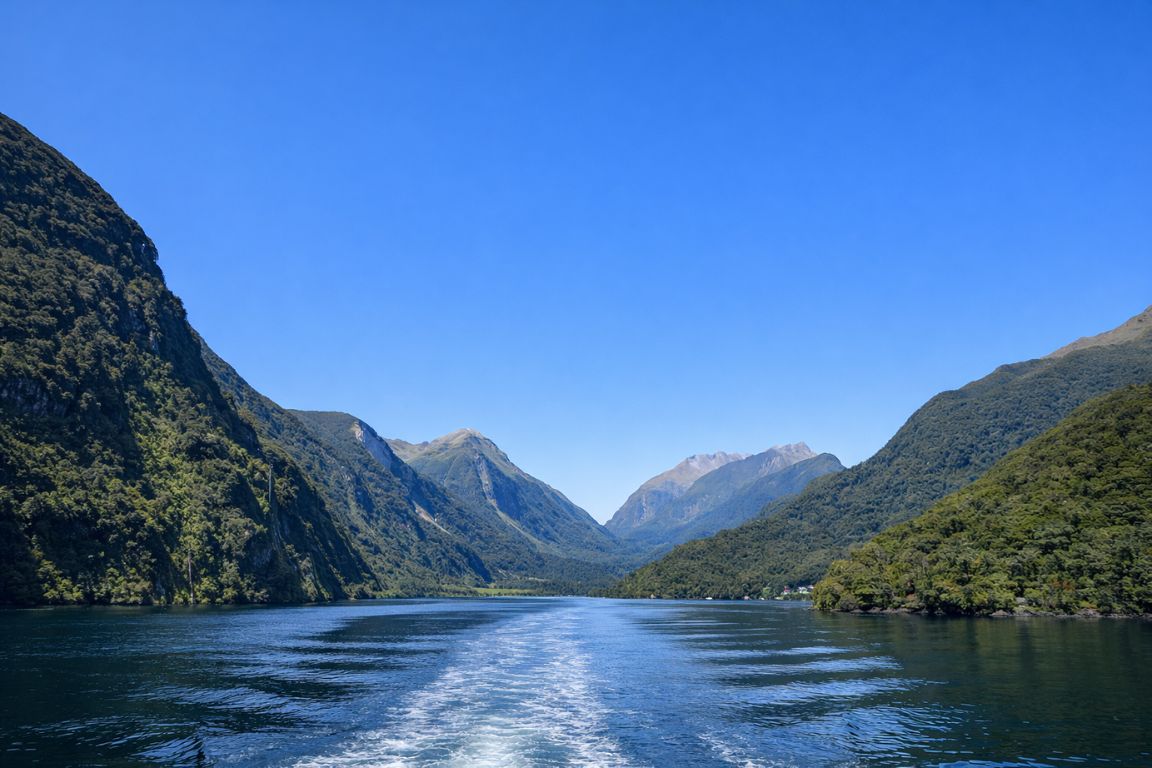
If you have time for both, they complement each other. If you have time for one and want the classic view of vertical rock and waterfalls, Milford is the one people mean when they talk about New Zealand fiords.
What Did Kipling Actually See?
He travelled through New Zealand in the 1890s, when reaching Milford Sound meant arriving by sea or walking in over the passes. There was no road, no terminal and no day-trip industry, so whatever prompted the phrase was a considerably harder-won view than the one visitors get now.
That context is worth keeping. The reputation was built by people who spent days getting there, in an era when the alternative to a fiord was another week at sea. A two-hour cruise reached by coach is a different proposition, and it is remarkable that the place still lands.
What Other Superlatives Get Attached?
Several, and most are marketing rather than measurement: the world's best walk for the Milford Track, the eighth wonder for the fiord, the finest anything for the region. None is administered by anybody. The one verifiable claim is the UNESCO listing.
| Claim | Status |
|---|---|
| Eighth wonder of the world | Attributed to Kipling, no official list exists |
| The finest walk in the world | A line from an 1908 newspaper article about the Milford Track |
| Te Wahipounamu World Heritage Area | Real: UNESCO listing 551, inscribed 1990 |
| Wettest inhabited place | Among the wettest; around 7 metres of rain a year |
Does Any Of This Matter To A Visitor?
Only in setting expectations. A place billed as a wonder invites comparison with staged spectacle, and Milford Sound offers none: no viewing platform built for the photograph, no guaranteed conditions, no show. It is weather and rock.
Approached as a landscape rather than an attraction, it tends to exceed expectations. Approached as a wonder that owes you a clear day, it occasionally disappoints, and the disappointment is really about the billing rather than the fiord.

Check Flight Timing Before You Build The Queenstown Day The five-hour fly-cruise-fly itinerary pairs return scenic flights with a fiord cruise, reducing the road commitment while retaining time on the water.
Scheduled dates load here. Confirm availability and final price on Viator.
Viator scheduled departures, not confirmed inventory for your party. Select the same date on Viator to confirm availability and final price.
This recommendation does not fit your selected itinerary. Adjust your choices at the end to see other options.