How Difficult Is The Drive To Milford Sound?
The Milford Road is not a difficult drive in the way people fear. It is sealed, well maintained and driven by thousands of vehicles daily in summer. What it is instead is long, slow, and unforgiving of the assumption that a mountain road behaves like a motorway.
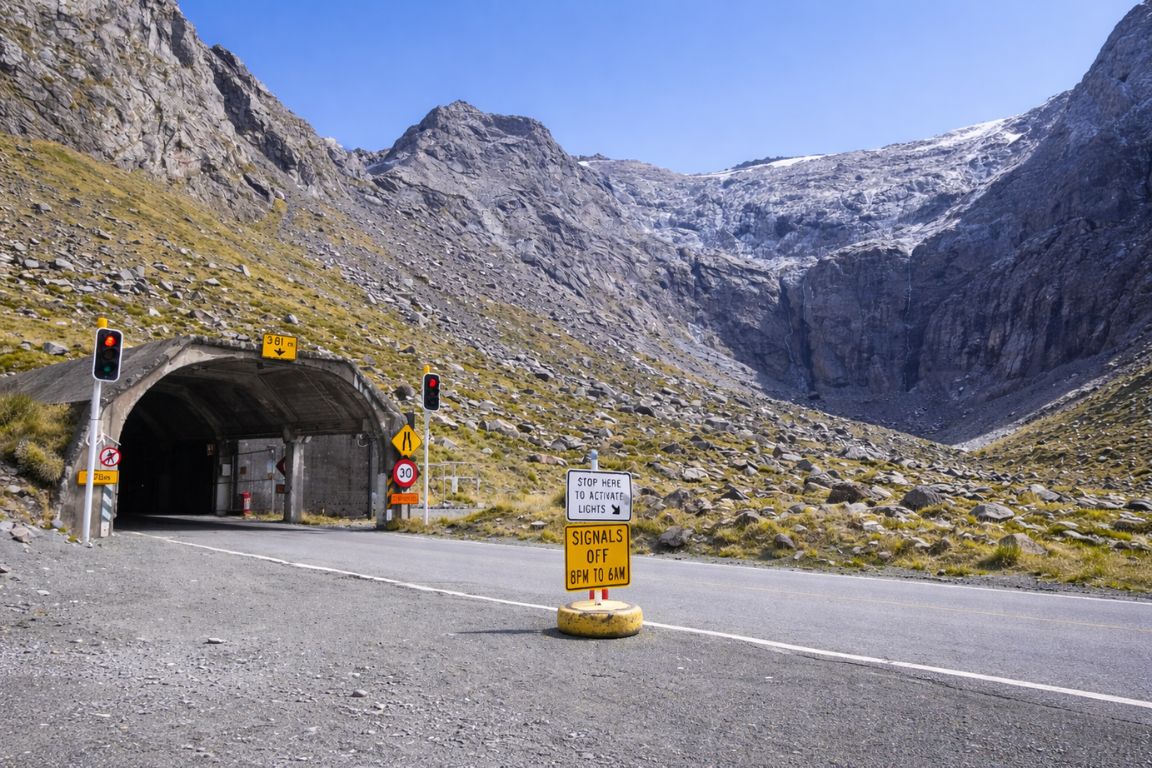
The drive is not technically difficult. State Highway 94 is sealed the whole way to the terminal and requires no special vehicle in summer. The challenges are length, slow going, alpine weather, a single-lane tunnel, no mobile coverage and a genuine avalanche risk in winter.
The best choice depends on whether you want control of the Milford Road stops or would rather spend the journey watching the alpine scenery.
Your Milford Plan
- Allow for roadside stops and Homer Tunnel delays, not just driving time.
- From Queenstown, a coach tour removes a long return drive after the cruise.
- Before arranging other parts of your trip, check options for your actual travel date.
From Te Anau it is about 120 kilometres and roughly two hours each way. From Queenstown it is about 290 kilometres and around four hours each way, which is why the standard Queenstown day trip runs twelve to thirteen hours door to door.
What Is Actually Hard About It?
Four things: the length, the Homer Tunnel, the winter conditions, and the complete absence of phone coverage for most of the route. None is difficult in isolation. Combined, they punish anyone who set off late and underestimated the time.
The Homer Tunnel is the feature people ask about. It is a 1.2 kilometre bore through solid rock, single lane, controlled by traffic lights in the peak season, unlit and rough-walled inside. It is also steep. The descent on the Milford side drops through tight switchbacks to the valley floor.
None of that is beyond a competent driver in good conditions. It is simply slower than it looks on a map, and the light wait at the tunnel can add fifteen or twenty minutes in each direction at busy times.
| Factor | Reality |
|---|---|
| Road surface | Sealed the entire way to the terminal |
| Homer Tunnel | Single lane, light-controlled in season, steep descent beyond |
| Mobile coverage | Effectively none for most of the route |
| Fuel | Fill up in Te Anau; do not count on anything beyond it |
| Winter | Chains must be carried from May; avalanche closures happen |
Can You Drive A Rental Car To Milford Sound?
Yes, and most rental agreements permit it. Check your specific contract, because some restrict travel on unsealed roads and a few name particular routes. The Milford Road is sealed, so it is normally covered without special arrangement.
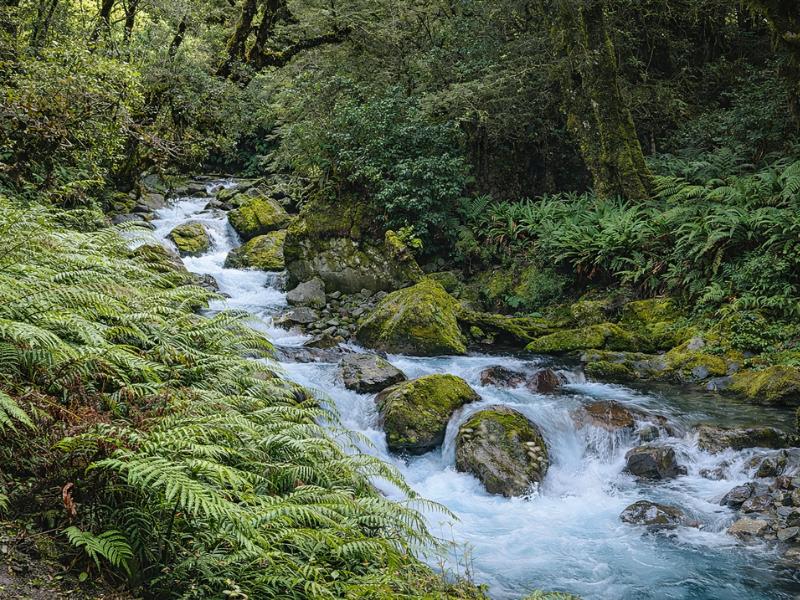
The winter caveat matters. Chains are required to be carried on the Milford Road from May onward, and rental companies supply and fit them on request. Arrange this when you collect the vehicle rather than discovering the requirement at a checkpoint.
Is It Safe To Drive From Te Anau To Milford Sound?
Yes, with normal alpine caution. Accident rates are not unusually high, and the road is engineered for the traffic it carries. Most incidents involve drivers stopping in unsafe places, driving on the wrong side after a photo stop, or misjudging the descent from the tunnel.
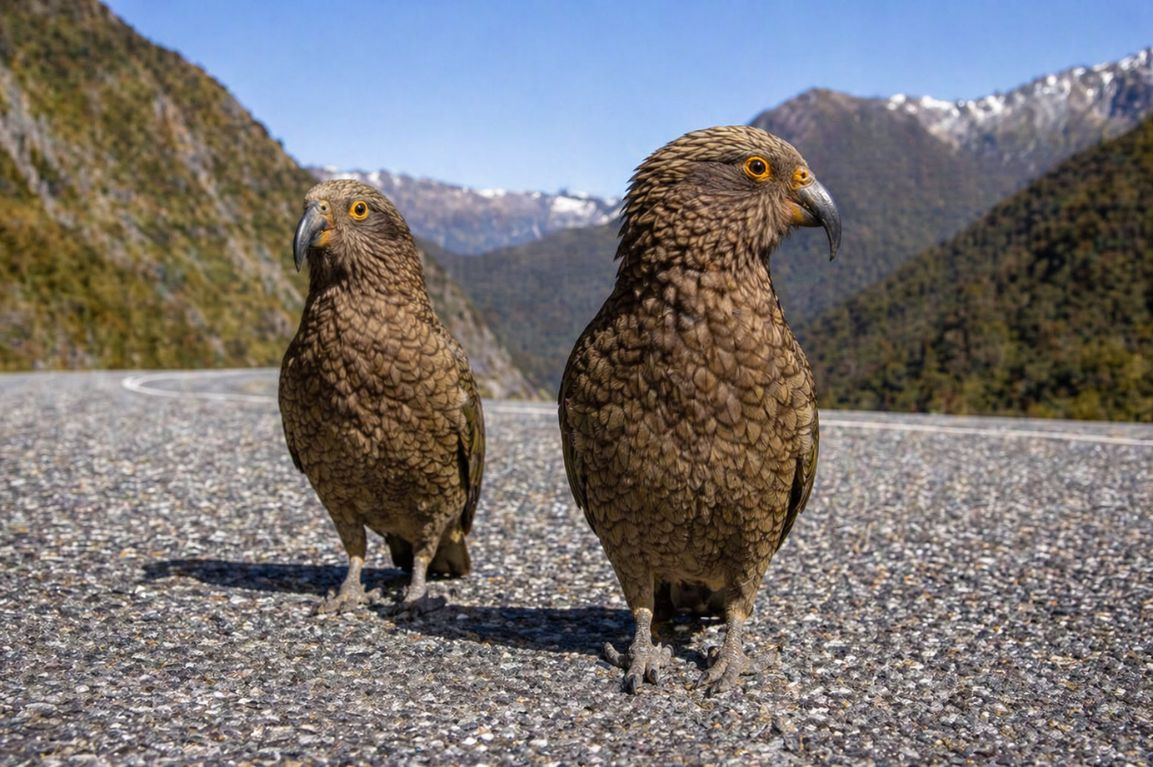
The specific hazards worth naming: kea around the tunnel that will damage a parked car and distract drivers, tour coaches on tight bends, ice on the shaded descent in the morning, and visitors unfamiliar with driving on the left. Pull over only in marked areas.
How Long Should You Allow?
Two hours from Te Anau and four from Queenstown for the driving alone, plus at least an hour and a half for stops, plus the tunnel wait. If your cruise departs at noon, leaving Queenstown at 7am is not a comfortable cushion.
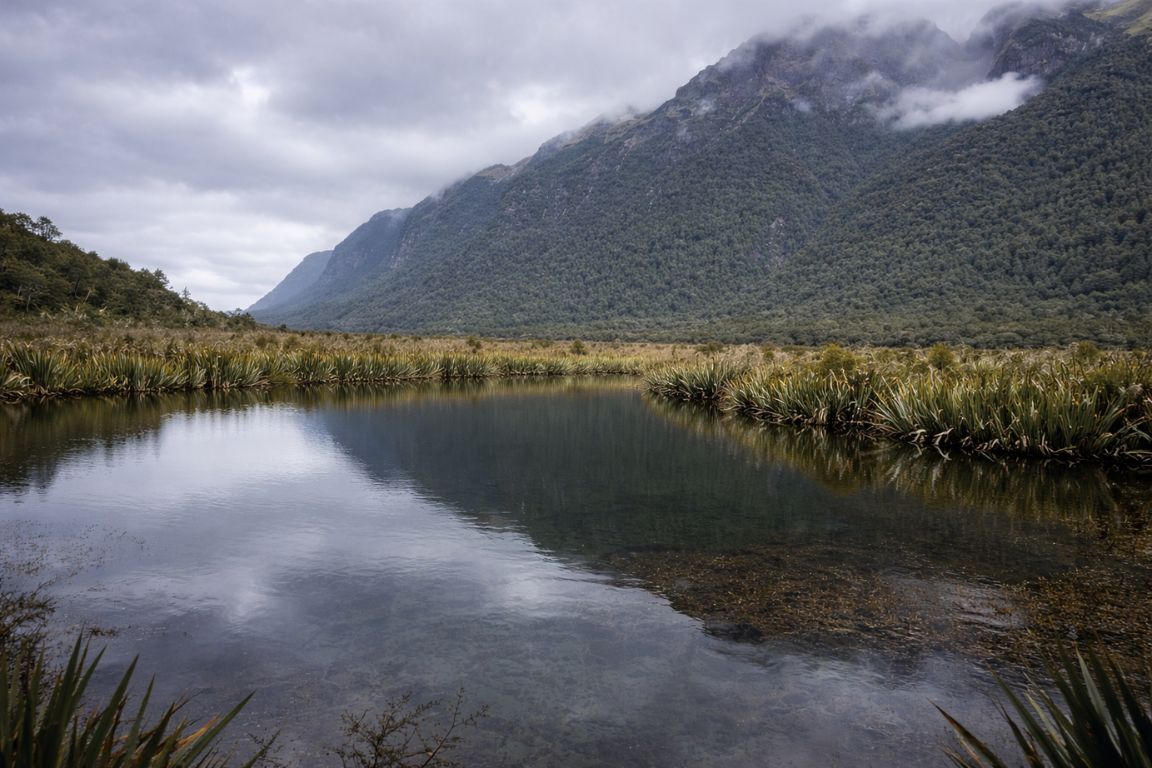
The stops are the part people forget to budget. Mirror Lakes, Monkey Creek, the Eglinton Valley and The Chasm are all worth the time and all take some. Driving straight past them to make a cruise defeats the purpose of self-driving in the first place.
Is The Drive Worth Doing At All?
The road is a genuine attraction rather than a transfer, and many visitors rate the valley scenery as highly as the fiord. Whether you should drive it yourself is a different question from whether it is worth seeing.
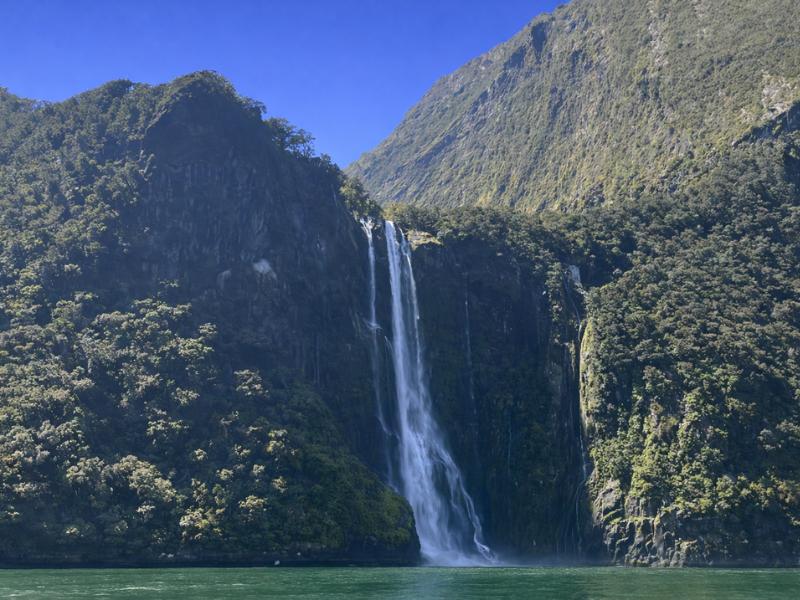
Driving yourself gives you control of the stops and the timing. What it costs you is the ability to look at anything while you are moving, four hours of concentration each way from Queenstown, and any margin for winter conditions. A coach with a glass roof hands you the scenery and the driving problem at once.
The honest split: if you are based in Te Anau and confident, drive it. If you are coming from Queenstown, particularly in winter or with one shot at the weather, a guided day from Queenstown removes the part of the day most likely to go wrong.
What Does The Drive Look Like In Winter?
Genuinely different. Snow chains must be carried from May, avalanche risk closes the road periodically, the descent from the Homer Tunnel holds ice in the morning, and daylight is short enough that a late start means driving one leg in the dark.
| Winter factor | What it means |
|---|---|
| Chains | Must be carried from May; rental firms supply and fit them |
| Avalanche closures | The road can close at short notice; check before leaving Te Anau |
| Ice | Worst on the shaded descent west of the tunnel, early morning |
| Daylight | Short; plan to be off the road before dark |
| Traffic | Much lighter, which helps |
None of this makes winter a bad time to visit. The fiord is quieter, the peaks carry snow and the clear spells between fronts are often the most settled of the year. It does mean the drive stops being incidental and becomes the part of the day that needs attention.
What Are The Actual Accident Risks?
Not the road itself. The recurring causes are stopping in unsafe places for photographs, pulling out on the wrong side after a stop, fatigue on the return leg, and misjudging the tunnel descent. All four are driver behaviour rather than road engineering.
The wrong-side risk is worth naming because it affects visitors specifically. After twenty minutes parked at a viewpoint, a driver used to right-hand traffic can rejoin on the wrong side without thinking, and the Milford Road has long straights where that goes unnoticed for a while.
Fatigue is the other one. The return leg from Milford to Queenstown starts after a full day and covers four hours. That is when people stop concentrating, and it is the strongest single argument for the guided option on a Queenstown-based trip.
How Does The Tunnel Wait Work?
Traffic lights alternate direction through the single lane during the busy season, with waits commonly ten to twenty minutes each way. Outside the season the lights may be off and the tunnel operates on give-way, which requires more attention rather than less.
Build the wait into your timing in both directions. A cruise departure that assumed no tunnel delay is the most common reason people arrive at the terminal at a run.
Is It Better To Drive Or Be Driven?
Drive if you are based in Te Anau, confident and want control of the stops. Be driven if you are coming from Queenstown, travelling in winter, or want to look at the scenery rather than the road for eight hours.
| Self-drive | Coach | |
|---|---|---|
| Control of stops | Total | Fixed itinerary |
| Seeing the scenery | Driver sees the road | Everyone sees the valley |
| Winter conditions | Your problem | Handled by a professional |
| Cost | Fuel and parking | Higher, includes the cruise |
| Fatigue on the return | Real | None |
Can You Keep The Stops Without Keeping The Driving? From Te Anau, this nine-hour small-group tour keeps Milford Road walks and a cruise in the itinerary while a local guide handles the transport.
Scheduled dates load here. Confirm availability and final price on Viator.
Viator scheduled departures, not confirmed inventory for your party. Select the same date on Viator to confirm availability and final price.
This recommendation does not fit your selected itinerary. Adjust your choices at the end to see other options.