Do Cruise Ships Go Into Milford Sound?
Ocean cruise itineraries around New Zealand regularly list Milford Sound, which raises a reasonable question about what that actually means when there is no port, no wharf for a large ship and no town.
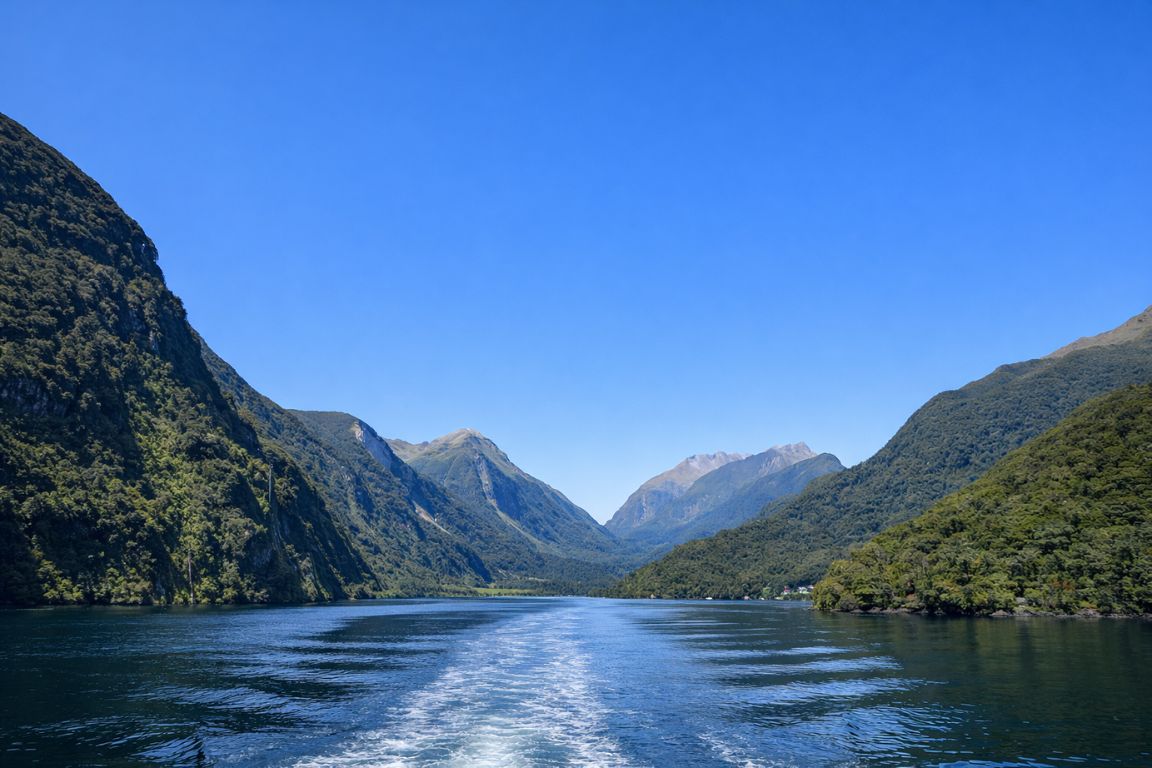
Yes, large cruise ships sail into Milford Sound as a scenic transit. They enter from the Tasman Sea, cruise up the fiord, turn and leave. Passengers stay on board throughout, because there is no facility to land a ship's worth of people and nowhere for them to go.
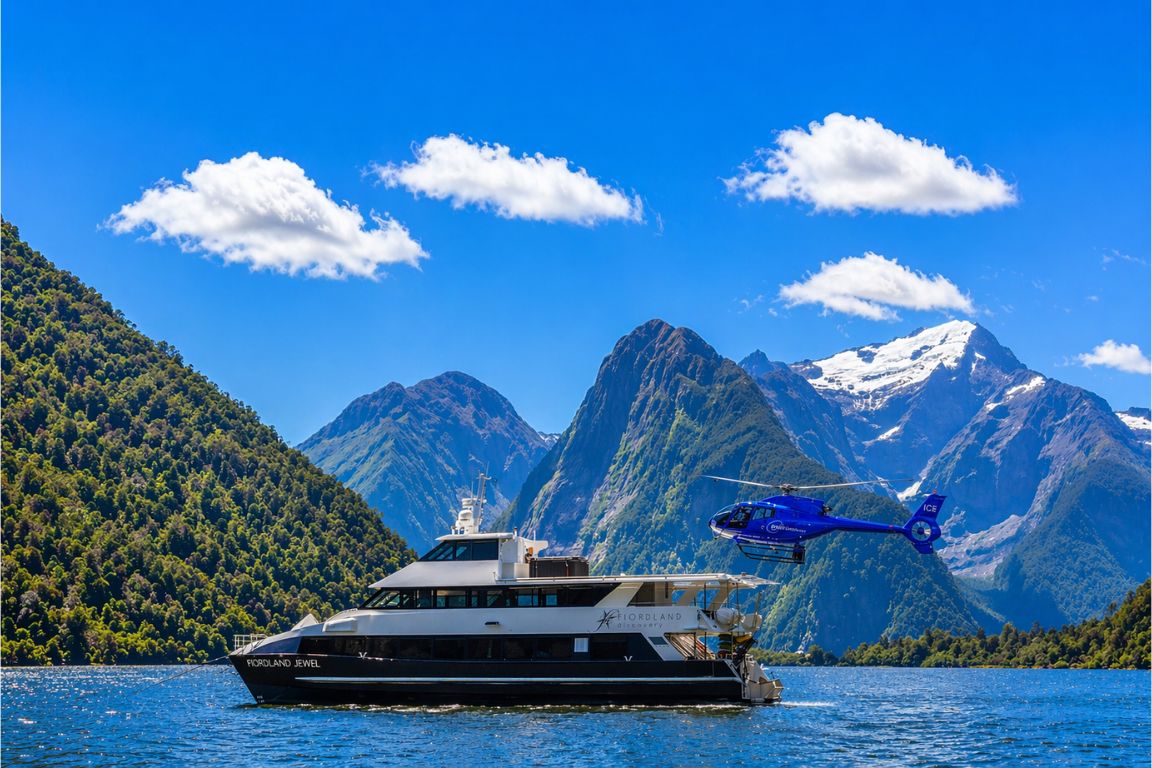
A local cruise can add the close-to-water perspective that an ocean ship transit cannot provide, with options suited to travelers starting in Milford Sound, Queenstown or Te Anau.
Your Milford Plan
- Ocean ships enter Milford Sound for scenic cruising but do not disembark passengers.
- A local cruise offers a lower viewing angle and dedicated time within the fiord.
- Check your actual travel date and starting point before arranging transport or accommodation.
On an itinerary this appears as a scenic cruising day rather than a port call, which is an important distinction if you are choosing a voyage partly to see the fiord.
Why Can't Cruise Ship Passengers Get Off?
Because Milford Sound has no cruise terminal and no town. The wharf serves the small tour vessels that operate on the fiord. Beyond it there is a car park, an airstrip and a lodge, all inside a national park with strict limits on development.
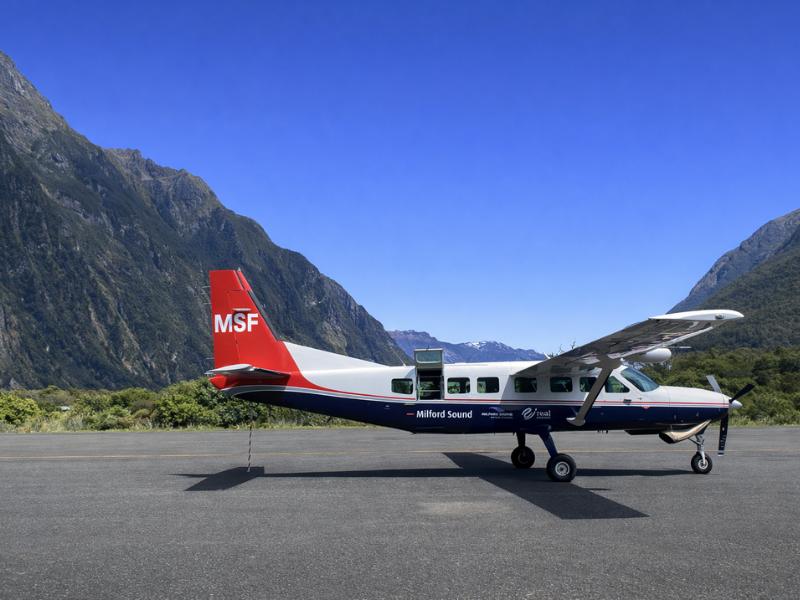
Even if landing were possible, there would be nowhere to put several thousand people. The infrastructure supports day visitors arriving by road in a steady flow, not a single ship-sized arrival.
What Does A Ship Transit Actually Show You?
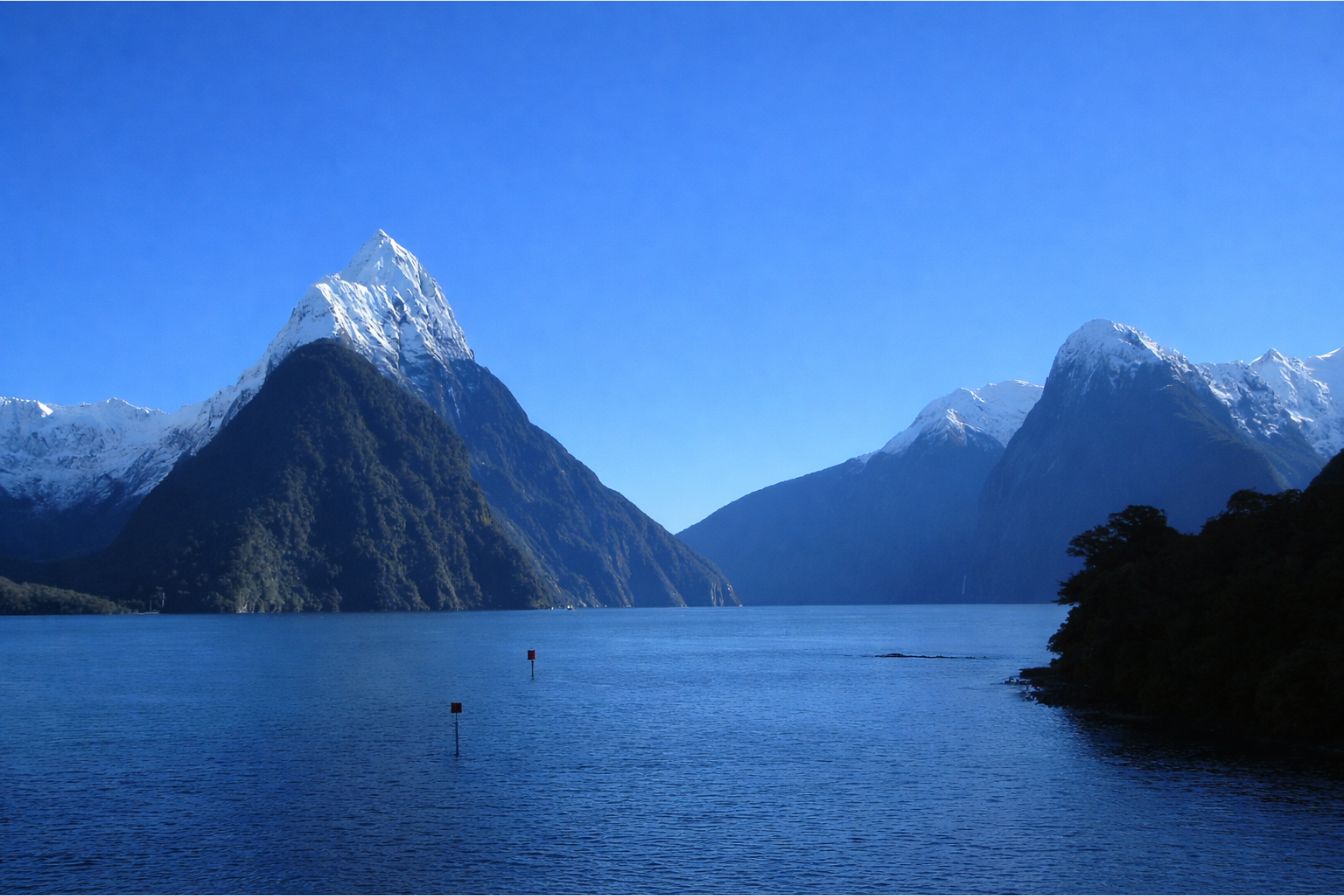
The full length of the fiord from a high deck, usually early in the morning. You see Mitre Peak, the walls and the permanent waterfalls from a distance. What you miss is everything that requires manoeuvring: the close approach to Stirling Falls and the seal haul-outs.
| Ocean cruise transit | Local cruise or tour | |
|---|---|---|
| Time in the fiord | Typically an hour or two of scenic cruising | Around two hours, plus time ashore |
| Goes under the waterfalls | No | Yes, most operators nose in close |
| Viewing height | Many decks above the water | Close to the waterline |
| Disembark | No | Yes |
| Weather dependency | Can be cancelled for conditions at the entrance | Runs in almost all weather |
Can A Ship Transit Be Cancelled?
Yes, and it happens. Entry depends on conditions at the fiord mouth and on the master's judgment, so a scheduled scenic cruising day can be dropped or substituted at short notice. It is not a guaranteed part of an itinerary.
This is a real consideration for anyone booking a voyage specifically for Milford Sound. A day trip by road or air can also be affected by weather, but a cruise is far less likely to be cancelled outright than a large ship's entry into a narrow fiord.
Is Seeing It From A Big Ship Enough?
It gives you the shape of the place but not the scale. From a high deck the walls read as scenery. From a small boat at the waterline, with spray coming over the bow at Stirling Falls, they read as something else entirely.
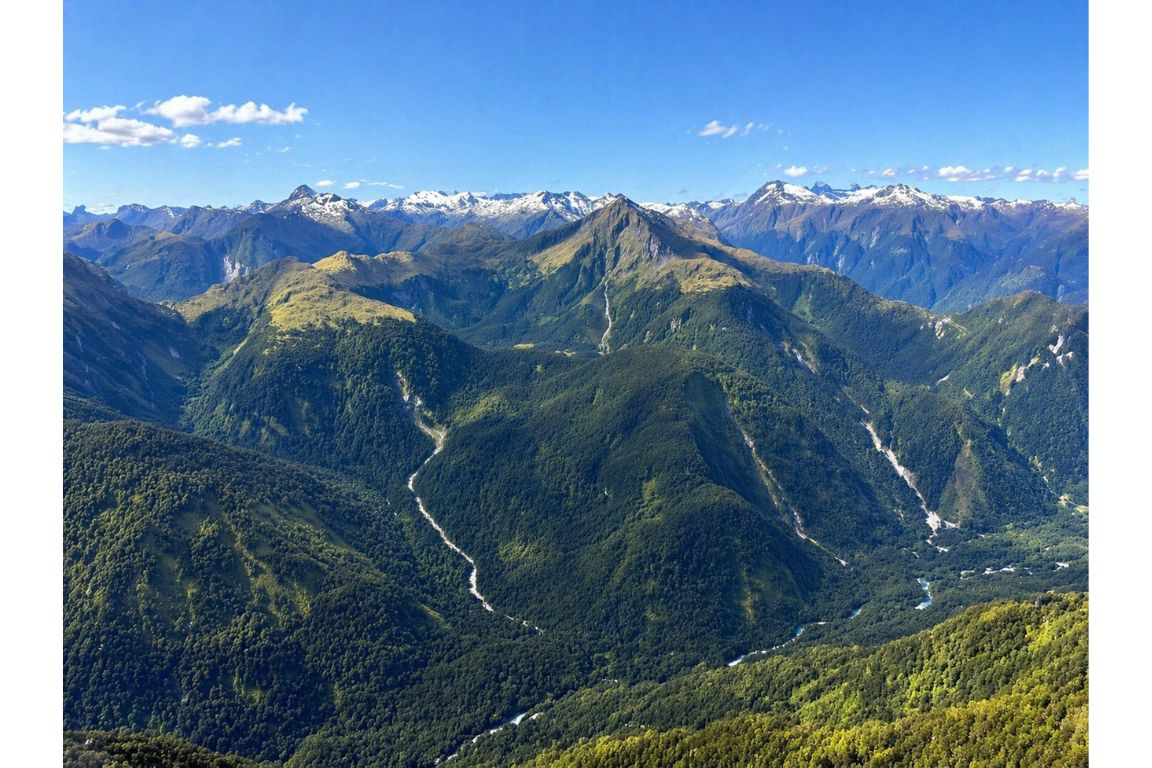
Anyone who has transited on a large ship and later done a local cruise generally reports that they are different experiences rather than the same one at different prices. If your itinerary allows both, the local trip adds what the transit cannot.
Do The Small Cruise Boats Share The Fiord With The Ships?
Occasionally, and the local vessels work around them. Large ship transits are usually early in the day, and vessel numbers on the fiord are capped under the national park concession system, so the water does not get congested the way the car park does.
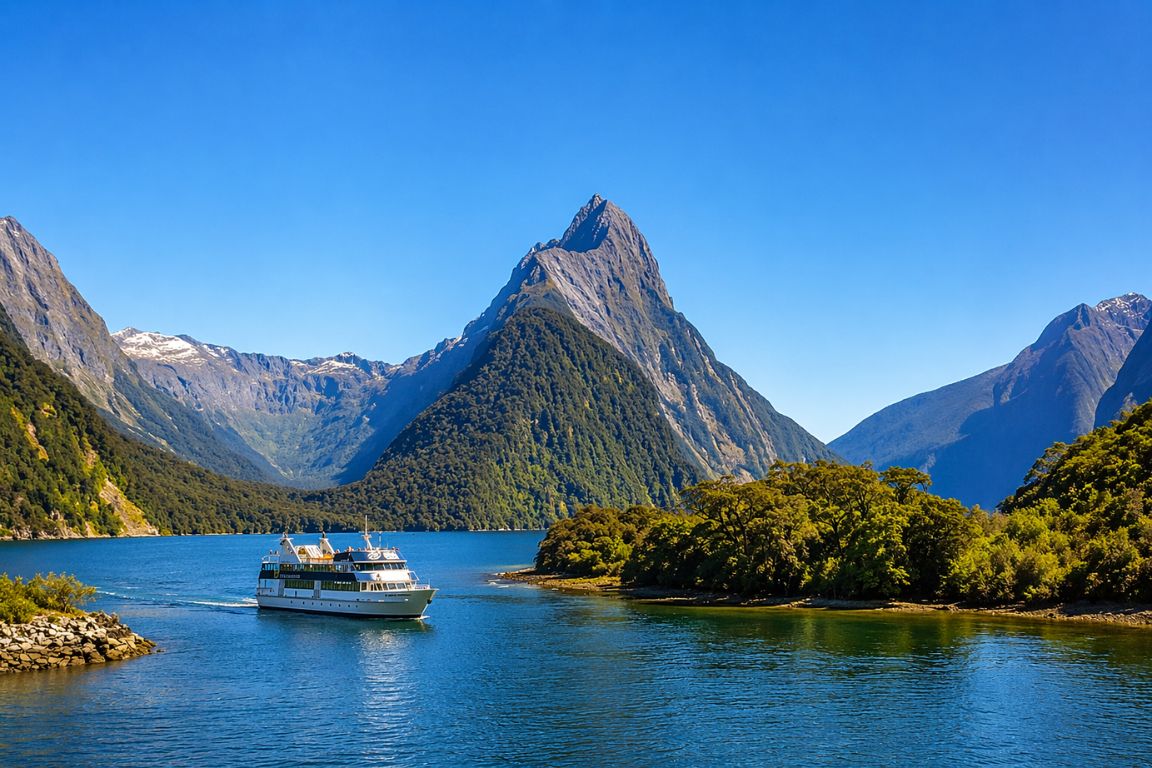
Seeing an ocean liner in the fiord is itself a useful lesson in scale: a ship that dominates any harbour looks small against walls that rise over a kilometre on both sides.
Which Ships Come, And When?
Ocean cruise ships on New Zealand and Australasian itineraries, mostly in the southern summer, typically transiting early in the day. Fiordland usually appears on those itineraries as a scenic cruising block covering Milford, Doubtful and Dusky Sounds rather than a single stop.
That multi-fiord shape is worth knowing if you are choosing a voyage. A ship may enter one, two or all three depending on conditions, and the Milford leg is the one most likely to be advertised because it is the recognisable name.
How Does A Ship Transit Affect A Day Cruise?
Very little. Large ships transit early and do not use the wharf, and vessel numbers on the fiord are capped anyway, so the small boats work around them. If anything, a ship in the fiord gives day passengers a striking sense of scale.
The terminal is unaffected, since nobody disembarks. The busy period at Milford is still driven by the road, not the sea.
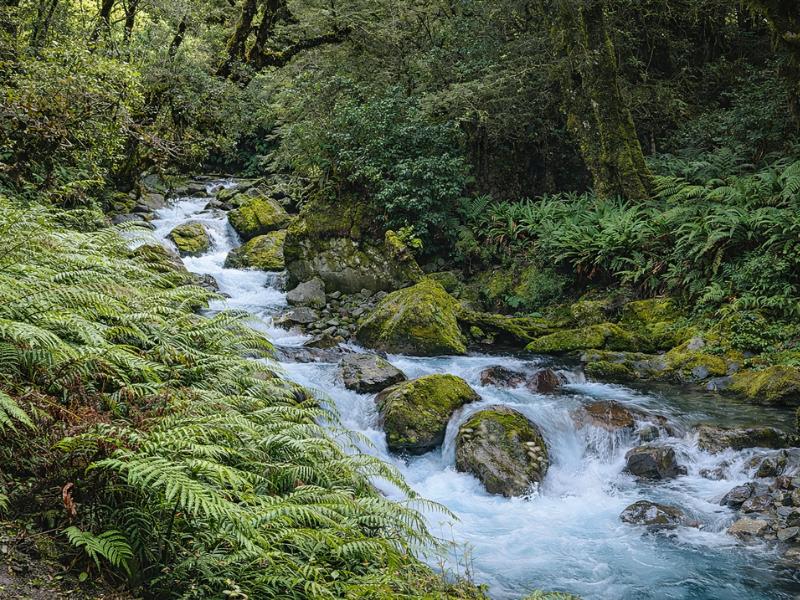
Turn The Road Journey Into Part Of The Day This nine-hour Te Anau tour includes small-group transport, a small-vessel cruise, nature walks along Milford Road and a picnic lunch before returning to Te Anau.
Scheduled dates load here. Confirm availability and final price on Viator.
Viator scheduled departures, not confirmed inventory for your party. Select the same date on Viator to confirm availability and final price.
This recommendation does not fit your selected itinerary. Adjust your choices at the end to see other options.
Is A Scenic Cruising Day Worth Choosing A Voyage For?
Only if you accept it may not happen. Entry depends on conditions at the fiord mouth and the master's judgment, and a scheduled scenic cruising day can be dropped without compensation because nothing was technically missed.
| Ship transit | Booking a day trip yourself | |
|---|---|---|
| Certainty | Weather-dependent, occasionally skipped | Cruises run in almost all conditions |
| Close approaches | None | Under Stirling Falls, near the seals |
| Time in the fiord | An hour or two of transit | Around two hours, plus the road |
| Cost | Included in the fare | Separate |
If your ship calls at a port with a viable excursion inland, the honest answer is that a small-boat cruise on the fiord is a different and better experience than watching it from twelve decks up. Whether that is practical depends entirely on where the ship berths.