Is A Milford Sound Cruise Worth The Money?
Having driven four hours to reach a fiord, the question is not really whether to take a cruise. It is which one, and whether the expensive version delivers anything the cheap one does not.
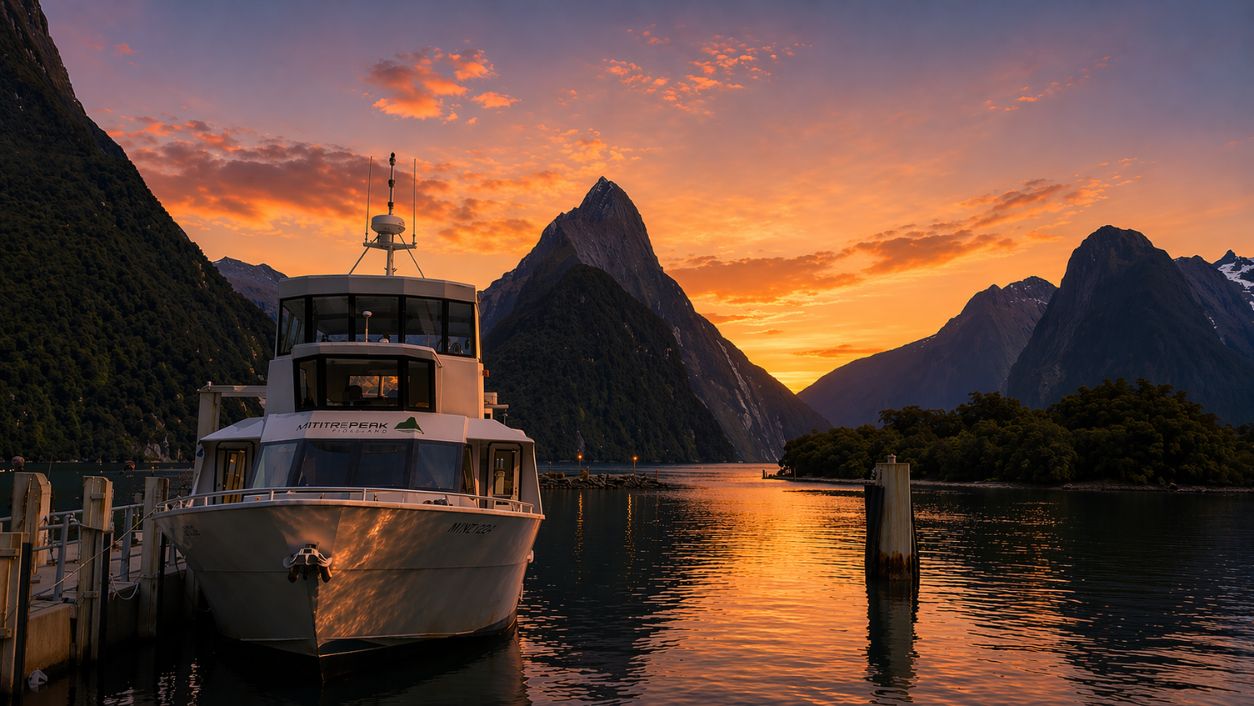
For almost everyone who has travelled to Milford Sound, yes. The fiord is a body of water between vertical walls, and the viewpoints from land are limited. A cruise is the only practical way to reach Stirling Falls, the seal colonies and the open Tasman Sea end.
Match the cruise to how you reach the fiord, how much deck space you want, and whether the road or a flight should be bundled into the same day.
Your Milford Plan
- Choose a boutique terminal sailing if staying outside and moving around the deck matters more than a cabin window.
- If you start in Queenstown, treat road time as part of the cost and use coordinated coach or flight plans when self-drive margin is tight.
- Add transport, parking, food and the cruise in one currency before deciding which format is better value.
The more useful question is which cruise. Prices for a standard scenic trip on the same fiord vary considerably, and what changes is the size of the boat, the guiding, the duration and whether food is included, rather than the water itself.
What Do You Actually Get For The Money?
Roughly two hours on the water, covering the full 16 kilometre length of the fiord to the Tasman Sea and back, with a close approach to Stirling Falls and usually a stop near the seal haul-outs. Every operator covers essentially that route.
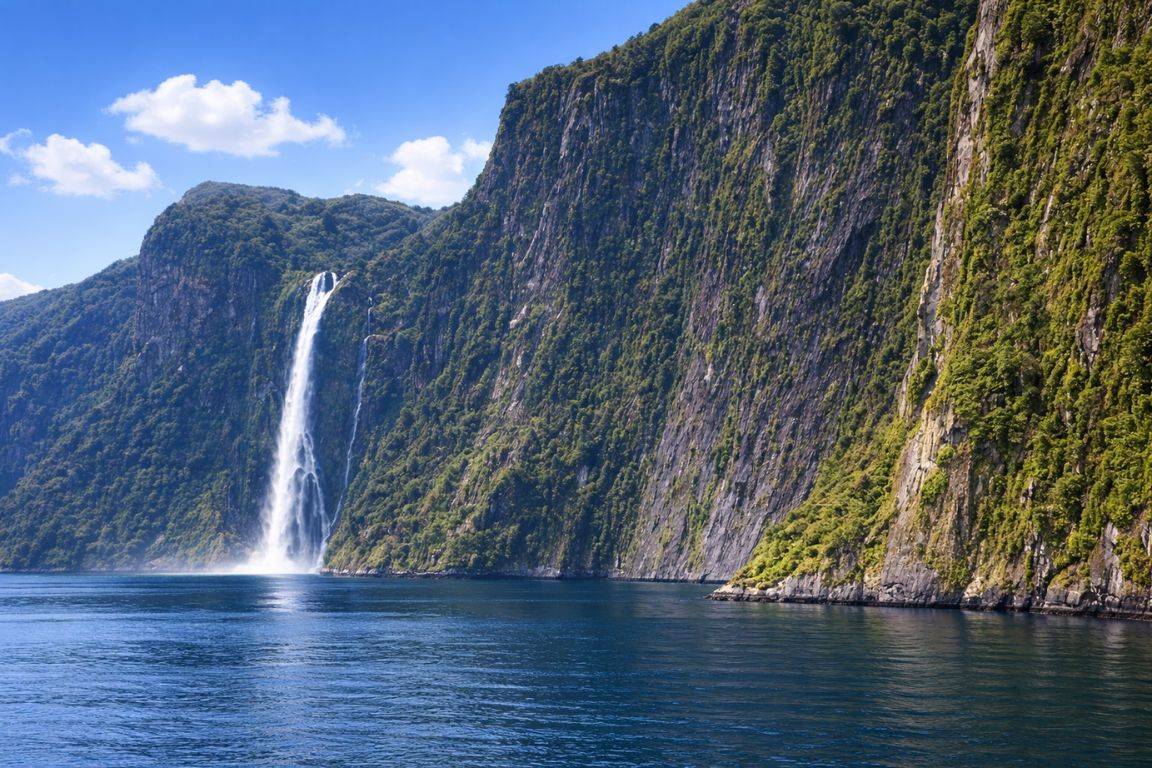
Because the route is shared, the differences are in the experience of being on the boat. A 150-passenger vessel and a small boutique boat see the same waterfall. One of them can hold position under it, and one of them has room on deck for everybody at once.
| What varies | Cheaper end | Higher end |
|---|---|---|
| Passenger numbers | Up to 150 or more | Often under 75 |
| Deck space per person | Contested at the rail | Room to move |
| Commentary | Skipper over a PA | Dedicated nature guide |
| Duration | Around 1 hour 45 | Up to 2 hours 15 or more |
| Food | Cafe on board | Often included |
Is The Expensive Cruise Better?
It is better at specific things: fewer people, more deck access, a guide who knows the ecology rather than a script, and more time on the water. Whether those are worth the difference depends on what you came for.
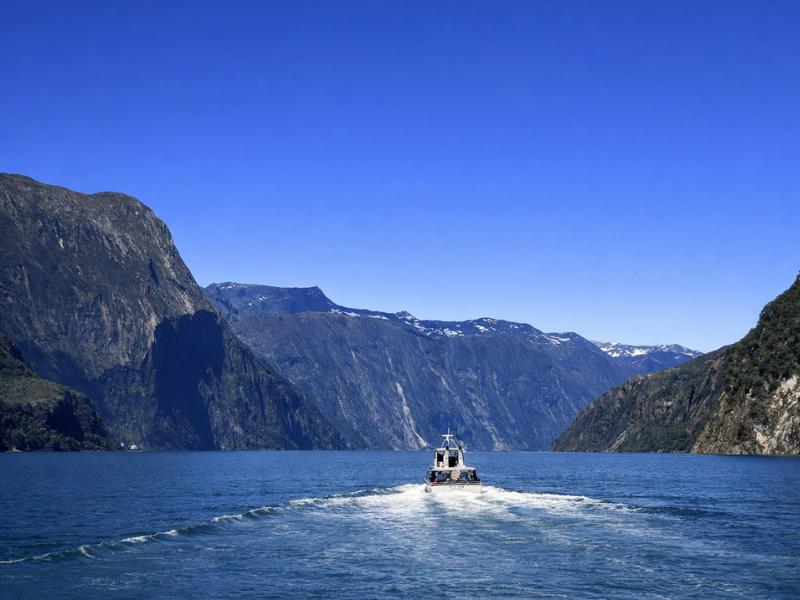
If you want to photograph the fiord, stand outside for the whole trip and get close under the falls, a small boat is a genuinely different product and worth paying for. If you want to see Milford Sound once, on a budget, from a warm cabin with a window, the standard cruise delivers that completely.
Capacity policy matters more than headline capacity. Some operators cap vessels well below their physical limit as a matter of policy, which is why a boat rated for 400 might sail with 150. Operators who advertise those caps are signalling something real about how they run the trip.
When Is A Cruise Not Worth It?
If you are only in the region for a few hours and would be rushing, or if severe weather has closed in so completely that visibility is near zero. Even then, a wet cruise is usually better than no cruise, because rain is what makes the waterfalls run.
The genuine waste is booking a cruise you cannot reach in time. A midday departure with a four-hour drive from Queenstown and no margin is a plan that fails on a tunnel delay. Book realistically or let a coach from Queenstown handle the timing.
Does A Longer Cruise Justify The Extra?
A cruise of two hours fifteen against one hour forty-five is not just thirty extra minutes; it changes the pace. The longer trips linger at the falls and at the fiord mouth instead of turning immediately, which is where the difference is felt.
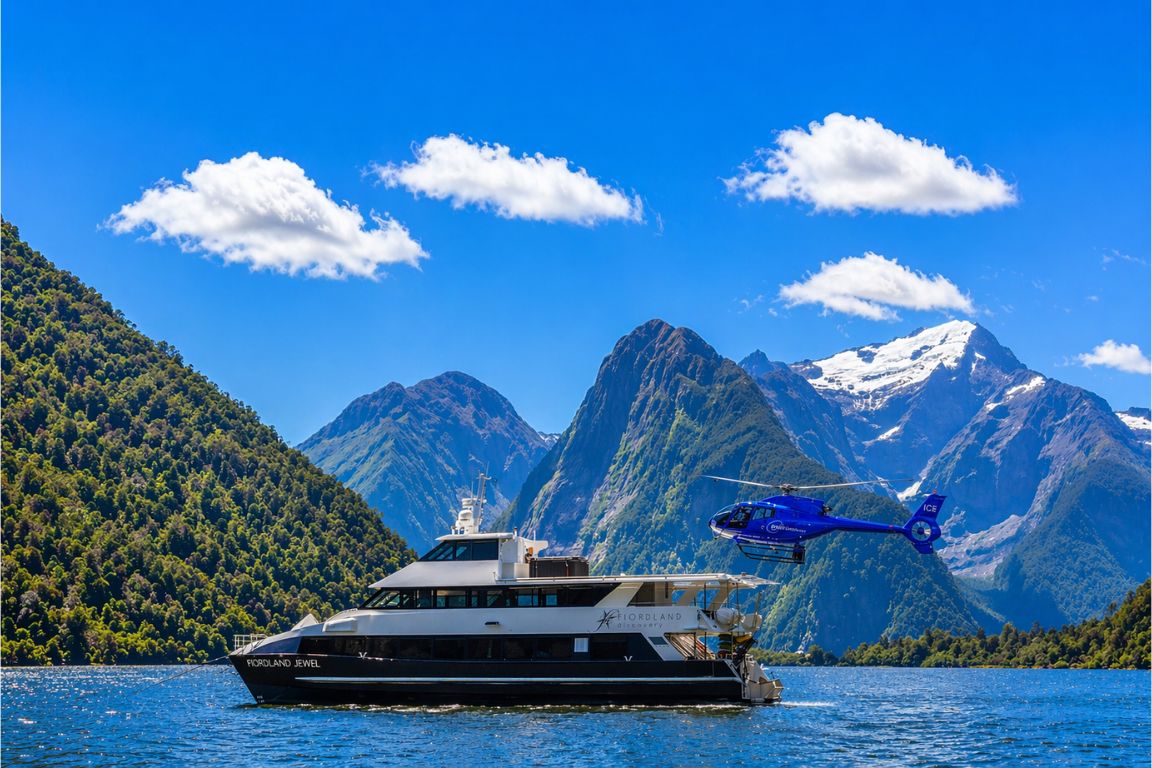
For a one-off visit to a place this far from anywhere, buying the unhurried version is usually the better call. The marginal cost is small relative to what it took to get there.
What Is The Best Value Overall?
A small-boat cruise in a morning departure. You avoid the midday convergence of coaches, you get the deck access that makes the trip physical rather than scenic, and morning water is generally calmer and better for reflections.
If cost is the deciding factor, the cheapest standard cruise still shows you the fiord properly. Nobody who takes it comes away feeling they missed Milford Sound. They just share the rail with more people.
What Is The Cheapest Legitimate Way To Do It?
Drive yourself from Te Anau, take a standard scenic cruise on a larger vessel, travel in shoulder season and bring your own food. That combination roughly halves the cost of the same day arranged from Queenstown with extras added.
| Decision | Cheaper option | What you give up |
|---|---|---|
| Base | Te Anau over Queenstown | Choice of restaurants and other activities |
| Transport | Own car over coach | Someone else driving; scenery while moving |
| Vessel | Large over boutique | Deck space, a guide, the close waterfall approach |
| Season | Shoulder over peak | Warmest weather and longest daylight |
| Food | Bring your own | Nothing worth mentioning |
Is The Small-boat Premium Worth It?
If photography or being outside matters, yes. Small vessels get closer under Stirling Falls, hold position longer and have deck room for everyone at once instead of a contested rail. If you intend to sit inside and watch through glass, it is not.
Capacity policy is a better signal than headline price. Some operators cap vessels well below their physical limit deliberately, and the ones who advertise those caps are telling you something real about how the trip runs.
What About The Flight Upgrade?
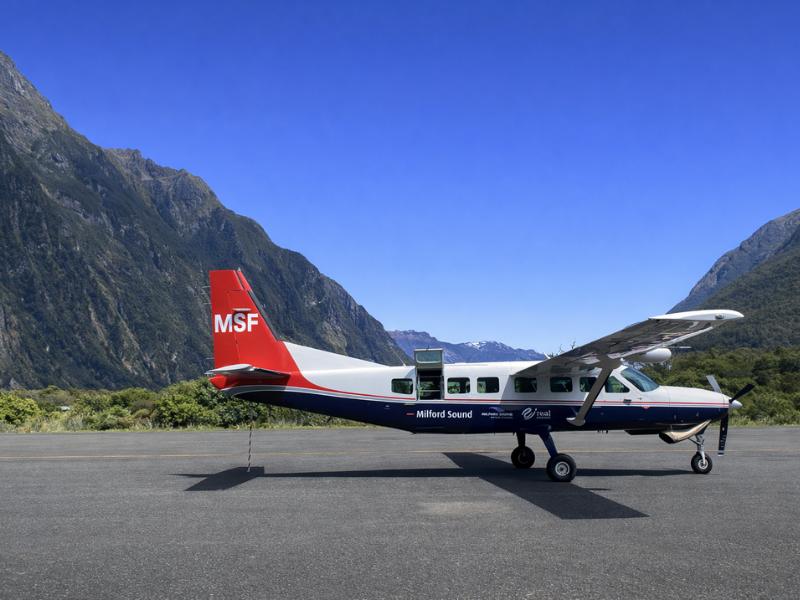
A different purchase entirely. You are buying back seven or eight hours of a Queenstown day plus an aerial view of country no road reaches. The cruise in the middle is the same product either way.
On a tight South Island schedule the time is often worth more than the money. From Te Anau the argument weakens sharply, because the drive is only two hours and the flight saves far less.
When Would You Genuinely Regret Paying?
A midday departure from Queenstown in peak summer with no margin, arriving at the busiest hour with low cloud on the tops. That combination is behind almost every negative review, and every element of it is a scheduling choice rather than a fact about the fiord.
Change one variable and the day improves. Take a morning departure, avoid January, or base yourself two hours closer, and the same money buys a noticeably better experience.